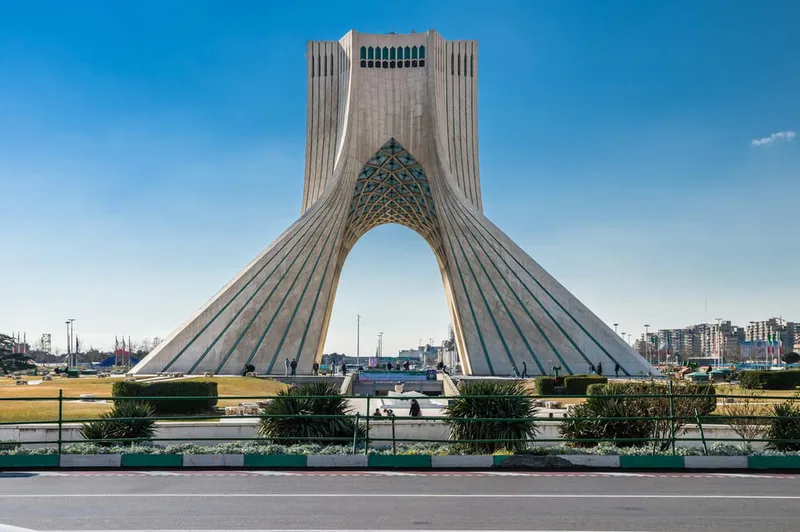
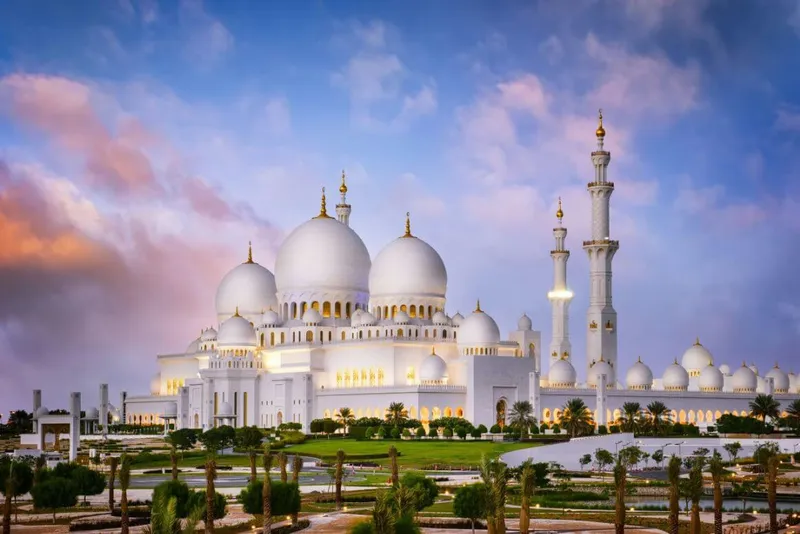
⚠️ Travel Advisory Notice
The security situation in Iran remains volatile, and several governments advise against travel to all or parts of the country. Before planning any trip, check your government’s official travel advice:
- 🇬🇧 UK: gov.uk/foreign-travel-advice
- 🇺🇸 US: travel.state.gov
- 🇦🇺 Australia: smartraveller.gov.au
- 🇨🇦 Canada: travel.gc.ca
This article is maintained for reference and future planning. Always confirm current conditions before booking.
Iran offers deserts, stunning mosques, the ancient ruins of Persepolis, and much more. It’s a remarkable destination, made even more memorable by its exceptionally friendly people.
Less friendly is the Iranian government itself—an authoritarian regime accused of human rights abuses. The country has also faced terrorist incidents, border disputes, and, more recently, tensions with the West.
Given all this, it’s natural to ask: “Is Iran safe to visit?”
This guide aims to show how Iran can be accessible to most travelers. We focus on smart travel, and so does this advice.
We’ll cover a wide range of topics—from solo female safety to driving in Iran—and pay special attention to whether Iran is safe to visit right now. Let’s dive in.
How Safe Is Iran? (Our Take)
Ancient civilizations, surprisingly good food, and warm, hospitable people. Backpacking Iran may be off the radar, but it’s utterly amazing.
And as you likely suspected, Iran isn’t without its problems.
Tell people you’re going to Iran and you’ll raise a few eyebrows.
Tourism plummeted after the Iranian Revolution, then fell even further after the Iran-Iraq War in the 1980s. It’s now recovering.
Surprisingly, Iran is very safe. Crime levels are very low.
Earthquakes are a risk, but that’s comparable to many parts of the world.
Most importantly, remember that Iran is a theocracy governed by Islamic laws. Travelers must be culturally sensitive to many things—we’ll address those.
There are no-go areas in Iran. It borders Iraq.
Protests occurred in June 2018 at the Grand Bazaar in Tehran. Being near demonstrations is dangerous anywhere, especially abroad. Don’t let curiosity put you at risk.
Terrorist attacks have happened in recent years, but they are less frequent than in the United States, the United Kingdom, and France.
Is Iran Safe to Visit Right Now?
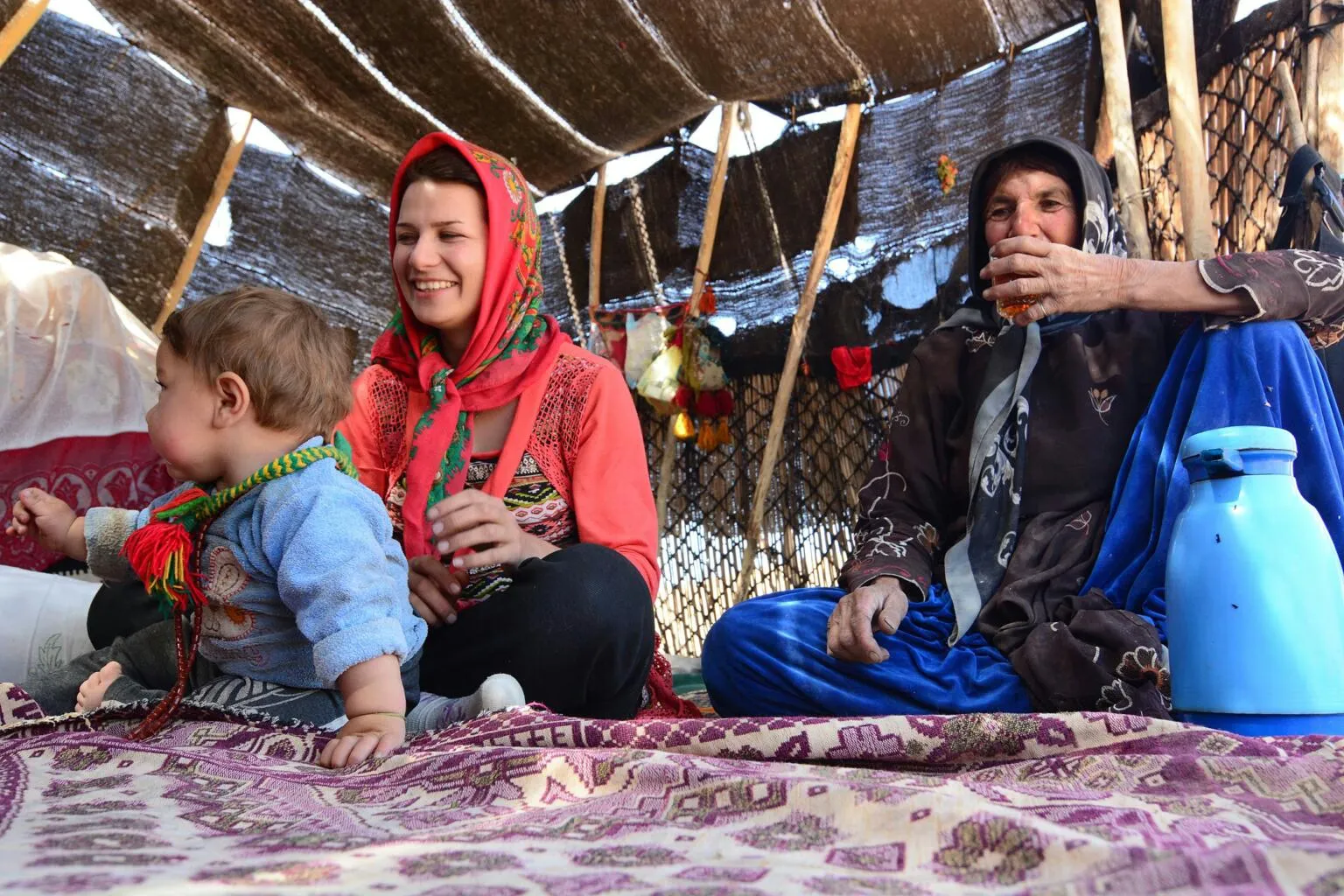
Come hang out with Qashghai Nomads in Iran!
We said tourism is on the rise, and we weren’t joking. That’s 6 million tourists in 2017, up from 3.6 million in 2011—a lot for a country people are so paranoid about.
The most-cited issues are human rights, drug trafficking, and human trafficking. We can’t say “all is well in Iran,” and we don’t want to diminish the daily challenges Iranian people face that tourists won’t experience.
We’re speaking only about travelers. As a visitor, you get a unique perspective—the country’s best side, if you will. It’s full of sights, food, history, and tradition.
The Iranian government (despite its flaws) has taken steps to ensure tourists have this experience. There are very helpful tourist police who speak English in cities such as Shiraz, Mashhad, and Esfahan. Tourism is growing and helping the country, so crime against foreigners is very rare.
The most you’ll encounter is petty theft in a crowded bazaar.
So Iran is safe to visit right now. In fact, people will be super happy to see you. You’ll be invited to homes and treated warmly.
Safest Places in Iran
When choosing where to stay in Iran, research and caution are essential. You don’t want to end up in a sketchy area and ruin your trip. Below are the safest areas to visit.
Tehran
Tehran is a massive, sprawling city. Its bad reputation has led many travelers to avoid this Middle Eastern megacity for decades. While not perfect, Tehran has improved vastly in recent years and is now considered one of the up-and-coming cultural capitals of the world.
The capital is also one of the best places for backpackers to party. A hub for the young and beautiful, it’s a place of risky fashion, underground culture, and fascinating history. From food and museums to art galleries and cultural institutions, Tehran is enchanting. There are also some great hostels for backpackers.
Shiraz
The heartland of Persian culture for over 2,000 years, Shiraz is famed for its scholars, poets, nightingales, and wine. Home to the impressive Arg-e Karim Khan fortress, it’s best explored on foot. Many tourists come to Iran solely for this city, and it’s easy to see why.
Since Shiraz is a tourist hub, you’ll see a significant police presence. Don’t be alarmed—they’re there to keep you safe. If you need help, don’t hesitate to approach them.
Kandovan
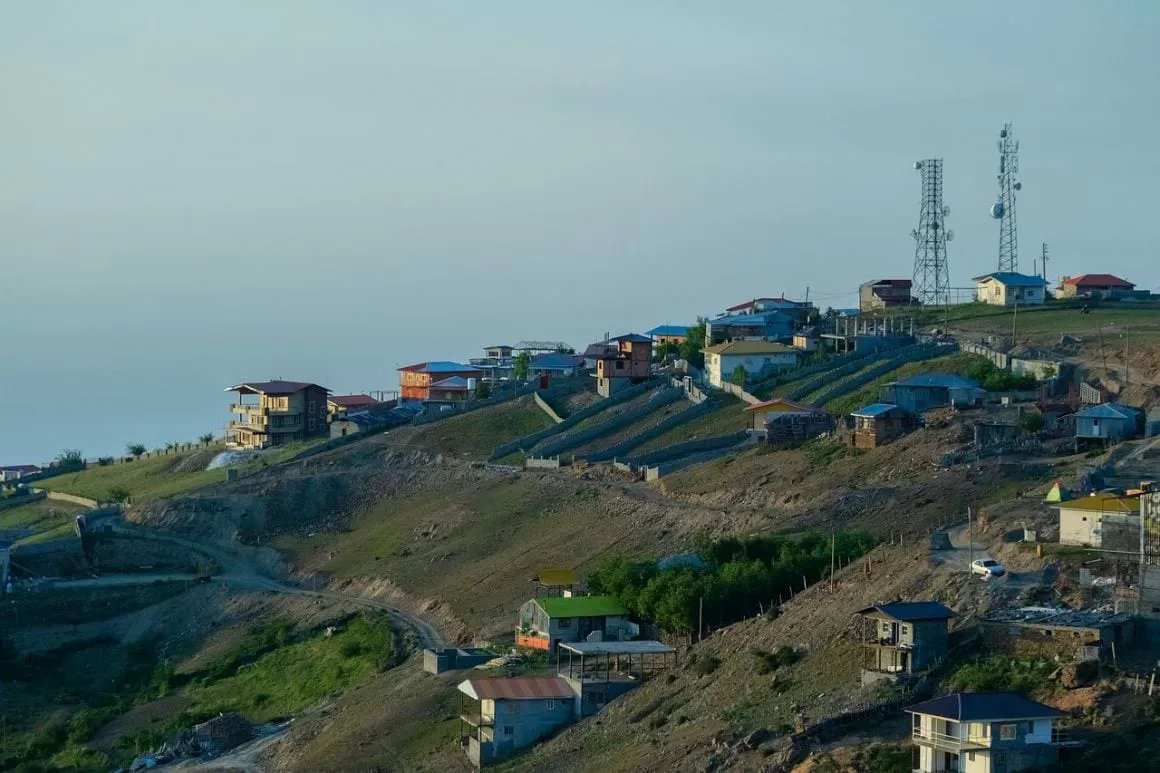
Often called Iran’s Cappadocia, Kandovan is known for its troglodyte dwellings and fairy chimneys. This ancient village draws many tourists, and Iran’s Kandovan is the only cave village worldwide where people still live in the caves—definitely worth a visit. A few houses offer basic accommodation, and there’s a plush hotel carved into the rock with in-room jacuzzis.
It’s incredible to see, especially at dusk when lights shine from the stone caves. While you might not want to live there, it’s a great experience and shouldn’t be missed on your Iran itinerary.
Places to Avoid in Iran
Not all places in Iran are safe. You need to be aware of your surroundings anywhere in the world, and Iran is no exception. To help you stay safe, here are areas to be more careful of:
- Any border region – best avoided. There may be tension, lots of military, and frankly, nothing to see. Stay away!
- The South East – closer to Afghanistan, offering little besides dull landscapes and risks.
- Sistan-Baluchistan – this province hosts a conflict between Kurds and Sunni extremists, which fortunately remains more contained than similar ethnic conflicts in the Middle East.
- Dark side streets – common sense: if it seems dodgy, avoid it!
Iran can be quite safe, but caution and research before you travel go a long way. To increase your safety, read our insider tips below. Stick to them and you won’t have a single issue.
23 Top Safety Tips for Traveling to Iran
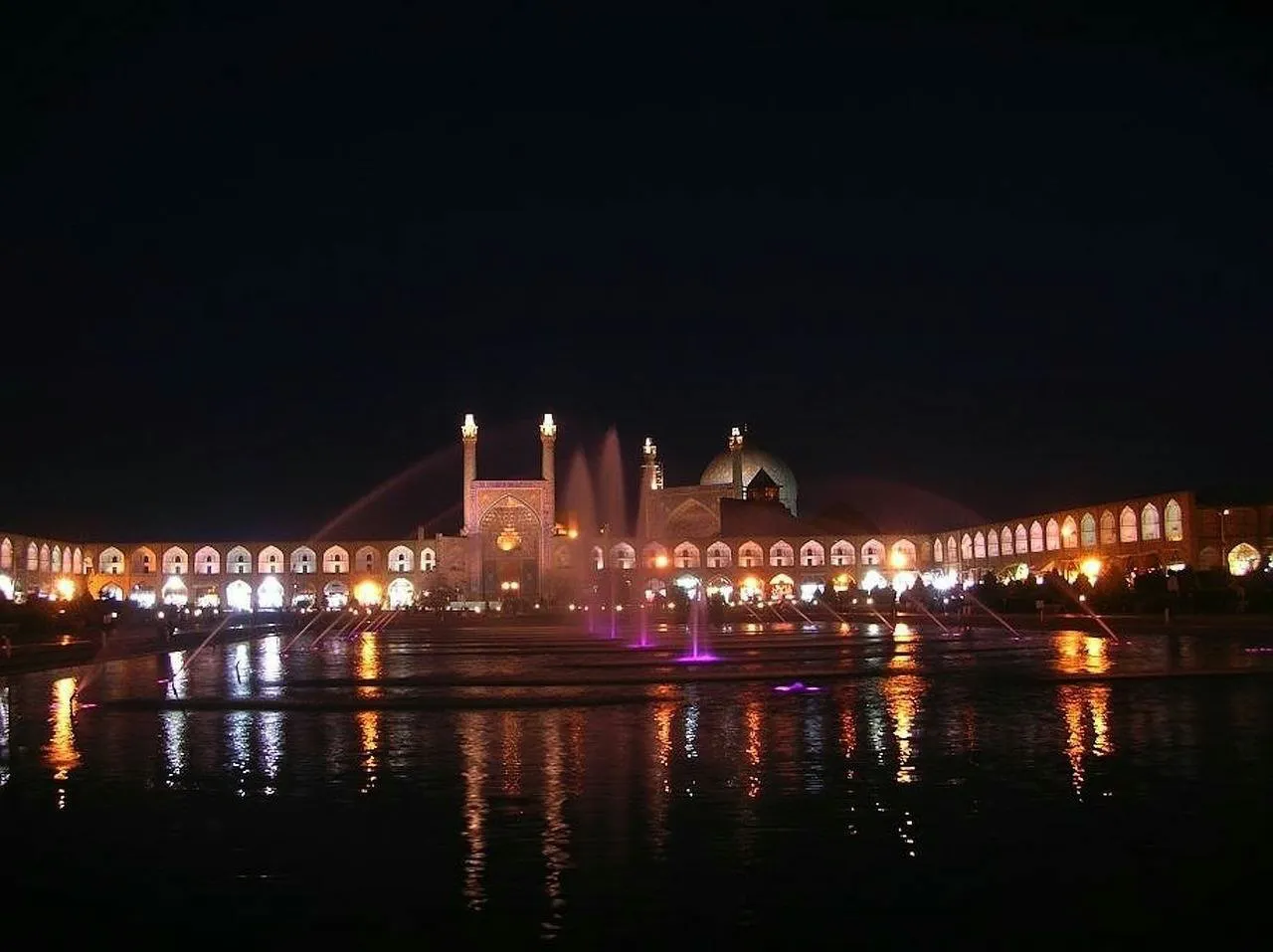
Iran isn’t on luxury travel lists yet, but that might change once word gets out.
While crime is low and people are friendly, there are special considerations. All travelers can take steps to improve safety. Here are our top tips.
- Don’t speak Arabic – Iranians are Persian and speak Farsi. Learn a few phrases! It will be appreciated.
- Carry your ID at all times – you must. Copies of your passport are acceptable.
- If asked, show photocopies of your passport – until you can confirm the police asking are genuine police.
- Get an Iranian Bank Card – non-Iranian cards aren’t accepted at ATMs or anywhere. You can’t transfer money into the country, period. The easiest and safest way to manage money is to arrange a card in advance with Mah Card. You’ll get a 40% discount on the already-reasonable commission with the code brokebackpacker.
- Make sure you have enough cash – plan ahead. Keep money and IDs hidden in a security belt.
- Protect yourself against street crime – there’s a hot trade in passports, so keep yours secure. Be vigilant!
- Be extra careful in big bazaars – crowded places where pickpockets lurk. Watch your surroundings; a money belt gives you an inaccessible cache of cash.
- Keep away from political demonstrations, big crowds, rallies – anywhere police are deployed. You shouldn’t be part of it anyway.
- Protests can occur on Friday after prayers – if you’re out at that time, get off the streets.
- Earthquakes happen all the time – know what to do when one occurs. It’s not Japan; buildings aren’t very earthquake-proof.
- During Ramadan, you can’t eat, drink or smoke in daylight hours in public – even foreigners.
- Dress appropriately – rules apply to tourists too. Modest clothing for everyone. Women must cover their heads. This is beginning to lighten, but we don’t recommend bending the rules.
- Pretend you’re married – if you’re an unmarried couple. Otherwise you can’t share a room (sex outside marriage is illegal).
- And on the subject – no homosexual behavior in public. Iran is far from considering gay rights. Any homosexual act carries the death penalty.
- Any media depicting ‘sexual relations’ are forbidden – don’t bring any in.
- So is a lot of Western media – DVDs, CDs, books. Some of it is illegal. There’s likely a black market for these items.
- Alcohol is illegal – no bar crawls from your hostel.
- Take care when snapping pics – even if you’re only near a military building, you might be seen as a spy. Even Tehran train station. Don’t argue if someone stops you and tells you to delete the picture(s). Just say you’re a tourist.
- And ask if you’re going to take a picture of anybody – just polite, isn’t it?
- Digital nomads, beware – using your laptop in public is apparently spy-like behavior.
- No drugs – foreigners have been executed for drug offenses in Iran.
- If you get arrested – you may not be allowed access to consular assistance or legal representation. Don’t get arrested!
- No-go areas are no-go for a reason – off the beaten track is not only suspicious in Iran but highly dangerous.
Islamic rule may have made Iran generally safe when it comes to crime—or the lack of it—but some laws are super strict. You’ll have to make a big effort to be as ‘normal’ as possible. Stick to well-trodden routes, take pictures of ancient ruins, not military installations, and be polite to officials. None of these concerns should keep you from an incredible experience.
Is Iran Safe to Travel Alone?
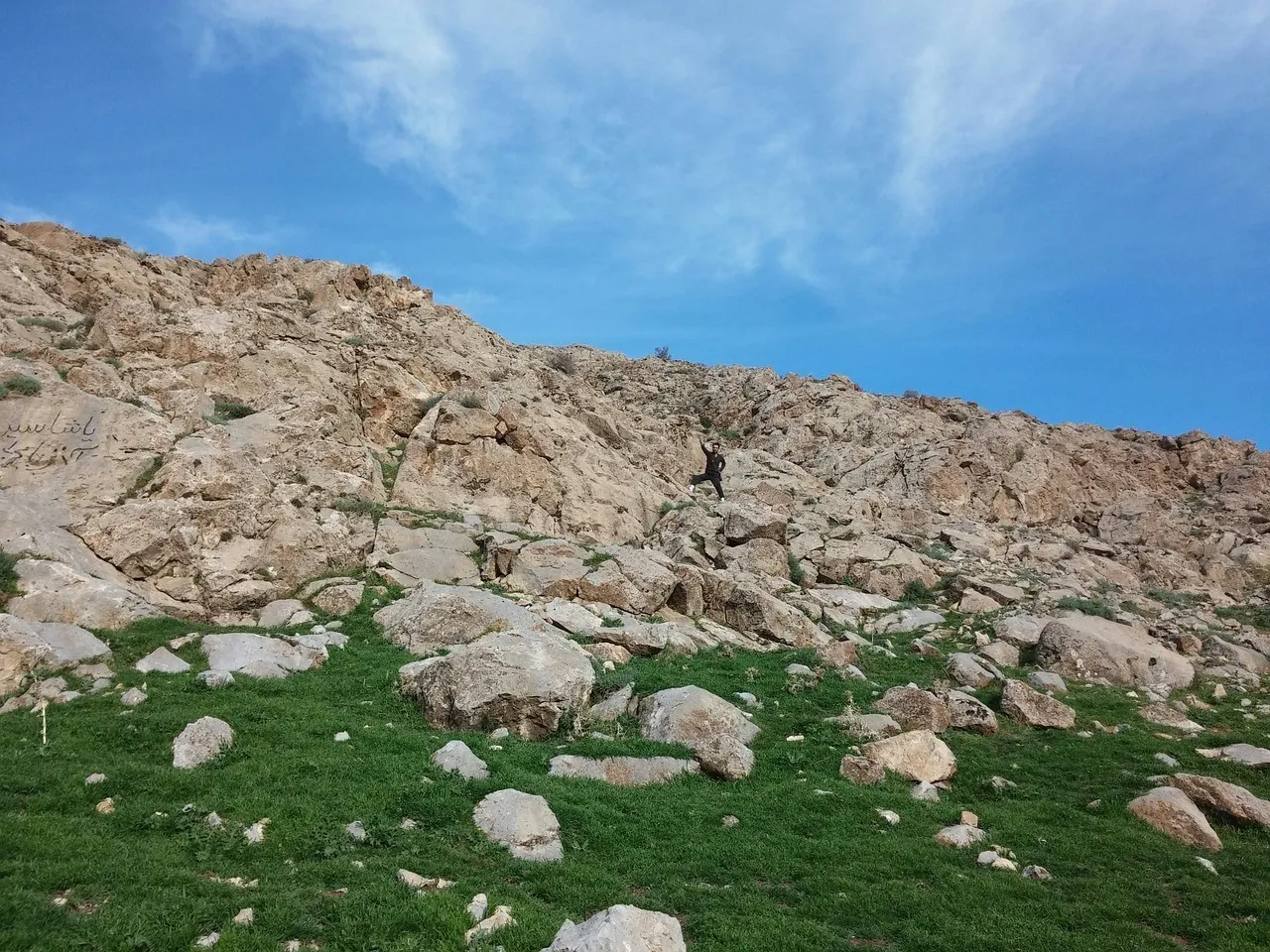
Yes. Iran is safe to travel alone. And people do. In fact, locals are so friendly that you won’t even feel alone. It’s not unusual to find other backpackers traveling solo through Iran. So those solo backpacking blues almost don’t apply.
Here are tips to help you travel solo in Iran like a pro!
- Find a well-reviewed hostel or guesthouse. These can be found along well-trodden tourist routes from Tehran to Shiraz and Yazd. It’s a great place to meet other solo travelers doing what you’re doing. Who knows, you might find a travel buddy!
- If there are no hostels available, an inexpensive local guesthouse can usually be found. They’re affordable and often run by super friendly people.
- Join a tour! Not only will you meet fellow travelers, but you’ll properly learn about Iran—not just what your guidebook says.
- Get a sim card for Iran. There are kiosks for this at Imam Khomeini International Airport. You’ll be able to use maps and—more importantly—keep in contact with friends and family.
- You should definitely stay connected. Going off-grid isn’t cool or clever. Keep in touch with people back home, let them know where you are and what you’re doing. A good way to keep grounded, too.
- But forget about staying connected through Facebook or Twitter unless you download a VPN service before you go. Research the best ones before downloading something potentially shady. Or use this as a chance to stop scrolling and liking so much.
- As a solo traveler, you’ll be more of a target for petty thieves, so pay extra attention to your surroundings.
- And you should talk to the locals! Those running your guesthouse or hostel will be more than happy to chat. This is also a good chance to ask for tips on things to do nearby—from the best places to eat to general sights. A great chance to learn about actual Iranians, too.
- Learning a bit of Farsi wouldn’t go amiss either. People will appreciate the effort—definitely.
Iran is safe for solo travelers. Crime is low overall and you won’t have to worry about having no one to talk to; other backpackers and super friendly locals make traveling around Iran a social experience. Still… travel smart. In Iran, that means watching out for suspicious characters and not being one yourself.
Is Iran Safe for Solo Female Travelers?
When you tell people you’re going to Iran as a solo female traveler, you’ll get one of two reactions: “you’re mad” or “you’re brave.” We think it’s just cool. For the most part, Iran IS safe for solo female travelers, but like most places, being a woman means extra worries.
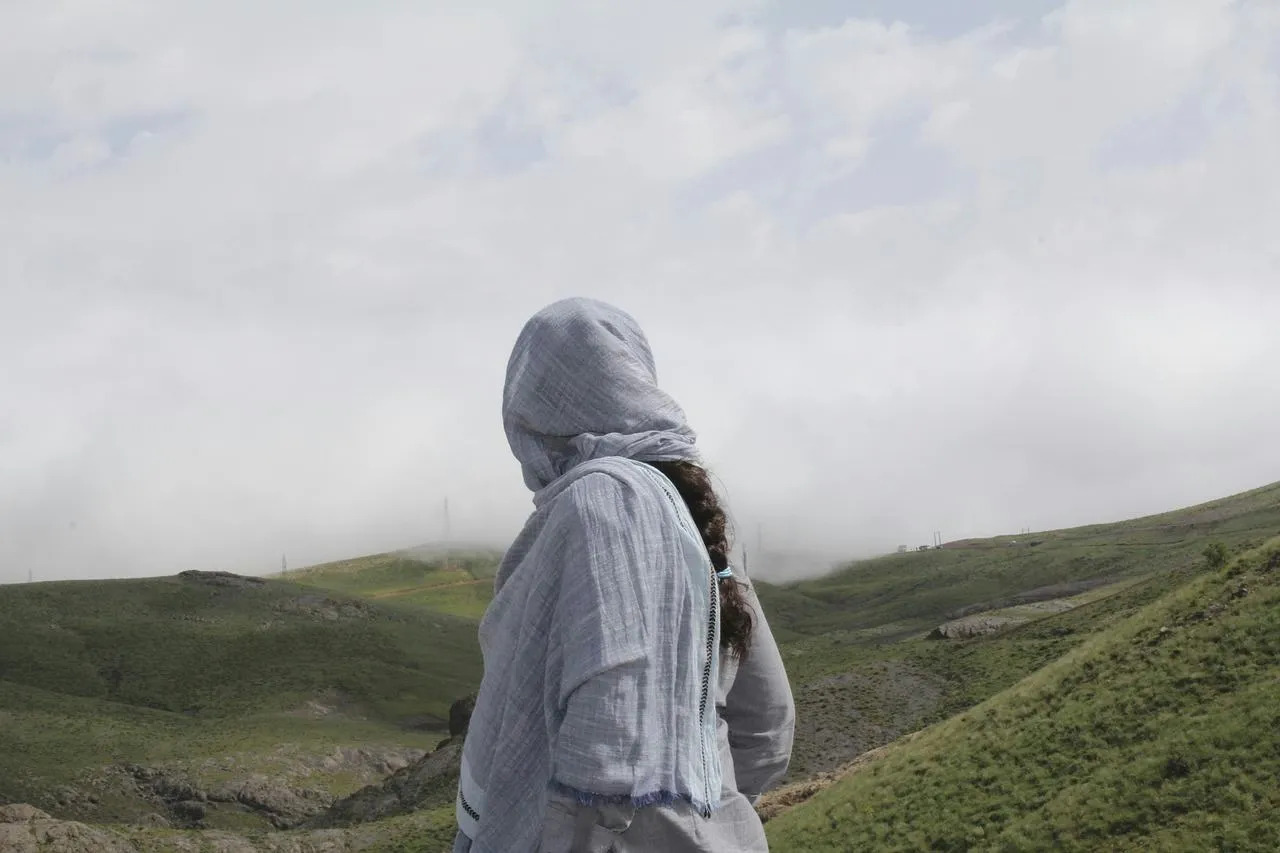
Holy shit, Iran fashion is no joke!
There will be annoyances, inconveniences and—of course—pesky men. But if you’re a world-traveling woman with a few stamps in your passport, you’ll be used to this anyway. We’ve got tailor-made safety tips for solo female travelers in Iran.
- There are actual laws on so-called modest dress in place since the 1979 Iranian Revolution. You’ll have to cover your head in public and wear loose-fitting clothing that doesn’t show off your body. It’s officially called hijab.
- In certain places, such as religious sites, you might also have to wear a chador. This is extra coverage to make you even more shapeless.
- That said, don’t worry too much in public. In cities, women wear jeans and heels. No one chases them because of how they’re dressed. But in rural areas, more traditional dress applies. As ever, watch what locals are wearing.
- As a Western woman, you likely won’t be under the same scrutiny as Iranian women. The main thing is to cover your hair. That’s the main rule—even for tourists.
- As a Western woman by yourself, you might be seen as free and easy in more ways than one by some (not all) Iranian men. Be aware and you might avoid unwanted attention, i.e., overfriendly men. Have your radar on. Iranian women often travel with a male chaperone (usually a family member).
- If an Iranian man goes to shake your hand, that’s cool—reciprocate with your left hand over your heart. BUT if there’s not one going, just leave it—don’t initiate a handshake.
- If you need directions, find and ask a local woman. They’ll be happy to help.
- Not only is there a women’s section at the back of buses in Iran, but there’s also a handy women’s entrance because men cannot share the same door as women. Havoc and mayhem.
- In Iran, women and families areas exist in restaurants. Women don’t have to sit here, but you might find it more comfortable than the men’s area.
- Similarly, steer clear of teahouses. These are male domains, and you’ll most likely get some harassment as a solo female traveler. Iranian women don’t frequent them.
- If an Iranian guy invites you to his house, that’s fine. But you shouldn’t go if none of his female relatives are there.
- Violence against women isn’t common—or at least you don’t hear much about it—but you may get groped, touched on the bum, that sort of thing, in crowds. Remove yourself and tell someone if it escalates.
- In some cities, such as Yazd, there are women-only taxi services. This is a safe way to get around. You can even hire female guides in some places.
- Make sure your accommodation in Iran has good reviews from other solo female backpackers. Research is always important, but favorable reviews from other women are usually a good sign.
- You can also meet other female travelers at hostels. Good for chatting, sharing tips, getting rid of solo traveling blues, or even making a travel buddy to explore Iran with.
- Don’t expect sanitary bins in toilets. Go prepared with a little bag and dispose of it elsewhere. That said, you can find sanitary pads if needed. Stock up on tampons though.
Women in Iran, especially in cities, aren’t so different from Western women. That might surprise you. Often they’ll even date like Western people, but they don’t advertise it. They’re much more private about their personal lives. Fair enough.
Surprisingly, it IS safe to travel as a solo female traveler to Iran. It’s not without annoyances, and you MAY find the separation of men and women a bit weird, but it’s just another way of doing things.
More on Safety in Iran
We’ve covered the main safety concerns, but there are a few more things to know. Read on for more detailed information on how to have a safe trip to Iran.
Bringing Money into Iran
No debit or credit cards work in the country, and traveler’s cheques are usually not accepted. Don’t try your luck changing money in-country either. The rates you get will be insane because of minimal and questionably legal options. It pays to go with a good company, and Mah Card is the one that’s helped me get money in and out of Iran.
Mah Card is an Iranian prepaid debit card for travelers in Iran. It’s equivalent to your usual international credit/debit card (i.e., Visa or MasterCard) with one major difference: your card doesn’t work in Iran. Banks in-country either don’t issue cards to foreigners or require a long list of documents tourists normally don’t carry!
Check exchange rates online yourself, but we’ve found Mah Card to be trustworthy and they offered our readers 40% off their commission fee with our code: brokebackpacker. Check them out and get your card here.
 Iran is one of the world’s leading countries for affordable dental work, and many people travel there for dental work or cosmetic surgery. You can get cosmetic surgery SUPER CHEAP in Iran and support awesome local people at the same time. Mansoureh, who I know personally, is a top-notch dentist with ten years’ experience and speaks fluent English—reach her at +989358278112 on WhatsApp.
Is Iran Safe to Travel for Families?
If you travel to Iran with children, be prepared for everyone to literally fall in love with them. Children are a big deal in Iran, and Western children are a huge novelty.
You’ll have to get used to your kids getting showered with attention. Lots of people wanting pictures, your kid being handed around and kissed a lot (even on the lips) to the point where you might say, “ok guys, enough’s enough.” That doesn’t mean it’s not safe. The opposite, actually!
Iran can be a great place to take children. Small children can be a challenge, though, as it’s not particularly set up for babies or small children.
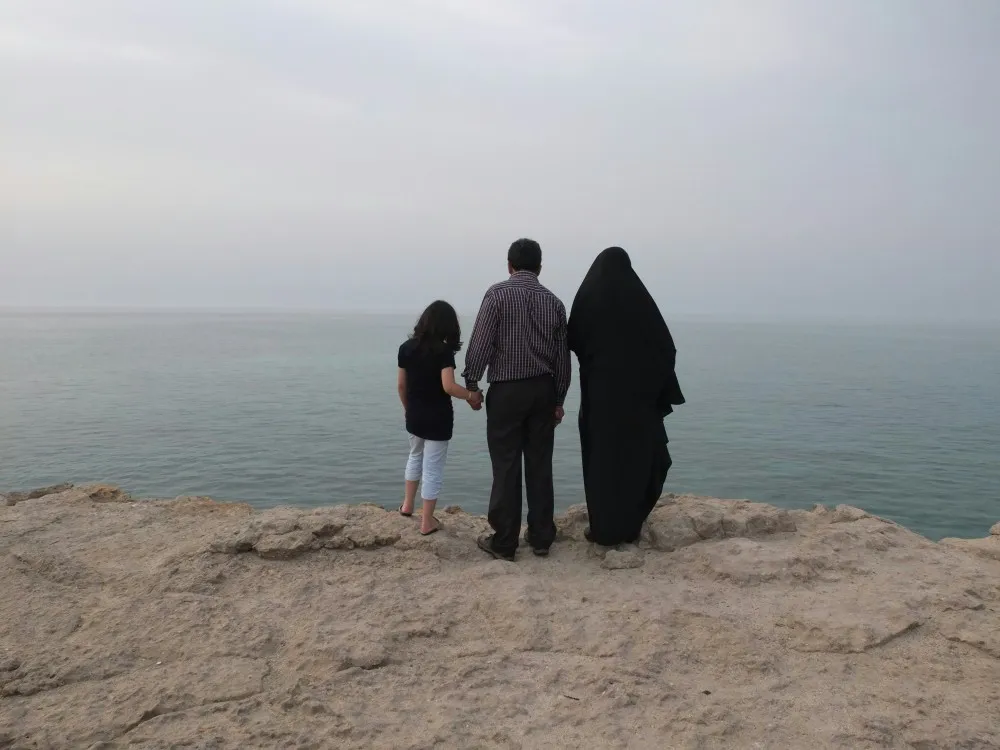
Iran is an everyone destination.
Older kids will love it though. Seriously, what an adventure!
If you’re traveling with a daughter over 9 years old, hijab rules (head covering and loose clothing) apply.
Eating big meals with family is normal. People will be more than happy to help at restaurants. They may even make child-sized, non-spicy portions. Staying at guesthouses and hotels means a big breakfast is included.
Seatbelts in the back of cars and baby seats aren’t common. A road trip in Iran with children can be tricky. Plan ahead well. You can also use the women-only carriages on the metro in Tehran with your children. Only mum, not dad, though.
Be aware that many toilets are squat toilets without toilet roll. Carry enough hygienic paper for your entire party.
So while it’s safe to travel for families in Iran, it’s not the easiest place.
Is It Safe to Drive in Iran?
Iran has big, beautiful landscapes that are ACE for exploring by car. There are AWESOME road trips along the scenic coastline, hidden villages to discover, and mountainous routes to wind around. That said… you’ll have to be pretty brave to get behind the wheel in Iran.
Drivers can be erratic and aggressive. There’s little courtesy for other drivers, and they often drive at high speeds. Even if you’re being driven around by somebody, you might have to tell them to slow down sometimes!
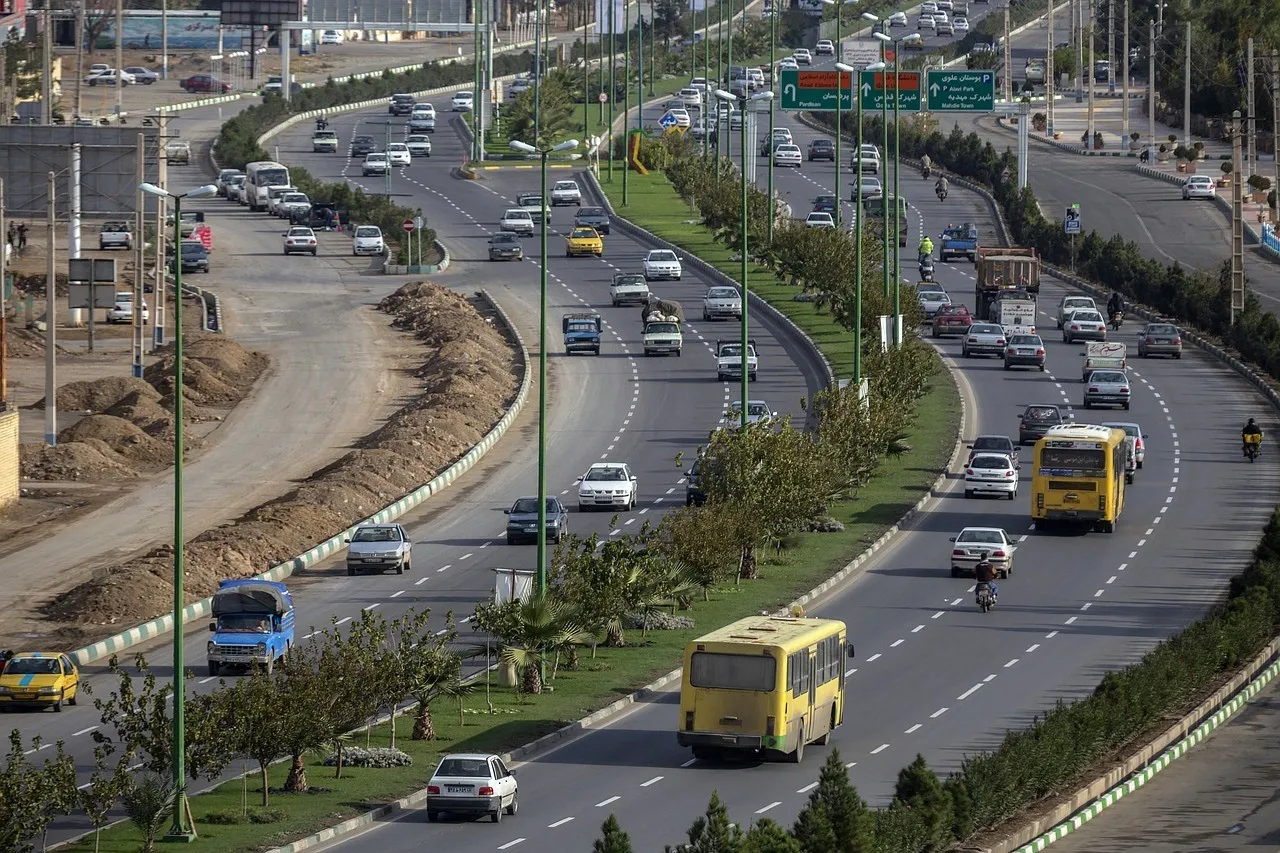
The lines and traffic lights are suggestions.
Other things to worry about include roadblocks. These can be set up in cities or on highways equally. Officers staffing them aren’t always the most experienced, so make sure you have your ID. And definitely don’t get into arguments. Just do what they say.
Cities can be hectic—traffic-laden and polluted. Intersections can be super busy. No one really seems to know where they’re going. Crazy beeping horns, buses, and motorbikes that jump red lights and zip along sidewalks to get ahead.
As a side note: Women ARE allowed to drive—but not motorbikes, weirdly. Sorry about that.
So in general, unless you really want to or have experience driving in places like this, we’d say just get the train. Even statistically speaking, it’s not really safe to drive in Iran.
Is Uber Safe in Iran?
No Uber. Nope.
There IS another option, but in Tehran. It’s called Snapp. It came to market in 2014 but works the same. You hail a taxi from your phone. Download the app, verify a number, and then… use it like Uber.
You can only pay with cash (unless you have an Iranian debit card).
The good thing about Snapp is that they have female drivers for women and children. That’s a plus. Other than that, all the other Uber-like benefits are there, making Snapp a pretty safe option.
But…
Are Taxis Safe in Iran?
There are loads of taxis in Iran. However, they’re not always honest. A lot of the time, you’ll find yourself being ripped off. Don’t expect to see meters in taxis.
There are a few types of taxis.
The safest are agency taxis. Surprise surprise, they’re also the most expensive. But they’re pretty safe. You can call these or get your hotel to arrange one. Sometimes the driver might even speak English.
In Tehran and Yazd, you’ll find female taxi drivers for females and families, so you won’t have to worry about dodgy drivers.
You also won’t have to worry about the state of the cars. They’re usually new(ish). Otherwise, there are just regular taxis you can hire privately or shared.
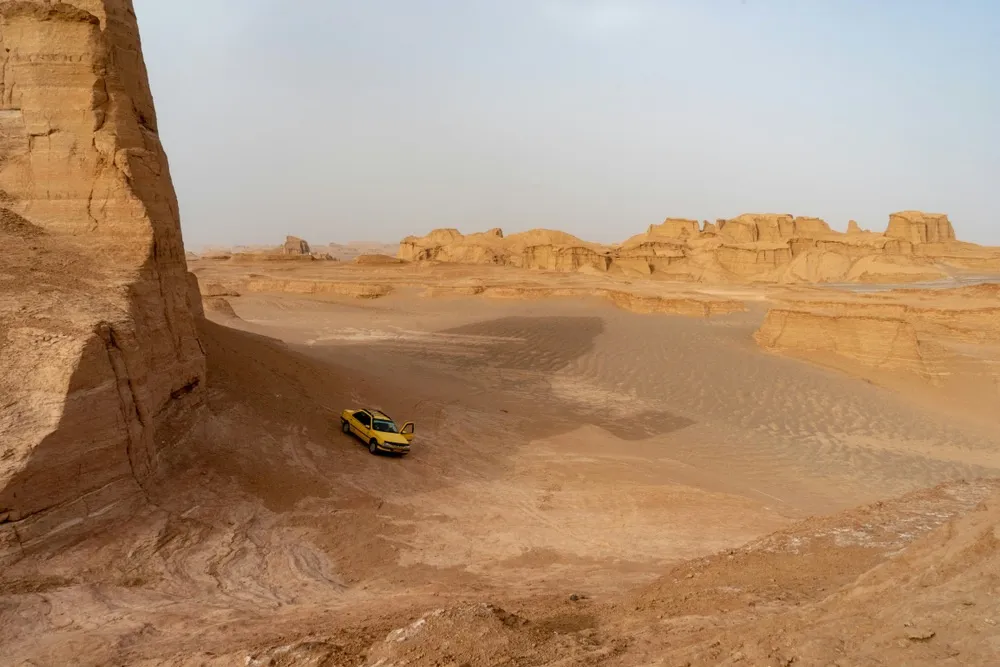
Pick a cab, any cab. Just don’t take the first price.
Any empty taxi can basically be ‘chartered.’ When you get in, the driver will probably ask: Dar baste? This means, ‘Closed door?’ If you say Nah dar baste—then you’re up for sharing the taxi. Not up for sharing? Then nod your head. Or say yes.
Then that taxi is yours! They’ll take you anywhere you want to go. Like a taxi should. But go by landmark rather than a specific address.
Make sure you don’t get ripped off. Do not agree on the first fare they give you. It’ll be astronomically high. Go low and meet in the middle.
Avoid or ignore hawkers or taxi touts, whatever you want to call them.
Taxis are safe in Iran, but there IS a high chance of being ripped off. Be savvy and research how much things should cost.
Is Public Transportation in Iran Safe?
Like most other things in this country, public transport in Iran is safe.
Tehran has a metro. Amazing! It’s fairly easy to navigate, with four lines. Like anywhere, watch your pockets during rush hour. The metro is clean, not too hectic, and pretty cheap. Ideal if you’re on a budget. Get a metro card—handy. Just beep in and out. Fortunately, many signs are in English.
There are female-only sections on the metro. That’s just how it is here, not because of safety. Use them if you’re a woman, but you don’t have to.
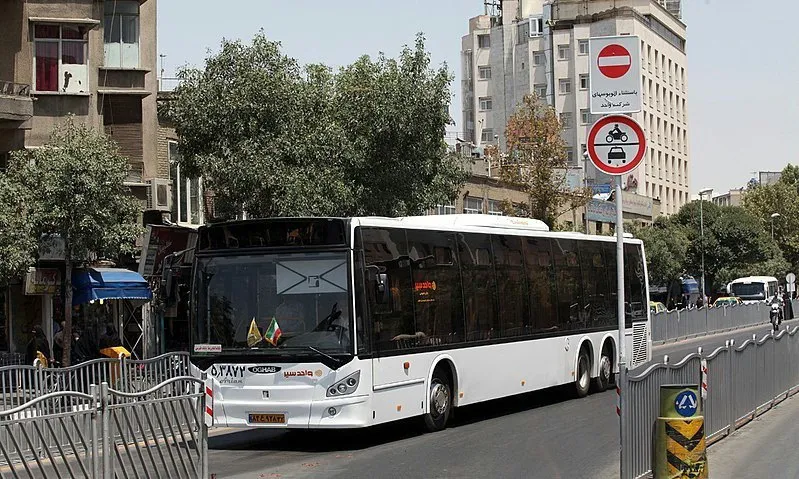
City buses connect all over and make a lot of stops. Yes, they’re slow and may not have English information. They can be confusing for tourists. Women enter and sit at the back.
The BRT buses in Tehran are much better. They have English signage and information. They’re red and have their own lanes. They’re quick, newer, and women sit at the front.
For intercity travel, buses are cheap, frequent, and easy to use.
You can always get a VIP bus. These are more comfortable, quicker, and even come with a SNACK! That snack (and other perks) comes at a price, but it won’t break the bank.
Intercity buses have assigned seating. Women sit next to women, men next to men, unless you’re traveling as a couple in Iran.
Train travel is a lot of fun in Iran! The Trans Iranian Railway connects the Caspian Sea with the Persian Gulf and dates back to the 1930s. It’s well connected and budget-friendly; choose between private or mixed cabins.
The only problem is trains often arrive in the middle of the night. Not the easiest way to arrive in a new place. So you may prefer the bus.
But that’s pretty much it. Public transport is safe in Iran.
Is the Food in Iran Safe?
Food in Iran is wonderfully tasty. There are meat stews like chicken fesenjen, with pomegranates and walnuts (delicious). There’s dizi (slow-cooked beef and vegetables). You can even try camel stew—if you really want to. Basically, there’s a lot on offer.
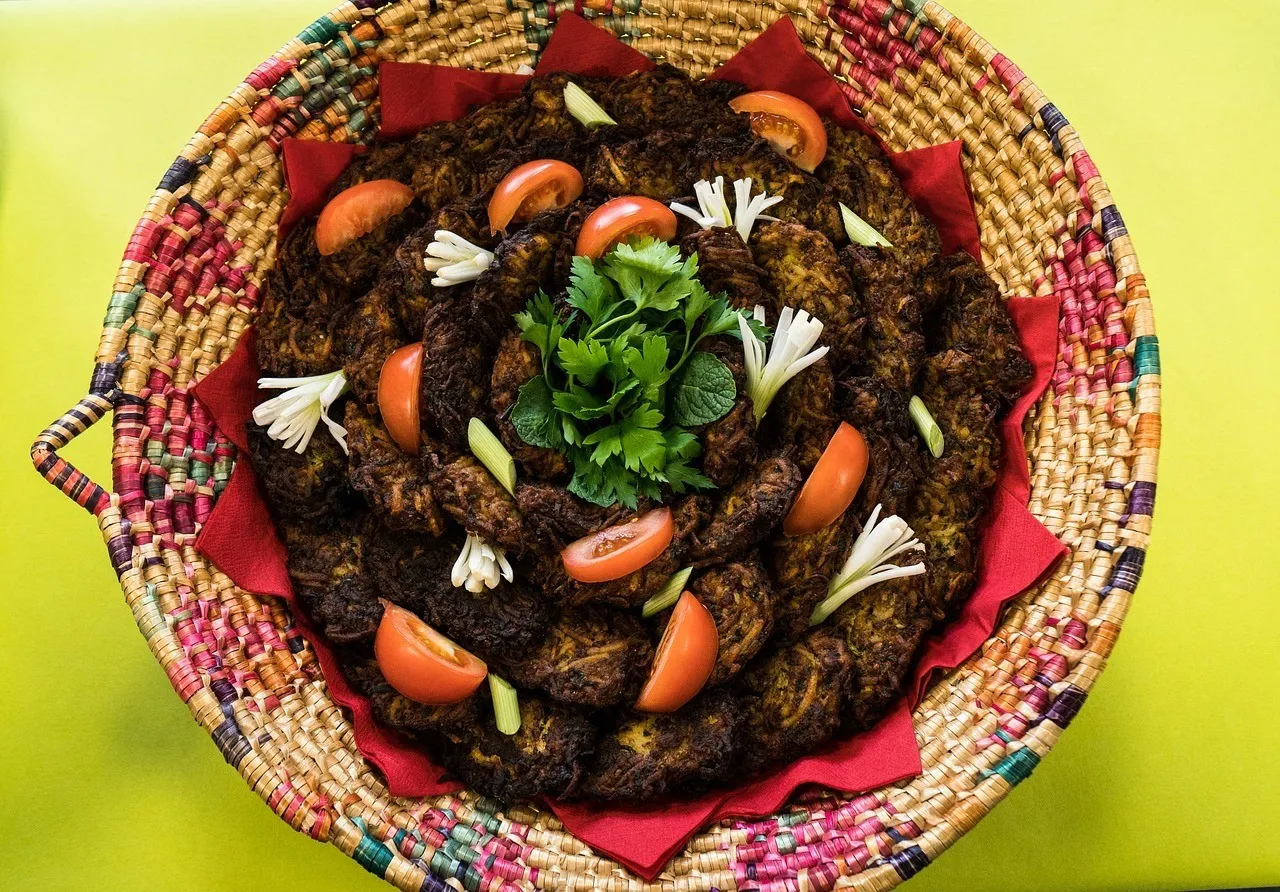
Food is among the top reasons to visit Iran.
And then there’s the ever-faithful kebab. Always a good option. But many travelers find it hard to get into Iran’s food. Not understanding what things are and being scared to try means you won’t discover anything new. Here are some tips.
- Freshly prepared dishes are your best bet to avoid a bad stomach. Going for something like khoresh—the Farsi word for stew—might give you trouble, especially if you have a fragile stomach.
- Breakfast and dinner are pretty small affairs. Lunch fans, you’ll love this: lunch is the main event. Expect big portions and people sitting around for a LONG time enjoying it. You’ll have to adjust your eating habits accordingly.
- Find restaurants that are busy with locals. In Iran as elsewhere, a restaurant is popular if it’s tasty—and unlikely to make anyone ill.
- The bread is pretty tasty in Iran. It goes with most meals—a big flatbread cooked hot and fresh in a kiln. If you’re struggling with food, go for some bread. Simple and delicious.
- There’s fruit galore in Iran. If you’re worried about your stomach, steer clear of anything you can’t peel yourself.
- Many Iranians eat at picnics. Grab something freshly cooked from the market, put it in your fridge (hotels almost always have one in each room), and head to the parks to join Iranians picnicking.
- But during Ramadan… you cannot eat in public during daylight hours. Plan ahead. This is the actual law and applies to tourists as well.
- And WASH YOUR HANDS before you eat. The simplest and easiest way to stay healthy.
Basically, food in Iran is safe. Food hygiene isn’t much of an issue. Many dishes are cooked hot—stews cooked for 12 hours straight. If you’re really worried, never go to a restaurant that looks dirty or is completely deserted.
And tuck into falafel and figs. Meat might not always be your stomach’s friend in Iran. To be safe, pack anti-diarrhea medication, and hand sanitizer won’t go amiss. In general, the food here is safe and delicious!
Can You Drink the Water in Iran?
Water in Iran is mainly safe to drink—that’s the case through most of the country.
Many visitors prefer bottled water, but please don’t. Bring a refillable water bottle and a purification system to save on plastic.
We use a filter bottle or the GRAYL GEOPRESS to ensure our water is clean, but boiling for a few minutes works if you have the supplies and time.
Don’t drink from rivers and lakes without treating; you can get really sick.
Is Iran Safe to Live In?
There’s a lot of propaganda surrounding Iran. Many in the West assume it’s hostile to foreigners. To be fair, the Iranian government does have disagreements with various governments.
However, Westerners DO live in Iran. Most are in Tehran. It’s the obvious choice—more developed and everything you’d expect of a capital. If you want to live in Tehran, the north is the affluent area: European-style buildings, lower pollution, mountain scenery, and good amenities.
It’s probably best to avoid South Tehran due to high pollution and a bad reputation.
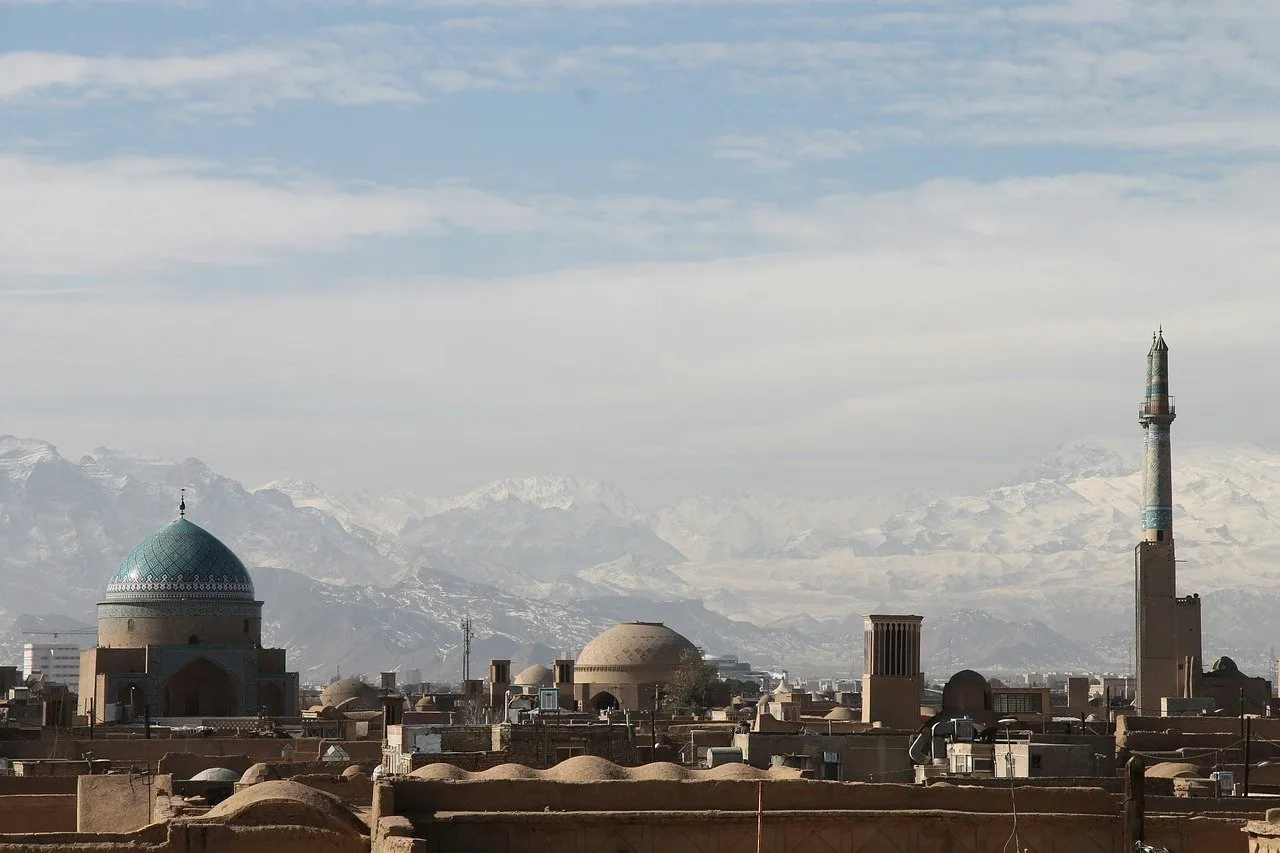
Which is more compelling, the ornate city or the majestic mountains?
In terms of daily safety in Tehran, the most dangerous thing is car-based. Crossing the road and heavy pollution are issues. You’ll also have to get used to a new weekend.
Thursday afternoons and all of Friday replace Saturdays and Sundays. This takes some getting used to.
Other adjustments: covering your hair if you’re female, not wearing shorts, not drinking alcohol, and not really being able to criticize the government.
But Iranian people are very friendly, social, family-oriented. They’re welcoming and hospitable. You shouldn’t have any problem with security and safety living in Iran.
Is It Safe to Rent an Airbnb in Iran?
Unfortunately, there are no Airbnbs in Iran. It’s one of the few countries that don’t offer these rentals. However, there are plenty of incredible hostels that are just as comfy and private.
Is Iran LGBTQ+ Friendly?
Unfortunately, Iran is as bad as it gets for LGBTQ+ travelers. Unless you want to live completely hidden and go back into the closet, we wouldn’t recommend visiting.
Visiting Iran as anything but heterosexual can lead to heavy punishments and sometimes even persecution. Therefore, it is definitely not LGBTQ+ friendly, or even slightly safe for gay travelers.
FAQ About Staying Safe in Iran
Here are quick answers to common questions about safety in Iran.
Is It Dangerous to Visit Iran?
Unless you stick to the rules, Iran is not dangerous to visit. If you go looking for trouble, you’ll find it. Listen to your gut, research the do’s and don’ts of the culture, and you’ll have a great trip.
Can Americans Go to Iran?
Yes, Americans can travel to Iran safely, but it takes longer and requires more documents than for other nationalities. The relationship between Iran and the US is still sketchy, but travelers shouldn’t be affected too much.
What Should You Avoid in Iran?
Avoid these things when visiting Iran:
– Don’t forget to carry your ID at all times – During Ramadan, you can’t eat, drink or smoke in daylight hours in public – Don’t wear anything that goes against the dress code – Avoid using your laptop in public
Is Iran Safe for Female Travelers?
Iran is only safe for female travelers if you follow the rules. Stick strictly to the dress code and try to blend in—that’ll keep you out of trouble with local authorities. Read up on the rules for women in Iran before you travel.
So, Is Iran Safe?
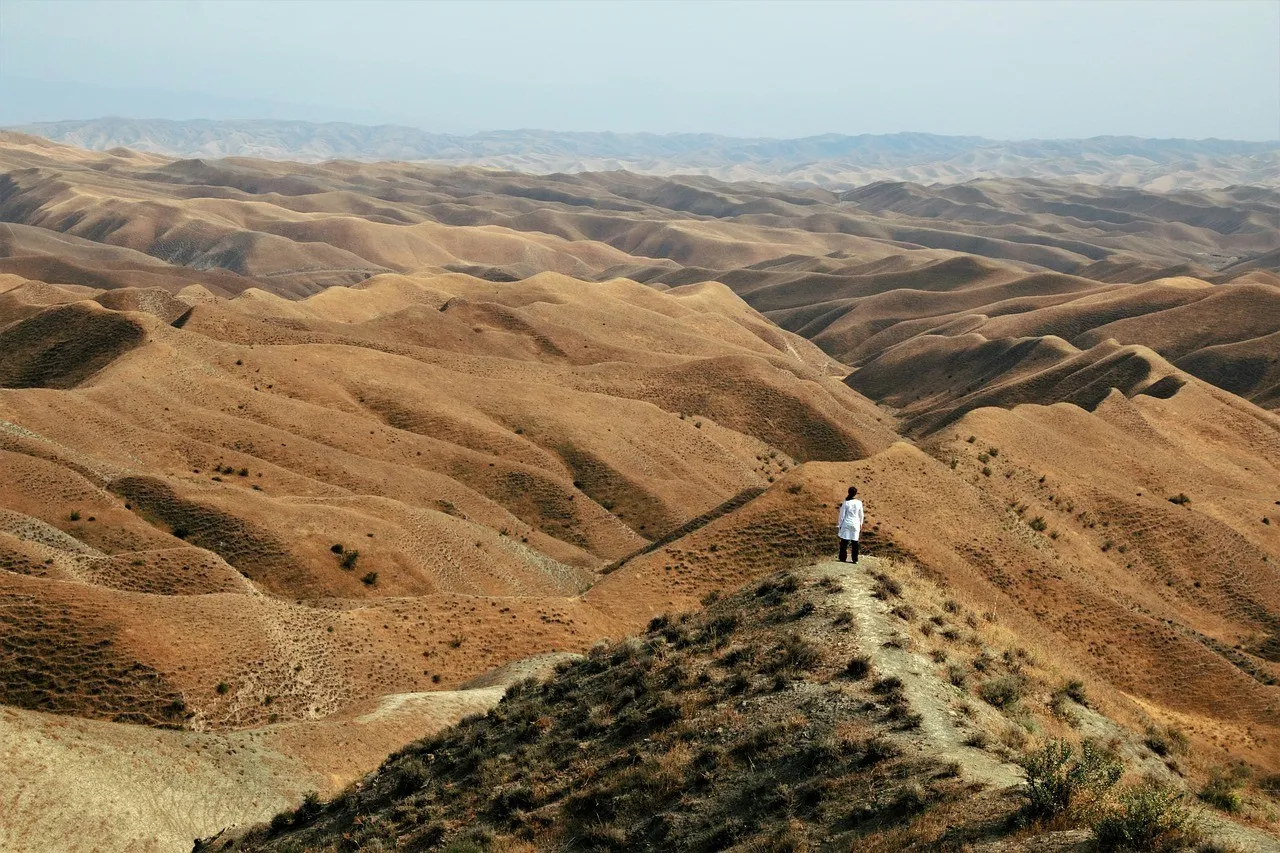
Not saying you’ll have it all to yourself, but statistically fewer Westerners have seen this beauty.
We think if you travel smartly, Iran can be a safe destination.
It is in some respects unfairly vilified. It’s definitely seen as an enemy of peace by the West, but for the most part, this is to do entirely with governments not agreeing on world issues. There are definitely some alarming things about Iran—the level of political freedom. But when it comes to visiting Iran: it’s safe.
Whether or not it’s a result of strict laws, crime levels are low. Surprisingly—unlike many other countries in the region—women fare quite well in Iran; in terms of safety, at least. Freedom-wise, we’re not so sure. It’s a pretty interesting place. Like many ‘no-go’ countries, it ends up being a fascinating visit because many of us only ever knew it (quite incorrectly) as a demonic place under the crushing rule of Islam.
You may have to be modest in your dress. You can’t eat in public during Ramadan. You’ve got to be careful how you talk to police and government officials. But we haven’t disqualified countries like Singapore and Indonesia because of their strict rules. Iran is a different country. It has an actual different weekend! That’s pretty different. And when it comes to difference, we should embrace it as travelers. So go and see what all the fuss is about.
Disclaimer: Safety conditions change all over the world daily. We do our best to advise, but this info may already be out of date. Do your own research. Enjoy your travels!