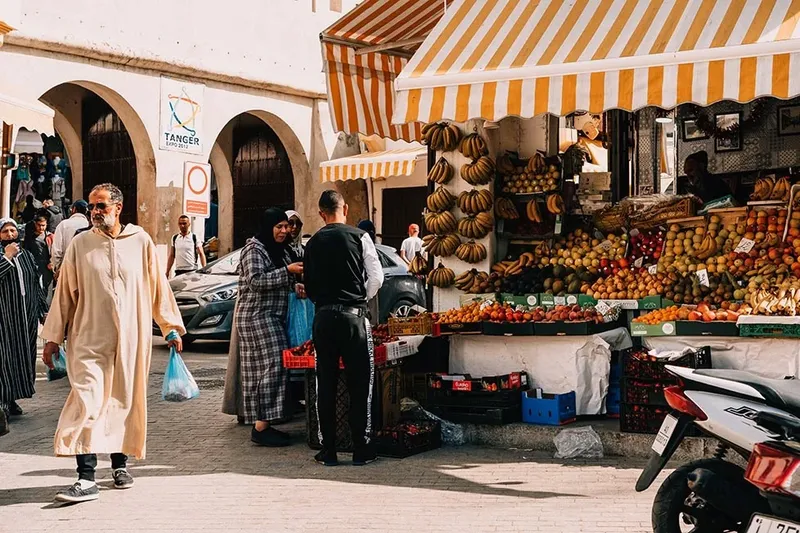
Morocco, where Arabic, Berber, and French influences meet, is a North African destination that delivers unforgettable experiences. Its historic medinas, mint tea, ancient mosques, and flavorful cuisine offer a world of discovery.
But you may be asking: Morocco sounds great, but is it actually safe?
We're here to address all your concerns. This travel safety guide provides tips, advice, and thorough coverage on visiting Morocco safely.
Whether you're wondering if Morocco is safe right now, for female tourists, for solo travelers, or even to live in, this insider guide will answer your questions.
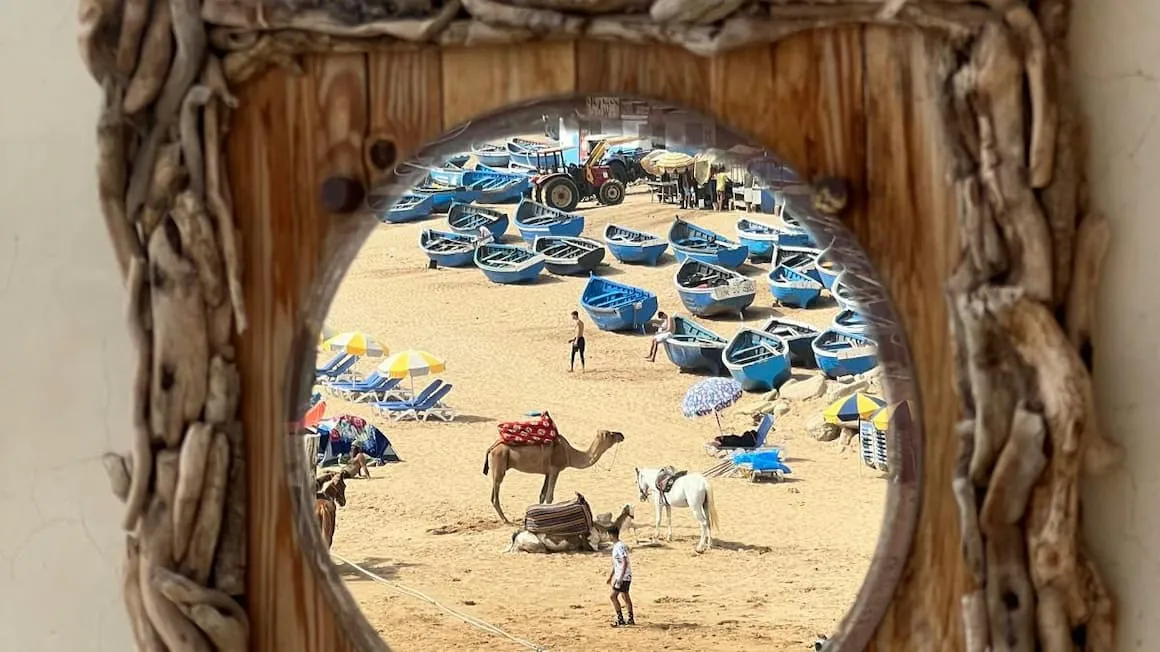
Seeing through the tourist lens.
How Safe Is Morocco? (Our Take)
On the whole, Morocco is safe for travel.
That said, crime does occur, and as anywhere in the world, you should exercise caution and stay aware of your surroundings at all times.
Morocco's tourism numbers have been rising year after year and are expected to keep growing. Growing tourism numbers usually suggest a country is safe to visit.
But do bad things happen in Morocco? Absolutely.
The most frequent complaints involve pushy people, petty theft (common in major cities), and poor treatment of women (which we'll cover in detail shortly).
While these issues are unfortunate, you can take steps to maximize your personal safety and help ensure a smooth trip.
Some visitors have reported getting lost in Morocco's winding streets because street names change (from French and Spanish to Arabic), but Google Maps or Maps.me should do the job.
Is It Safe to Visit Morocco Right Now?
Yes, it is. Of course, traveling with caution and common sense helps a lot, but most trips to this beautiful country end successfully.
Morocco is, in fact, the most politically stable country in North Africa. The government has been investing more in infrastructure to attract more tourists. After all, more tourism means more money.
Reports indicate increasing numbers of faux guides—unofficial guides who offer their services in front of attractions. Some know quite a bit and speak multiple languages, but you could also end up with a total scammer. Fortunately, tourist police have been handling this issue well.
Political demonstrations are rare in Morocco, and if they occur, they're normally not harmful to tourists. Stay out of them and don't actively engage, and you'll be more than safe.
With so much culture and history to explore and a generally relaxed, friendly atmosphere, a trip to Morocco right now should be pretty safe and fully worth it.
Safest Places in Morocco
Some places in Morocco are safer than others. To help ensure a successful trip, we've listed the safest and the not-so-good areas below.
Marrakesh
It may not be the capital, but Marrakesh is Morocco's number one tourist destination, which is why we consider it one of the safest places in Morocco. Tourists are welcome, and many places seem set up for visitors.
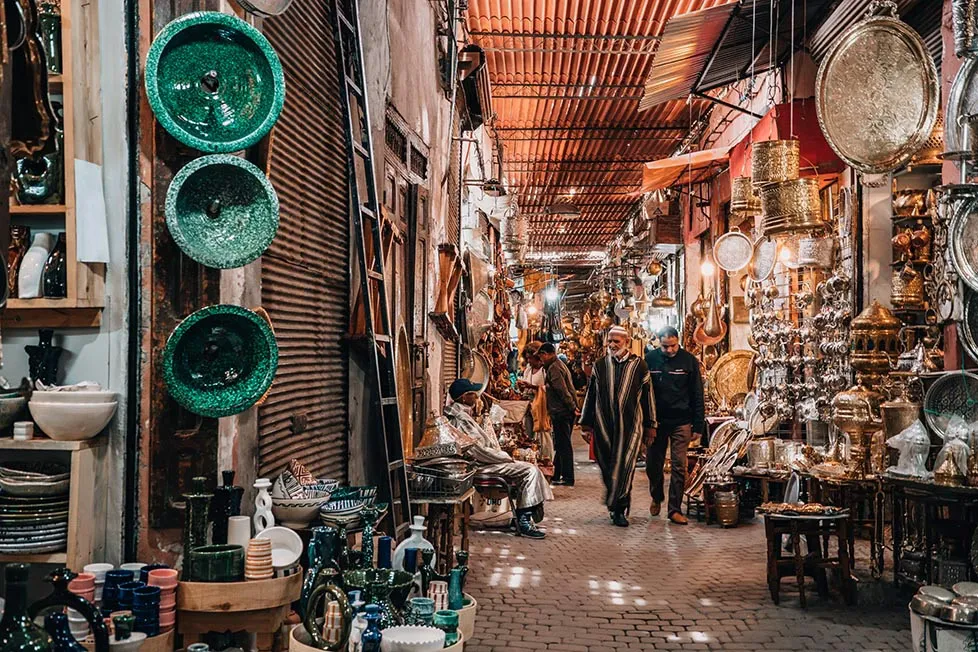
Just be ready to be pestered.
Marrakesh is best known for amazing places like the central market and souks, all based around Jemaa el-Fna Square—a feast for the senses where you'll smell spices and hear traders shouting. But there are also other attractions around the city that are a little less hectic, including the Jardin Majorelle, Bahia Palace, and Koutoubia Mosque.
Keep in mind that with a lot of people come problems like pickpocketing and petty theft. Leave your valuables at home so you can explore without worrying about theft. Many hostels in Marrakech offer luggage storage or lockers to keep your things safe.
Essaouira
Known as the Wind City of Africa, Essaouira is best known for one thing above all else: surfing! With lots of surf camps, plenty of backpacker accommodation, and a very chill vibe, this little city is one of the best places in Morocco if you want safety on a budget. The best time to visit is from April to November, when surfing conditions (both wind and regular) are at their finest. However, if you're not coming to surf, coming out of season means you can enjoy the medina and all its attractions in this port town.
Atlas Mountains/Sahara Desert
If you're a nature lover or outdoor enthusiast looking for adventure, take a closer look at the Atlas Mountains and the Sahara Desert. Both cover vast areas, so you'll need a few days here to enjoy some of Africa's most enticing activities, including camel trekking, overnight camping, and hiking and biking in the mountains.
You'll definitely be safe from pickpocketing and petty theft here, mainly because there'll hardly be anyone around. But being in such a remote area means you'll face natural dangers along the way. Protect yourself against the sun, stick with your guide, and drink enough water, and you'll be perfectly safe here.
Places to Avoid in Morocco
As in almost every country, some areas are better avoided than visited if you want a safe trip. The same goes for Morocco. While the crime rate is relatively low compared to other African countries, a violent crime threat exists.
If you want to explore the country on your own, it's best to ask locals for their inside knowledge and get a tour guide, just to be on the safe side. To make things easier, we've listed a couple of no-go areas below:
- Casablanca: Morocco's economic capital, Casablanca, is a stunning city with quite a few problems. Statistically, this is Morocco's most dangerous city due to drug trafficking and organized crime. While it's definitely not a no-go zone, you should still be aware of the situation and stay away from empty side streets and dodgy characters.
- Fez: This is probably the most unique yet stressful city in Morocco. While Fez definitely has its own charm and attractions, you'll really need thick skin to push your way through all the salesmen, scammers, and guides. That said, the city is still incredibly beautiful and offers stunning architecture and history. It's often considered Morocco's cultural center.
17 Top Safety Tips for Traveling to Morocco
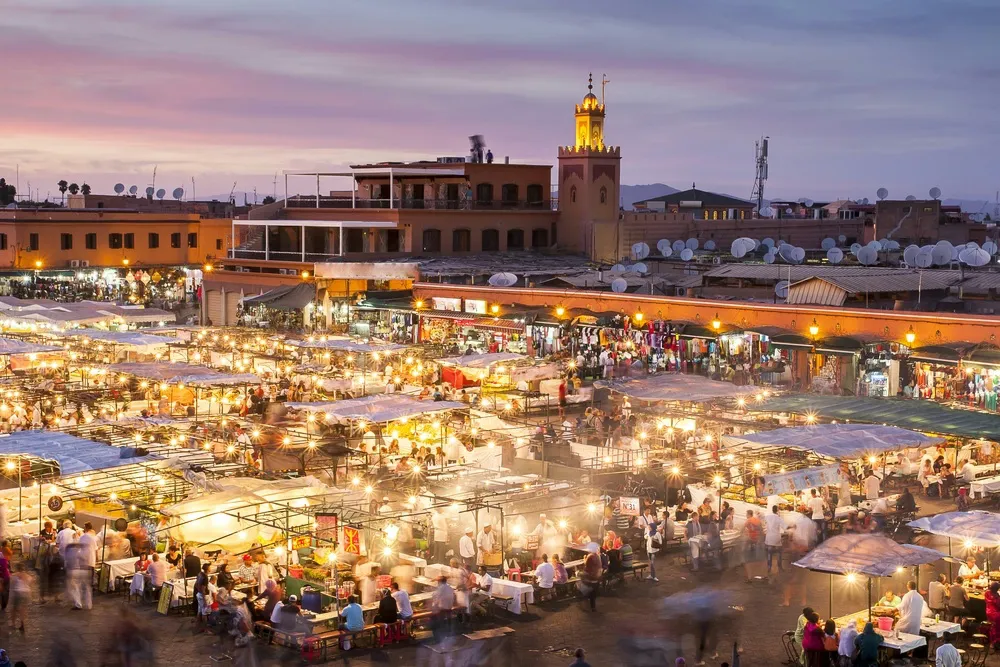
Follow our 17 tips for safer travel to Morocco!
While we all agree that Morocco is largely safe, there are always ways to make sure you are extra-safe. By following these travel safety tips for Morocco, you'll be able to travel there confidently and spend more time exploring and less time worrying!
- If you are approached and are uncomfortable, don't be afraid to say 'no thank you' and move on.
- Make sure you've packed everything you may need. Nothing is worse than realizing you forgot half of the essentials and having to rush to the next supermarket. It'll ruin your budget and most likely the beginning of your trip as well.
- Book a real guide and don't accept tours from strangers. Faux guides are common around famous attractions, but it's better to book your tour online or explore by yourself.
- Keep your valuables close and/or hidden. Pickpocketing is a real problem in Morocco, especially in bigger cities. If you carry money or valuables, make sure they're well-hidden or get a money belt.
- Carry small bills so you don't have to get out larger notes.
- Dress modestly—this is a conservative country. It's best to adapt to the people around you. Watch what locals are wearing and choose your clothing accordingly. That way you won't stand out as a tourist and won't offend anyone.
- Buddy up with fellow travelers. Whether it's people you met at the hostel or during a tour, it's always safer in a group. Walking alone can make you a target.
- If someone says they recognize you, it's a scam! Just ignore and keep walking. If they still insist on knowing you, reply with a firm but polite no.
- Be aware of people hanging around you at ATMs. If possible, only use ATMs in your hotel or at the bank. Also, don't withdraw too much money at once. Completely avoid getting cash out at night.
- Ask people before you take someone's picture—they may demand money.
- Try memorizing routes (or drawing a map) to avoid having your phone out. If you want to use Google Maps or another application, it's best to go into a shop.
- Drink filtered water and ask for drinks without ice. Just to be on the safe side, but more about that later!
- Be wary of your personal space as pickpocketing can happen. Also, don't leave your belongings out of sight.
- Don't wear anything flashy—you're more likely to be targeted for a scam.
- Confirm the price of your taxi before you get in. Some drivers will try to rip you off completely. If the price seems way too high, get out and find a different taxi.
- Be prepared to haggle; it's expected and normal. Morocco is actually a great country to improve your haggling skills.
- Take MASSIVE care when crossing roads. You don't want to accidentally get run over by a truck.
- If somebody tries to do you any kind of unsolicited service, such as offering directions, they will possibly want you to pay afterward.
Is Morocco Safe to Travel Alone?
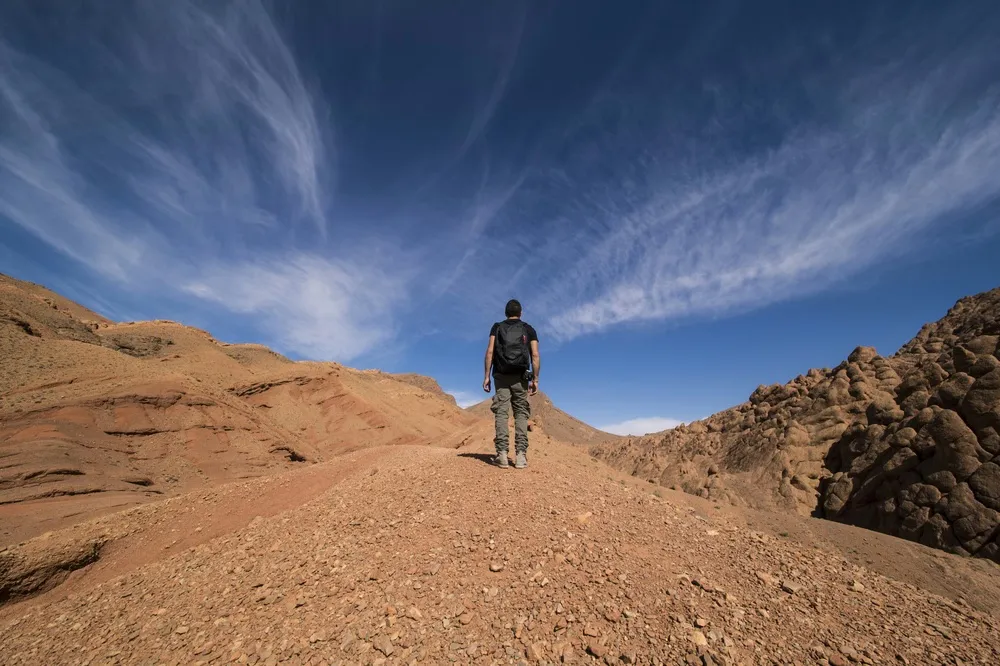
If you are traveling alone to Morocco, there are certain precautions you should take.
Every year, thousands of solo travelers head to Morocco alone to soak in the desert and culture of this amazing country. With a great variety of hostels and cheap guesthouses, meeting other solo travelers is very easy. But that doesn't mean traveling solo in Morocco is a cake-walk.
Generally speaking, Morocco is safe to travel alone. However, things can happen anywhere in the world, so keep your wits about you. It's not necessarily a difficult place to travel by yourself, but you'll have to learn a few things to ensure you have a fun time on the road.
- Learning some basic Berber, Arabic, or Darija will help you in your travels, especially with taxis or haggling.
- If you are thinking about traveling alone in Morocco, get yourself a phone or SIM card. This will help ensure you don't get lost and gives you peace of mind knowing you can make an emergency call if need be.
- Making friends with fellow travelers along the way is always a good idea.
- Depending on where you go and what city you're in, solo travelers won't even need a tour guide, particularly in the relatively easygoing Tangier. In other places, just for peace of mind as well as to get the best out of your experience, a guide may be a good idea. In this modern age, you can check TripAdvisor and read blog posts to assess what places are safe to stay, eat, and explore.
- Make sure you read recommendations and reviews of hostels and other accommodations. Knowing that other travelers enjoyed it will put your mind at rest.
- Plan a budget. Include money for when things go wrong so that you have some financial peace of mind.
- Always keep someone informed about where you're going. Whether that's the hostel staff, a friend, or family back home.
Is Morocco Safe for Solo Female Travelers?
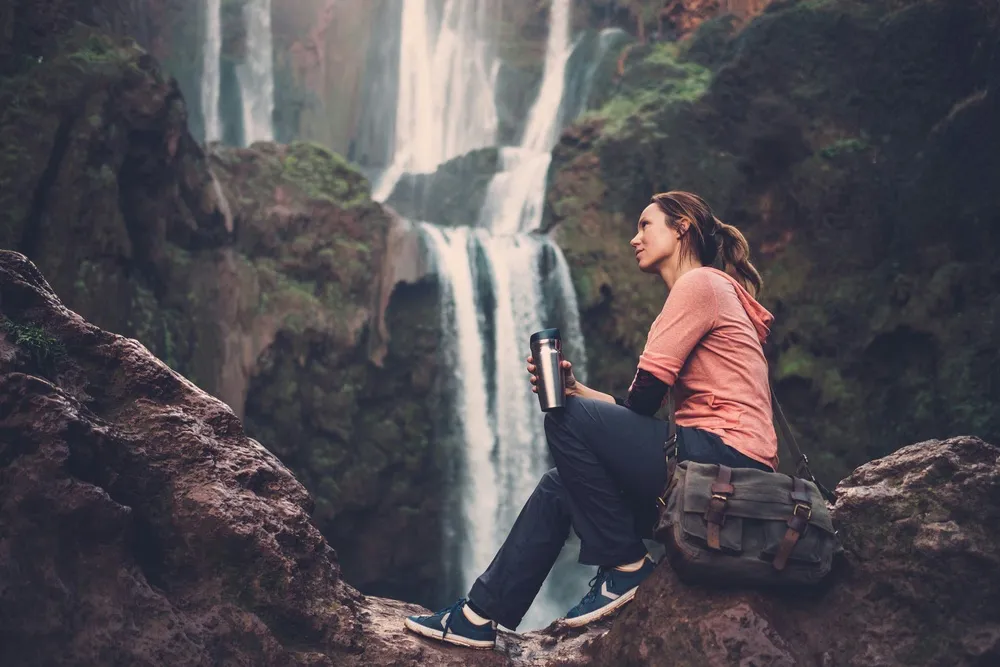
Women can still have an amazing time in Morocco!
Yes, traveling in Morocco as a woman can be very safe and 100% doable! But having said that, no matter where you go, traveling as a woman—solo or otherwise—is always going to have its risks. In some ways, Morocco more so than others.
You'll need to exercise more caution than you would in some other countries. Unfortunately, some level of attention and minor harassment can make Morocco a bad travel experience at times.
Keep an open mind and you'll still have a great experience. It will feel a little intense at times traveling Morocco as a woman, but just remember why you're there: to explore the country to its fullest. Even Moroccan women themselves have to deal with hassle from men—possibly even to a worse degree.
Here are a few female-specific safety tips for Morocco you need to bear in mind to ensure you actually stay safe on your trip.
- You will most likely receive cat-calls in the medina, but the majority of harassment will most likely be 'you're beautiful'. Don't interact with people who come up to you—you can do things like pretend to be filming and talking on the phone. Don't be afraid to completely ignore/shut down a man that approaches you.
- Book yourself into a female-only hostel dorm. Not only do you get to meet other female travelers, but you're also adding an extra level of safety to your trip.
- If something feels sketchy or uncomfortable—get out of that situation! It's better to be safe than sorry.
- Don't open the door of your accommodation to strangers. If you're not expecting any visitors, just ignore it.
- Dressing appropriately is CRUCIAL—especially when you're not in tourist areas. Cover your legs and shoulders, even if it's hot, with loose, long clothes; a scarf is always very handy. You'll still get comments, but not nearly as many.
- Learn some basic Arabic phrases—'No, thank you,' (La, shukran) is a good one—to gain the respect of locals. Always try and walk around confidently and keep your eyes forward. Know where you're going, have maps preloaded (or best of all, memorized), and try not to look lost.
- Never walk around alone at night and listen to your gut: if something looks sketchy, it probably is. Have a local or international SIM card so you can call people at any time.
- Hiring a local guide is a good idea, but by no means mandatory.
- Keep your phone charged and with you at all times. It's also a good idea to keep your emergency contacts saved down, just in case…
- Speaking of your phone, stay in contact with friends and family back home. Let them know what you're up to. It won't just put their mind at ease, but also ensures that someone always knows where you are.
So is Morocco safe for female tourists? The answer is yes. It's an awesome place to travel, as long as you're aware, follow our safety tips, and don't do anything to put yourself at unnecessary risk. However, if you're new to backpacking, Morocco may be a bit intense for your first experience, so we wouldn't recommend newbie solo female travelers start here.
More About Safety in Morocco
We've covered the main questions already, but there is loads more to know about safety in Morocco. Read on for more detailed information on how to stay safe while visiting Morocco.
Is Morocco Safe to Travel for Families?
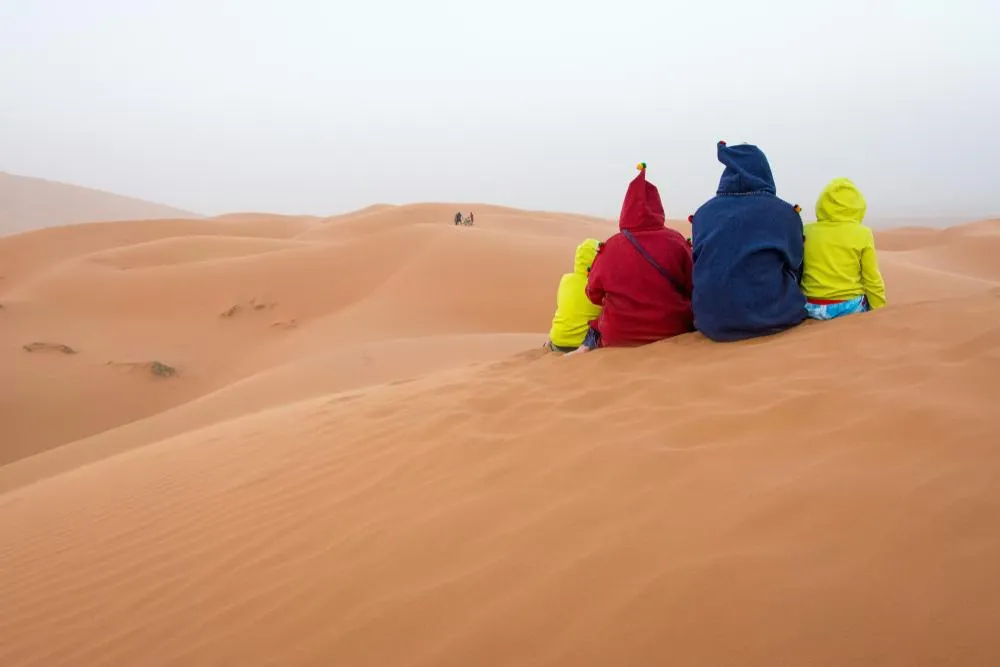
Many families travel to the Moroccan Sahara every year
Yes. Morocco is a family-friendly destination and a total blast for anyone traveling with kids! It's going to be a family holiday that you'll never forget.
Moroccans are used to having large families, and traveling with children is a great way to connect with locals who'll be friendly and helpful to family groups in their country. Booking yourself into family-friendly accommodation is a good idea.
Before you go, just make sure your children are up to date with their vaccinations, that you have simple medications (rehydration sachets, diarrhea tablets), and make sure they don't drink tap water.
Also be sure to advise against petting stray animals and don't let your children stay in the sun for too long.
Is It Safe to Drive in Morocco?
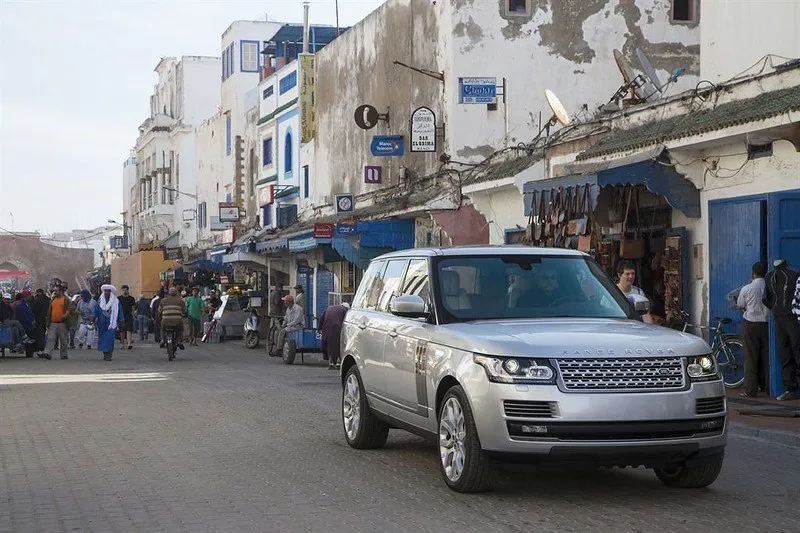
We do not recommend driving on Moroccan roads Photo credit: Land Rover MENA (Flickr)
If you are in the city, whilst you can rent a car or a motorbike, we don't recommend it.
Morocco's urban traffic is absolute chaos. These roads are filled with potholes, congested traffic, and super-aggressive drivers. In 2017, road accidents in Morocco accounted for 3.6% of all deaths in the country (compare that to 0.39% in the UK).
For these reasons, we'd advise only super confident and/or experienced drivers to drive in Morocco's larger cities.
That said, if you are looking to drive outside of the city, there are some incredible road trips to be had. If you find a reliable place to rent a car, and you're in Marrakesh, you should head out for a road trip on the Tizi N Tichka Pass—it's mostly empty and is an amazing way to see the countryside.
Is Uber Safe in Morocco?
Uber launched in Casablanca in 2015. However, after some difficulties, Uber was forced to suspend its services in the country. As of Winter 2019, it is not expected to return to Morocco anytime soon.
With no Uber, this means you'll be relying on taxis…
Are Taxis Safe in Morocco?
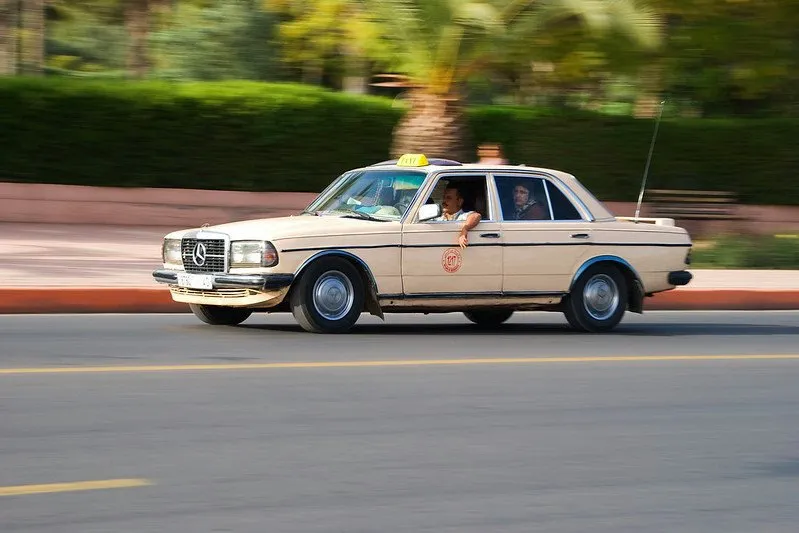
Taxis in Morocco are a convenient way to get around Photo credit: Anna & Michal (Flickr)
Taxis are one of the most frequently used modes of transport in any given Moroccan city. There are two main types:
- petite (small)
- grande (large).
Buses do operate, but most people hop into a petite taxi if they need to get anywhere in a city.
Taxis in Morocco are notorious for driving quickly and jumping traffic lights. Generally, they'll get you from A to B without mishap—just be prepared for a wild ride.
Also, please be aware that taxi scams can be very common. Agree on a price upfront, haggle hard, and stick to your guns.
Petite taxis are supposed to charge by meter, but they're known for pulling the old 'the meter is broken' scam. If this happens, point to the meter and say "la" (no), and if they refuse, take a picture with your phone—the thought of being reported to the licensing board may straighten them out.
They also might say they have no change (which is why small denominations are important) and also try to drop you at random places, so if possible try to keep a GPS app on your phone so you know where they're driving you.
You may also have to share taxis. When it comes to grande taxis, these will wait until they're full with more people than they have seats before they go. It can be squishy, but it's definitely an experience to add to your travel log. Grande taxis also charge per seat rather than by meter.
Learning a little bit of Arabic, Berber, or even French would also help a lot in any taxi-based situation, but at the end of the day, taxis in Morocco are quite safe… if not completely thrilling.
Is Public Transportation in Morocco Safe?
Easy answer—absolutely!
There's a train network in Morocco which is great for traveling long distances: it connects most of the major (tourist) cities nationwide. They're fast, they've got air-con, they're comfortable, and they're safe. You can check times online, meaning you know when you're going to arrive and can plan accordingly.
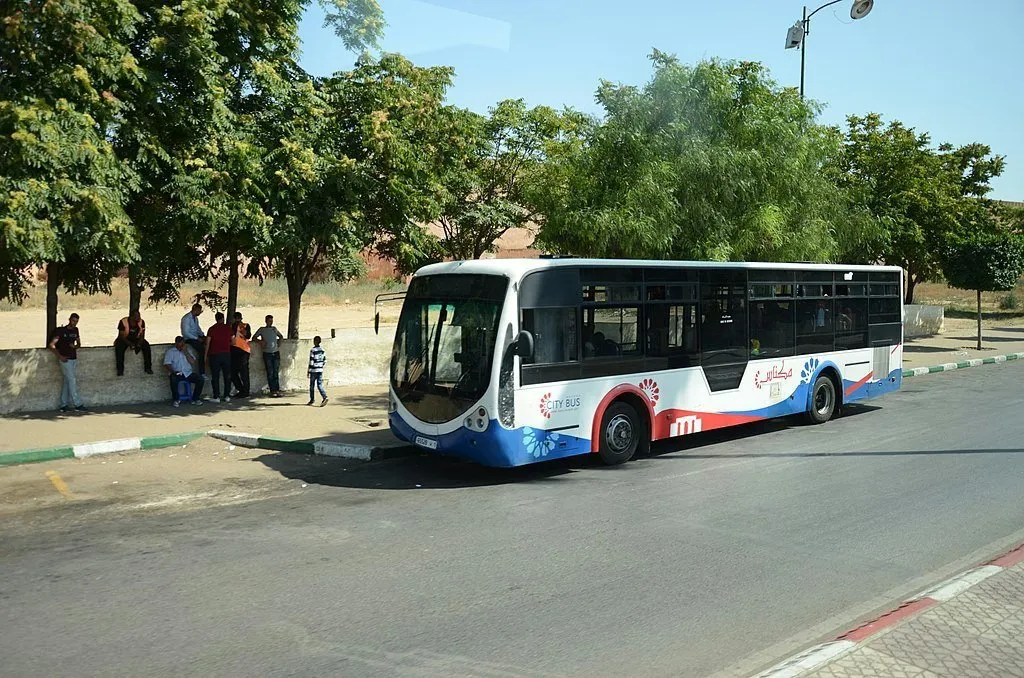
Public transport quality in Morocco can range greatly
Between Rabat and Casablanca, there are some pretty chic double-decker trains that will make you think differently about overnight train travel. For those nervous about overnight trains in general: fear not. Plenty of women travel solo on these trains, with children, too—and there are even women-only cabins.
Be aware that train stations are where you'll find a lot of salesmen trying to get you in their taxis and on their tours before you've even had a chance to step foot around your point of arrival, so be prepared to say 'no thank you' a lot. But then again, there's often a bus station right next to the train station, so transit to your destination should be surprisingly efficient.
The bus routes in Morocco are extensive. The CTM buses, which can be booked online, have Wi-Fi and extra legroom for a spot of luxury.
Then there are the older buses. More affordable, sure, but the routes are hard to figure out and they're the type that just pick up and drop off as they go.
Unlike the trains, the conditions on the buses aren't always the best: they're overcrowded, and you may find yourself sat next to a dog or even a chicken. But generally, buses in Morocco are safe, if a slightly colorful, way to travel.
Is the Food in Morocco Safe?
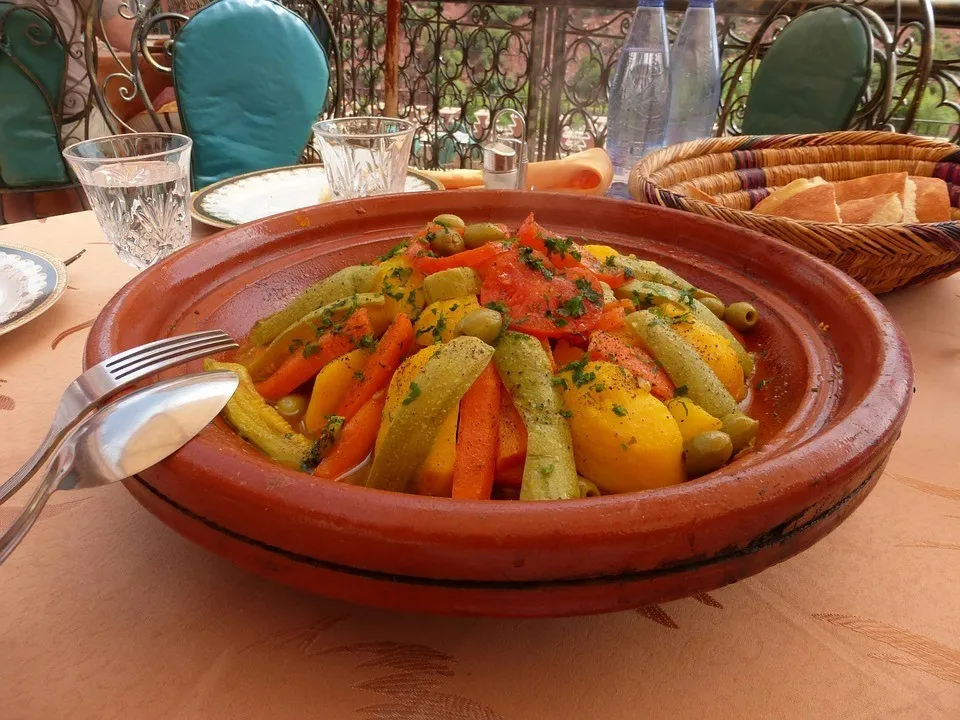
Food in Morocco is delicious!
Moroccan food is absolutely incredible. A trip to this North African country will have you on a culinary journey that'll have your taste buds tingling.
If you follow these guidelines, you should be able to eat your way around the country no problem. And you might want to practice the Moroccan custom of the right hand for eating, left hand for… well, you know (cleaning your butt; it's for cleaning your butt).
Eating Safety in Morocco
- Firstly, there are a lot of delicious-looking fruit and vegetables on offer at the markets. But you shouldn't really eat these raw unless they've been thoroughly washed or peeled. Otherwise, cooking them should be OK.
- Salads should always be approached with caution; if you don't trust the place you're ordering the salad from—if it doesn't look clean—be wary.
- Use your senses: if the food looks like it hasn't been cooked properly, or if it's been lying in the sun all day, try to avoid it.
- A good rule (for anywhere in the world) is to eat at places where a lot of people seem to be eating—locals in particular. Popular restaurants are less likely to have sanitation issues.
- Eating at food stalls is another great idea because you can watch the food be prepared and cooked in front of you—no surprises!
- Even in supermarkets, check the sell-by date. Old food might not be allowed on the shelves in your home country, but in Morocco's supermarkets, it seems things can slip through the net quite easily.
- And lastly, it's an oldie but a goodie: wash your hands. Forever and always.
- Traveling with an allergy? Research ahead of time how to explain your allergy. Keep in mind that store owners and restaurant staff might not know all the foods that contain allergens, so it's helpful to know the names of some of these too.
- If you're gluten-free, pick up a handy Gluten-Free Translation Card with descriptions of Celiac disease, cross-contamination risk, and local Moroccan ingredients in Moroccan Arabic.
Can You Drink the Water in Morocco?
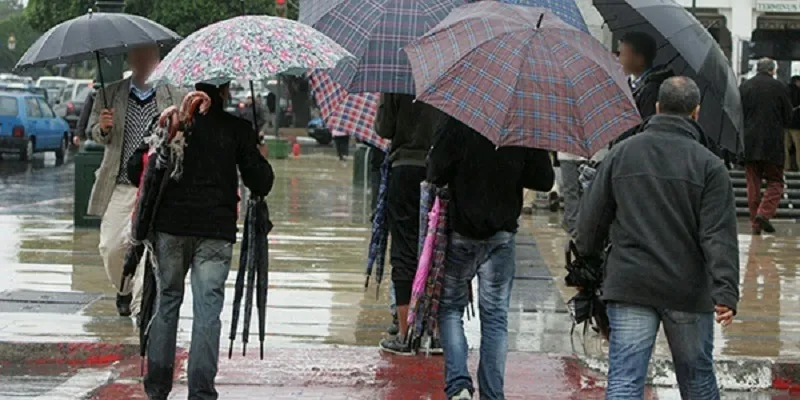
Well, definitely not that water!
Technically, tap water is MOSTLY safe to drink in Morocco, but it's still recommended that you don't risk it. The Prime Minister himself has stated that he drinks the tap water in Morocco and, generally, Prime Ministers (anywhere in the world) lie at a professional level. Regardless, the water is heavily chlorinated and treated.
That being said, Morocco is scorching hot, and you'll need to keep yourself hydrated. Do this by buying big bottles of water from supermarkets, streetside kiosks, and newsagents. Hotels usually have water filters for guests, and we highly recommend you try to refill bottles rather than buying new bottles because plastic is the worst.
If you're heading out for treks in the desert—or even if you're just walking around a city—take a good quality water bottle and water purification tablets. The water bottle can be used for anything, not just water, which is great if you need a little bit of sugar to keep you energized.
Is Morocco Safe to Live In?
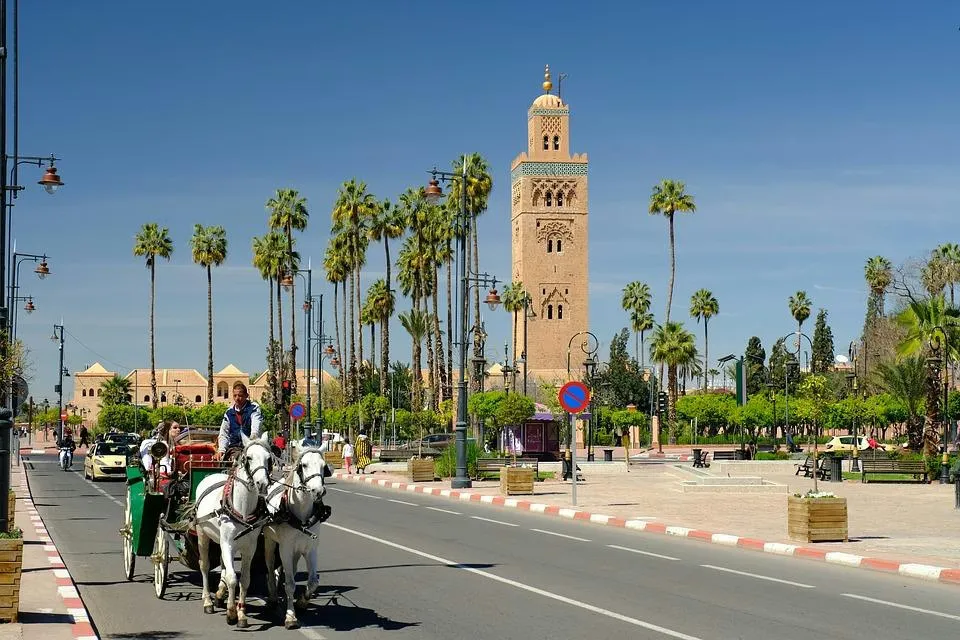
Once past the cultural change, Morocco is a beautiful place to live.
If you are thinking of making the move, don't worry: Morocco is a safe place to live and work. The number of foreign nationals living in Morocco is rising every year.
It might be a little bit of a culture shock, and you may struggle—as with making any move to any new country—but Morocco is very safe to live in.
A great tip? Integrate yourself into the local community and don't isolate yourself! Ideally, place yourself somewhere where you'll find home comforts or at least European familiarities. Base yourself in Casablanca (home to the largest portion of expats) or Rabat—this is also where you'll find the best jobs.
It goes without saying that learning at least some of the language, Arabic and/or French, is a must.
Is It Safe to Rent an Airbnb in Morocco?
Yes, renting an Airbnb is very safe in Morocco. You'll not only be protected through the booking platform itself, but you'll also get to choose from countless unique homes. Make sure to read the reviews and ratings before you book, so you can be 100% sure that your place will be safe.
Is Morocco LGBTQ+ Friendly?
There are no LGBTQ+ rights in Morocco, which makes it a dangerous country for members of this community. It's illegal to have same-sex relationships, and you can get fined or put into prison for anything between six months to three years. We wouldn't recommend visiting Morocco with a partner if you're a part of the LGBTQ+ community UNLESS you keep your affection and relationship well hidden.
FAQs on Morocco's Safety
Planning a safe trip to Morocco can get very overwhelming. To help you out, we've listed and answered the most frequently asked questions so you can have a safe trip to Morocco.
What Should You Avoid in Morocco?
These are the things that you shouldn't do when visiting Morocco:
– Disrespect ANY religion. Just don't. – Don't wear beachwear anywhere else apart from the beach in Morocco. – Don't walk around by yourself at night – Avoid walking in back alleys
Is Morocco Safe for First-Time Travelers?
While Morocco is generally pretty safe, visiting as a first-time traveler can be completely overwhelming and stressful. You'll need to know how to say no to people, use your common sense, and spot a scam from miles ahead. Therefore, we wouldn't recommend Morocco for inexperienced travelers.
Is Morocco Safe at Night?
If you are a female traveler, this is a clear no. Male travelers can walk around the main tourist areas at night, but it's still not recommended. If possible, stay at home or when going out, stick with a large group, and don't wander off.
What Are the Safest Cities in Morocco?
The safest cities in Morocco are Marrakesh and Essaouira. While both have their own unique safety issues, they're overall very safe. Pickpocketing is common in Marrakesh, and the strong waves in Essaouira might become dangerous to surfers and swimmers, but apart from that, there's hardly anything to worry about.
So, Is Morocco Safe?
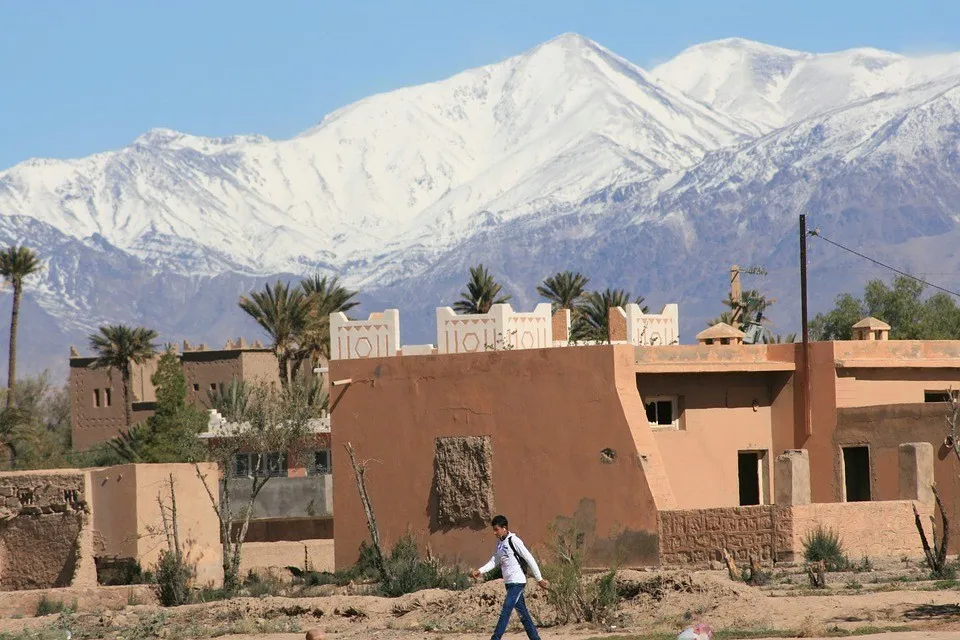
Overall, if you use your wits, Morocco is a safe country to travel to.
Yes! Morocco is safe to travel. It is one of the most amazing, dazzling, (and sometimes frustrating) countries in the world.
Whether you are a solo female looking for a backpacking trip, a family looking for a weekend holiday, or are thinking about moving to Morocco, you will be pleased to know that while it has its downsides, Morocco is a safe and wonderful country to experience.
With the help of this safe guide for Morocco, you'll be able to easily know exactly how to stay safe while visiting so you can spend less time worrying and more time exploring this incredible destination.
And, if you're heading to Marrakesh, we have a safety guide for there too!
Disclaimer: Safety conditions change all over the world on a daily basis. We do our best to advise but this info may already be out of date. Do your own research. Enjoy your travels!
Nawwwww, it's so safe!