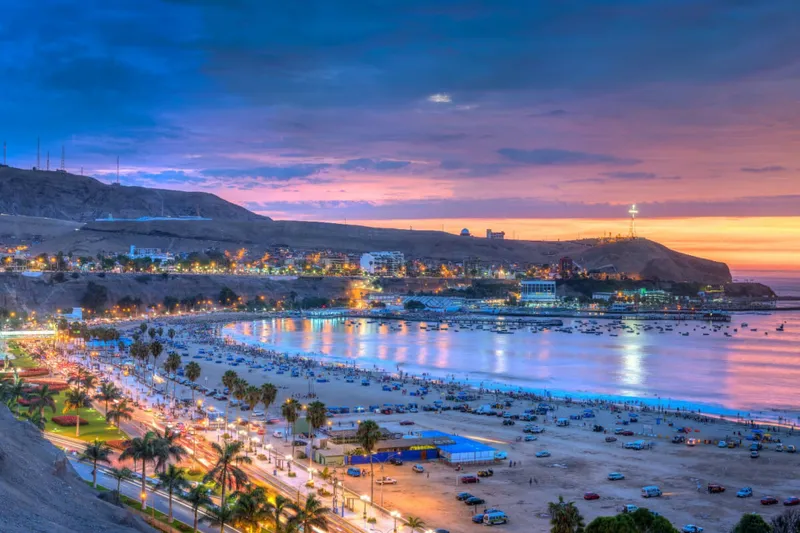
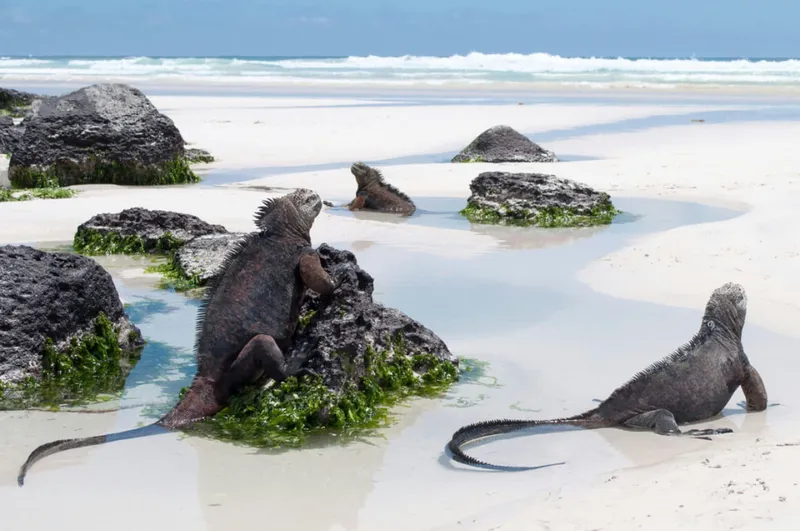
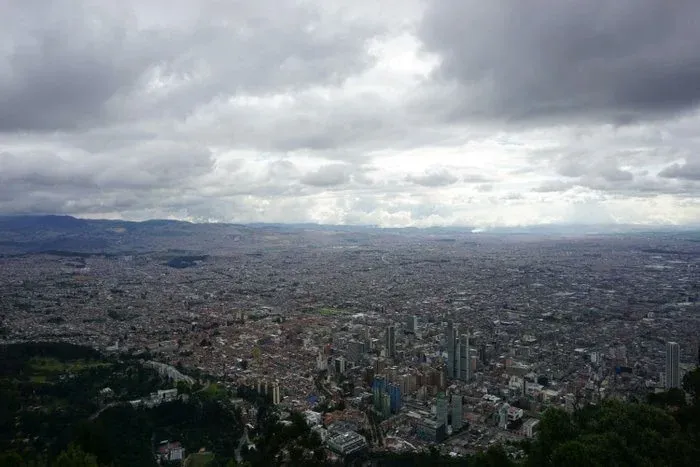
Peru offers stunning variety—from towering Andean peaks to deep Amazon rainforest—along with colonial architecture and the famed Inca ruins of Machu Picchu. It’s an unforgettable destination.
Yet Peru does have its hazards: political corruption, extreme weather, dangerous wildlife, treacherous mountain roads, insurgent groups, and drug traffickers all exist. These realities may leave you asking, “Is Peru safe?”
Your concern is valid. This insider’s guide aims to ease your worries with practical advice on how to stay safe in Peru. We focus on traveling smart, so here are key pointers to help keep your trip trouble-free.
There’s a lot to cover: whether it’s safe to visit right now (given ongoing political issues), family travel safety, driving safety, and more.
You might be a first-time solo traveler anxious about a solo trip. Perhaps you’ve heard about the cuisine and wonder if the food is safe. Or you’re just generally uneasy about Peru.
Don’t worry—this guide has you covered. Vamos.
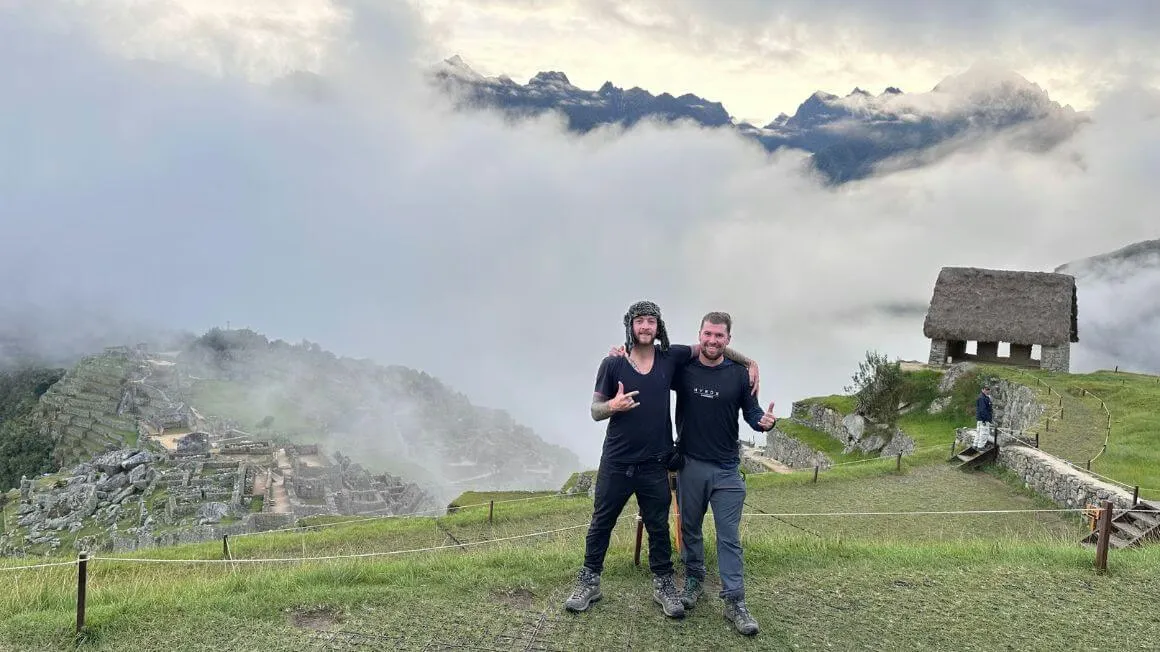
Just watch out for these two dodgy geezers!
Is Peru Safe to Visit Right Now?
According to World Bank data, Peru welcomed 5,275,000 international visitors in 2019. Tourists generally had positive experiences.
Peru is a popular stop on the South American backpacking circuit. Who wouldn’t want to see Machu Picchu?
Tourism is a major industry thanks to the incredible sights and activities: adventure tourism, beaches (like in Piura), history, and abundant eco-tourism make it appealing to all types of travelers.
That said, Peru isn’t problem-free. Crime occurs as it does everywhere, but in Peru you may be targeted specifically because you’re a tourist—visitors are often perceived as wealthy.
Theft, mugging, pickpocketing in crowded areas, and corruption (from police to tour agents) can make Peru feel intimidating. So can drug trafficking gangs and political demonstrations that turn violent.
Traveling smart increases your chances of staying safe. Avoiding looking like a complete tourist helps you not become a target for street crime. Being aware of your surroundings also pays off—literally.
Choose your travel dates wisely. Peru’s rainy season can be devastating, bringing floods, power outages, and landslides—all unsafe. Try not to travel between November and April.
Apart from political issues, it’s generally as safe a time as any to visit. Lima, in particular, has become safer in recent years—it used to account for a higher share of the country’s crime.
Check out our detailed where to stay guide for Peru to start your trip right!
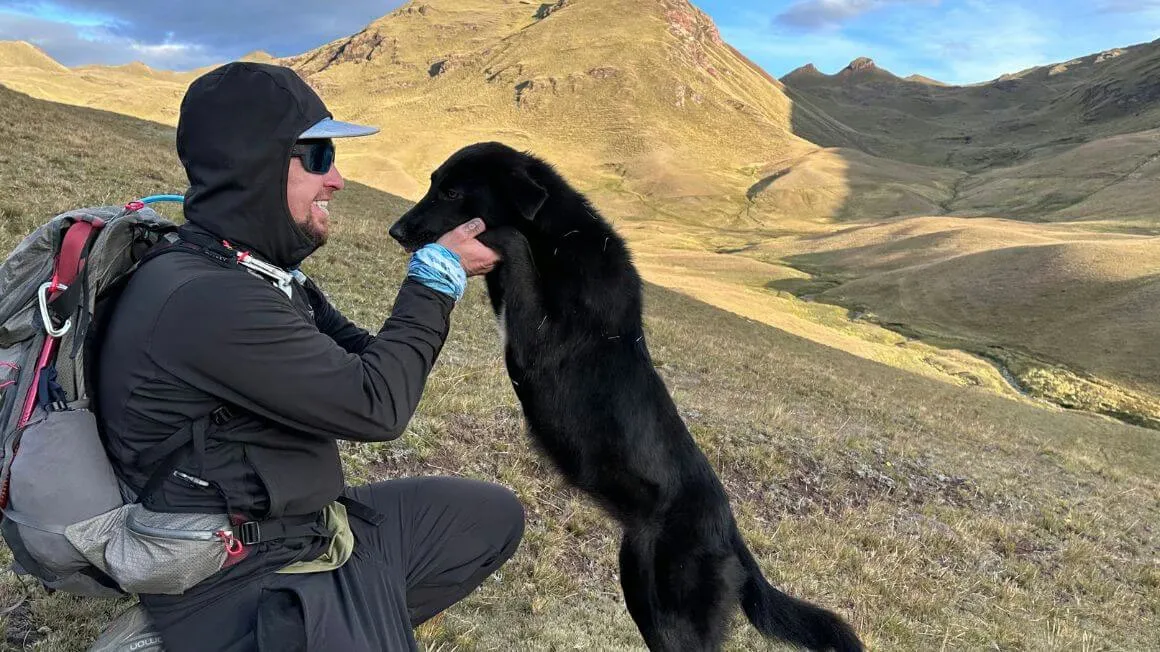
A fearsome pooch!
Safest Places in Peru
When choosing where to stay in Peru, research and caution are essential. You don’t want to end up in a sketchy area and ruin your trip. Below are some of the safest areas to visit.
Arequipa
Arequipa is one of Peru’s safest places. It offers a laid-back alternative to Lima and Cusco, making it great for families. While caution is needed everywhere in Peru, Arequipa has a calmer atmosphere, letting you relax a bit more.
Chiclayo
Often called a smaller Lima, Chiclayo offers great nightlife and a culinary scene comparable to Peru’s metropolitan areas without the overwhelming crowds. That easily makes it one of the coolest AND safest places to stay in the country.
Huancayo
Peru is one big adventure destination—but I love Huancayo for its off-the-beaten-path feel. As a relatively unknown destination, Huancayo is also inexpensive and safe—a great option for adventurous budget travelers backpacking through Peru.
Places to Avoid in Peru
Unfortunately, not all places in Peru are safe. You need to be careful and aware of your surroundings anywhere in the world, and the same goes for Peru. Below are a couple of no-go or caution areas:
- Sacsayhuaman ruins – known for muggings after dark. Avoid walking outside at night!
- Huallaga Valley – Cocaine is still produced here… a real no-brainer to stay away from.
- Lima (at least certain parts) – while I personally don’t think Lima’s safety is as big a deal as everyone claims, it pays to be more careful when visiting the city.
Keeping Your Money Safe in Peru
One of the most common travel mishaps is losing your money. And the most annoying way for that to happen is when it’s stolen from you.
Petty crime is a problem worldwide.
The best solution? Get a money belt.
Avoid these dudes – the notorious lords of crime in Peru
15 Top Safety Tips for Travelling to Peru
Many tourists visit Peru and have a trouble-free time. It’s all about being aware of your surroundings. Here’s a round-up of the best travel tips for staying safe in Peru.
- Don’t wear flashy clothes, accessories or jewellery – looking rich makes you a target.
- Try not to look lost – even if you are! Looking like a tourist also makes you a target…
- Avoid wandering at night – especially alone, especially in major cities.
- Be aware of thieves’ techniques.
- Stick to well-trodden routes near the Ecuadorian border – because of landmines.
- Learn some local lingo – Spanish, of course.
- Use ATMs during the day… preferably inside a bank – these are hotspots for muggings.
- Always keep an emergency stash of cash – Never keep all cards/currency in one place. Hide it all from thieves with a hidden money belt.
- Only drink what you buy and watch it when you’re out – drink spiking happens.
- Be careful with ayahuasca ceremonies – proceed with caution.
- Stay away from protests and demonstrations – these can turn ugly.
- If someone demands your money, give it to them – in a mugging, just hand it over.
- Be vigilant in main coca growing regions – steer well clear.
- Don’t trek alone – having a buddy is 10x better.
- Choose a good, well-reviewed tour operator – saving money on bad, unsafe trips isn’t worth it.
- Carry a good medical kit – you never know when you might need it!
- Watch the news – politics can change, natural disasters can happen; stay informed!
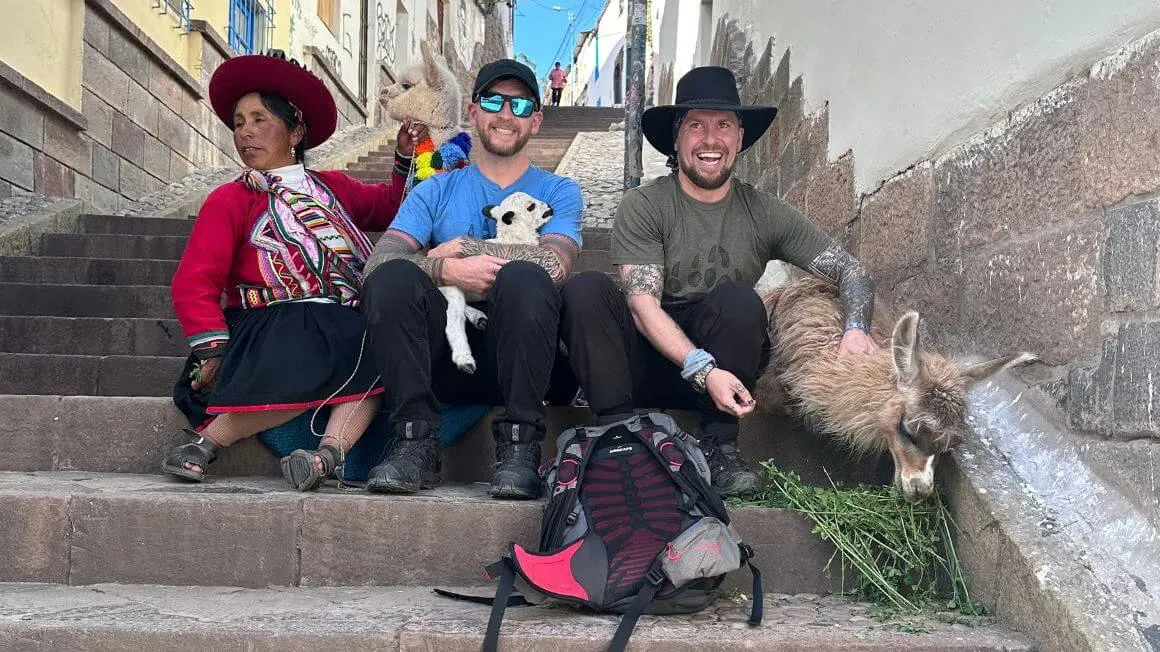
Watch for fast hands!
Staying safe requires good judgment, research, caution, and attention to your surroundings. That’s it.
Is Peru Safe to Travel Alone?
Good news: Peru is safe to travel alone. It’s actually quite popular for solo travel.
As long as you travel smart, you’ll love solo traveling here. Here are my top tips for solo travelers in Peru…
- Make friends! In Lima, Pisco, Arequipa, Cusco, you’ll find plenty of opportunities at local hostels and meet awesome people to travel with. Safety in numbers.
- Plan, plan, plan, and then plan more. If you’re worried about traveling alone or safety, planning is the best way to stay safe.
- Be open-minded—a good approach for solo travel, albeit with caution. But being closed off and keeping to yourself isn’t what solo travel is about.
- Learn some Spanish—it opens up the country. It’s fun and locals appreciate it.
- Stay alert to what’s happening around you. Someone might fall in front of you, drop something, or try to give you something—these could be scams.
- Heed government warnings. Check weather and crime warnings for the area.
- Don’t walk around at night. Never a good idea!
- Never leave food or drink unattended. No one is safe from spiking—yes, men too.
- Check hostel reviews. The best hostels in Peru aren’t always the cheapest.
Being open to meeting new people while trusting your gut will likely make your trip safe and unforgettable.
Is Peru Safe for Solo Female Travellers?
Traveling solo is one thing, but solo as a woman is different. Unfortunately, there’s always more to consider when traveling alone as a woman.
However, Peru is generally safe for solo female travelers, if you keep these tips in mind.
- Don’t walk alone at night, especially in Lima. Women alone are targets worldwide—particularly at night. Just don’t do it.
- Get a local or travel SIM card. Always a good idea. Stay connected.
- Stay at well-reviewed hostels in Peru. Check that reviews mention it’s good for solo travelers and see if they offer female-only dorms. Hostels are great places to meet people.
- Machismo is part of Peruvian culture. Street harassment happens, usually catcalling. Also, women in Peru don’t typically go out to bars, so because you’re breaking Peruvian social norms, you’ll get attention from locals.
- When catcalling happens, ignore it.
- There are no set ‘rules’ on what to wear to avoid attention, but the less revealing, the better.
- Think of ways to deflect sexual advances. For example, say you’re “married.”
- Be careful about giving out your information. No matter how friendly they seem, the risk is real.
- Stock up on sanitary products. You won’t find them in remote areas.
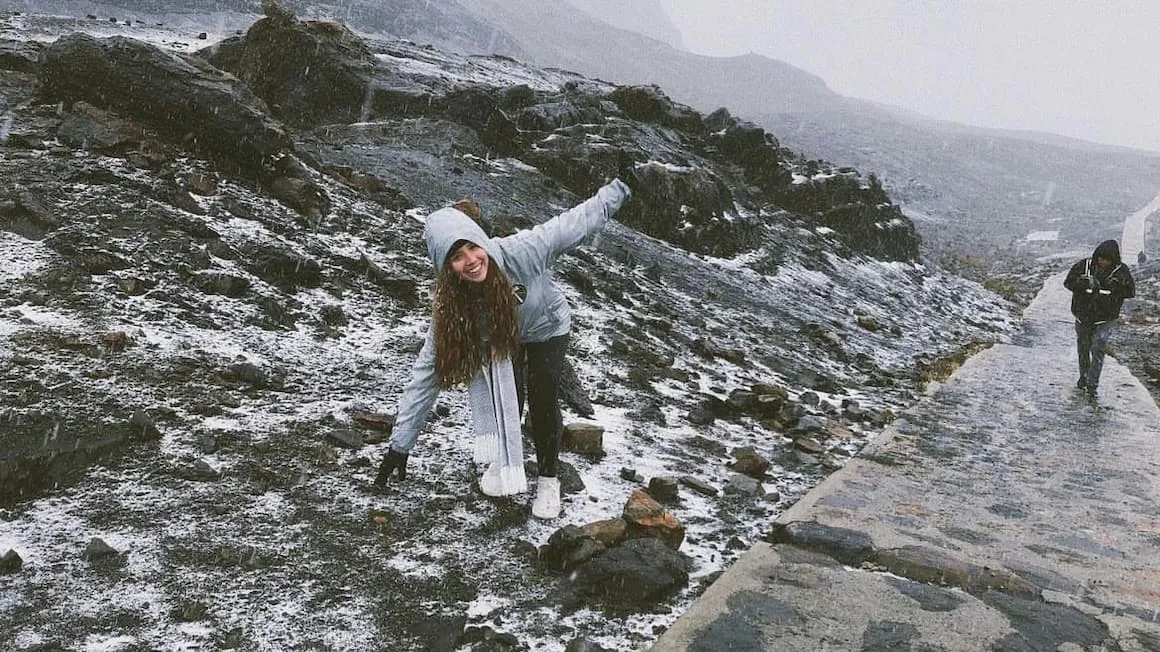
I met so many solo female travellers in Peru!
While chauvinism is a real issue and can be intimidating, overall Peru is still safe for solo female travelers. Peruvian society generally protects women traveling alone. Plenty of women backpack through Peru without issue.
Where to Start Your Travels in Peru
White City: Arequipa
Arequipa is a safe, affordable, and laid-back place that fits every traveler’s needs. Attractions and adventures can be found inside and outside the White City.
Is Peru Safe for Families?
Peru is an amazing place to travel with children. That doesn’t mean it’s always safe, but many families do make the trip and love it.
That said, it’s probably better with older children who can appreciate historical sights. Trekking in the mountains is hard on little legs—and harder on you if you carry them. Take the Machu Picchu hike: worth it, but requires fitness.
To limit stress and keep the family happy, consider these tips for managing children.
- Peru can get hot! Consider heat exposure.
- Altitude sickness can be serious; it’s really not recommended to take children under 3 to high elevations. Treat altitude sickness seriously.
- In the Peruvian jungle, yellow fever is a risk. Very young children—under 9 months—shouldn’t travel there at all (the yellow fever vaccine isn’t given until after that age).
- Malaria is also a danger, but you can take precautions.
- Don’t let your children pet or approach street dogs. This is NOT safe!
- Staying at an upmarket resort is usually safer and helps limit many of these issues.
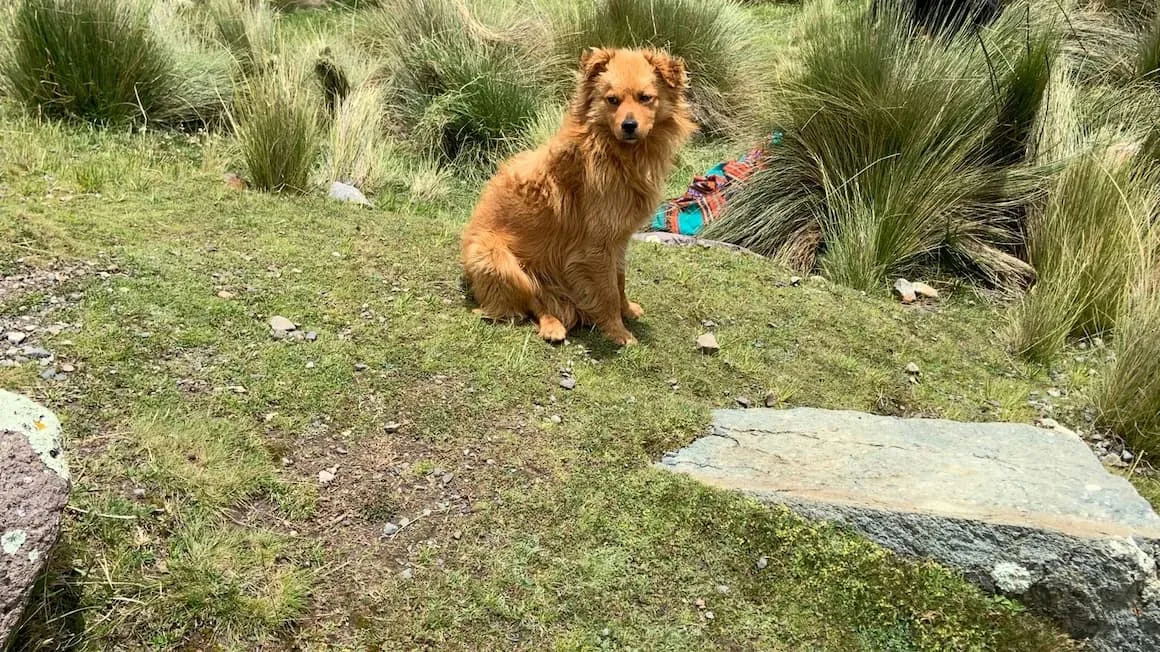
The strays in Peru are cute tho
If you’re after adventure and want your children to share it, Peru is safe for families. Ultimately, it’s safer and less stressful the older they are—maybe 7 and up.
In Peruvian culture, family and children are very important. This helps you connect with locals more easily and enjoy your time even more.
Getting Around Peru Safely
There are many ways to travel around Peru, but some are safer/easier than others.
Is Driving in Peru Safe?
While you CAN hire a car and use it in main cities, I wouldn’t.
The rainy season can cause landslides and flooding, making roads inaccessible. Oh, and corrupt police stops? They happen, a lot.
The short answer: no. Driving in Peru is not safe.
Are Taxis/Uber in Peru Safe?
All real taxis in Peru have a taxi sign on the roof. Check the license plate too—it should be all white with a yellow bar on top.
Before getting in, agree on a price. Haggling is okay. In conclusion, taxis in Peru are safe if you take necessary precautions.
Uber is available in Lima—that’s it. Is Uber safe in Peru? Yeah, but not great.
They’re often more expensive than taxis and the cars are shabby. Better choices are alternative rideshare apps like Cabify.
Public Transportation in Peru
I wouldn’t say buses in Peru are safe. Sometimes, however, bus travel is unavoidable to get where you’re going.
City buses are the main public transport for most urban locals. There are also many long-distance buses. Research these seriously—accidents happen often.
Peru also has trains. They run on high-altitude tracks and are pretty cool and fairly safe. Main routes: Cusco to Machu Picchu, Cusco to Puno, and in the north, Lima to Huancayo.
If you stay in a hostel in Cusco, you won’t need much public transport—everything’s close.
Cycling in Peru
Cycling and bikepacking in Peru is actually quite safe—and popular! Bike lanes (ciclovias) exist in some tourist areas of Lima.
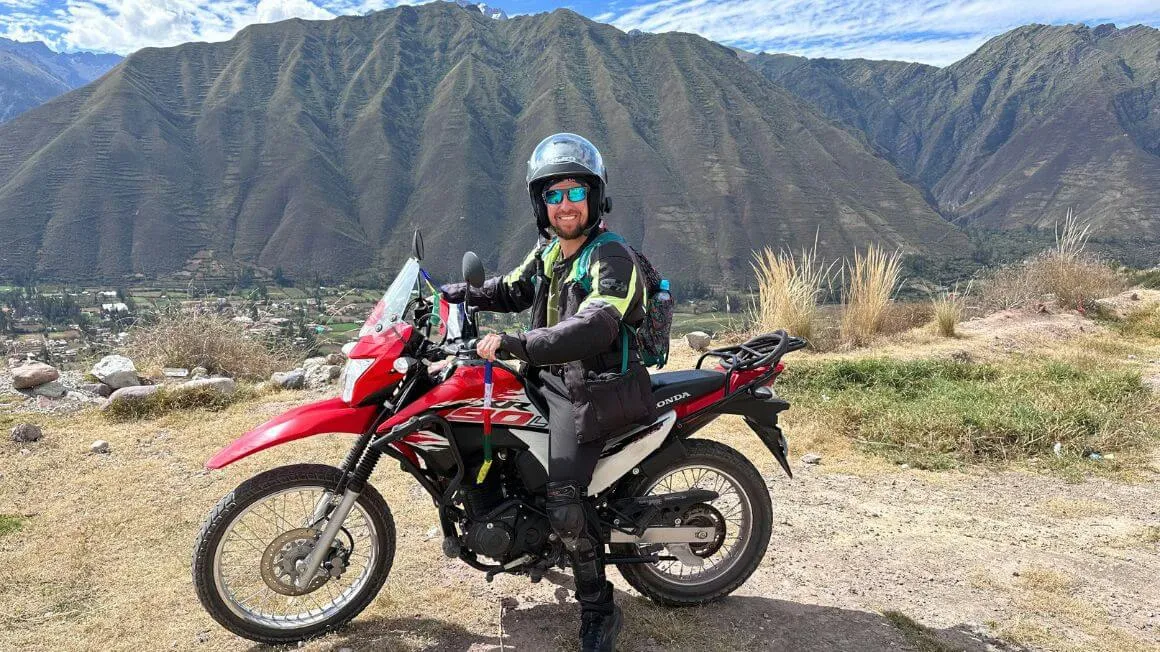
Be careful on the road
So there you have it. Taxis aren’t the safest, but the best option in my opinion. Beats walking, I guess.
Crime in Peru
The US Travel Advisory for Peru suggests exercising increased caution (Level 2). It states that petty crime, theft, carjackings, and some violent crimes like assault are common in Peru.
While true, remember that tourists are rarely targets of violent crime. Petty theft and scams are what to watch out for.
Of course, crime increases at night. If worried, don’t wander after dark—especially under the influence.
I’m from the UK, so I use the UK GOV site to check safety measures when traveling. Wherever you’re from, I recommend using multiple countries’ sites to get a good idea of what to expect.
The UK GOV site for Peru emphasizes following laws, especially drug laws. Another top tip: always carry ID.
Do your own research before visiting Peru AND keep up to date while there. Check with the Peruvian government and local authorities on crime statistics, monitor local media, and seek local advice. If you experience crime, contact local police.
If you’re planning an ayahuasca trip, be very f*kin careful.

Delicious-ey goodness at an ayahuasca ceremony!
What to Pack For Your Peru Trip
Everyone’s packing list differs, but here are a few things I’d never travel to Peru without…
Hanging Laundry Bag
Trust us, this is a game changer. Super compact, a hanging mesh laundry bag stops dirty clothes from stinking. You don’t know how much you need one—just get it, thank us later.
Head Torch
A decent head torch could save your life. For exploring caves, unlit temples, or finding the bathroom during a blackout, a headtorch is a must.
SIM card
Jetpac is a premier eSIM service provider catering to travelers’ mobile internet needs.
Monopoly Deal
Forget Poker! Monopoly Deal is the single best travel card game we’ve ever played. Works with 2-5 players and guarantees happy days.
Money Belt
This is a regular-looking belt with a concealed pocket inside—you can hide up to twenty notes and wear it through airport scanners without setting them off.
FAQs about Staying Safe in Peru
So, how dangerous is Peru? Here are quick answers to common questions about safety aspects in Peru.
What is the most dangerous city in Peru?
Statistically, Lima is the most dangerous city in Peru. The crime rate is relatively high, but most crimes target locals. The safest cities in Peru are Lima and Cusco. That sounds odd—the safest and most dangerous city is Lima—but it depends on where in the city you are.
Is it safe to go to Machu Picchu?
Apart from heat and high altitude, visiting the Inca Trail and Machu Picchu is pretty safe. It’s best to find a reliable guide if hiking. Take plenty of water and snacks to stay energized.
Can you drink the water in Peru?
Nope. Don’t drink it. No ice cubes, no nothing.
The safest bet is always bottled water. However, you can boil water to purify it—a couple of minutes will suffice. Note that, due to atmospheric pressure, water takes longer to boil at higher altitudes. DRINK INCA KOLA INSTEAD 😉
Is Peru safe for American tourists?
Yes, of course. SO many American tourists visit Machu Picchu on the Inca Trail every year. I also get “Is Peru safe for tourists?” Peru is safe for the majority of tourists. Check your country’s travel advice—for US nationals, check the up-to-date US Travel Advisory site.
Is Peru safe to live in?
Yes, it’s safe to live in Peru, and many backpackers and budding professionals do so.
If you love the landscapes, food, and people, it’s likely a dreamy destination for you. You’ll often be seen as a gringo—that is, rich. Being targeted for scams is common.
So, How Safe is Peru?
Yes, Peru can be very safe—IF you’ve done your research and keep our travel safety tips in mind. If you go looking for trouble in Peru, you’ll find it. However, it can also be avoided easily.
The best way to stay safe in Peru is to travel smartly. If you listen, you’ll dodge shady taxi drivers, thieves, gang violence, political unrest, all of it.
By covering your back and having proper security nets, you’ll enjoy backpacking in Peru even more. Stay hydrated, don’t push yourself, meet good people, and have fun.
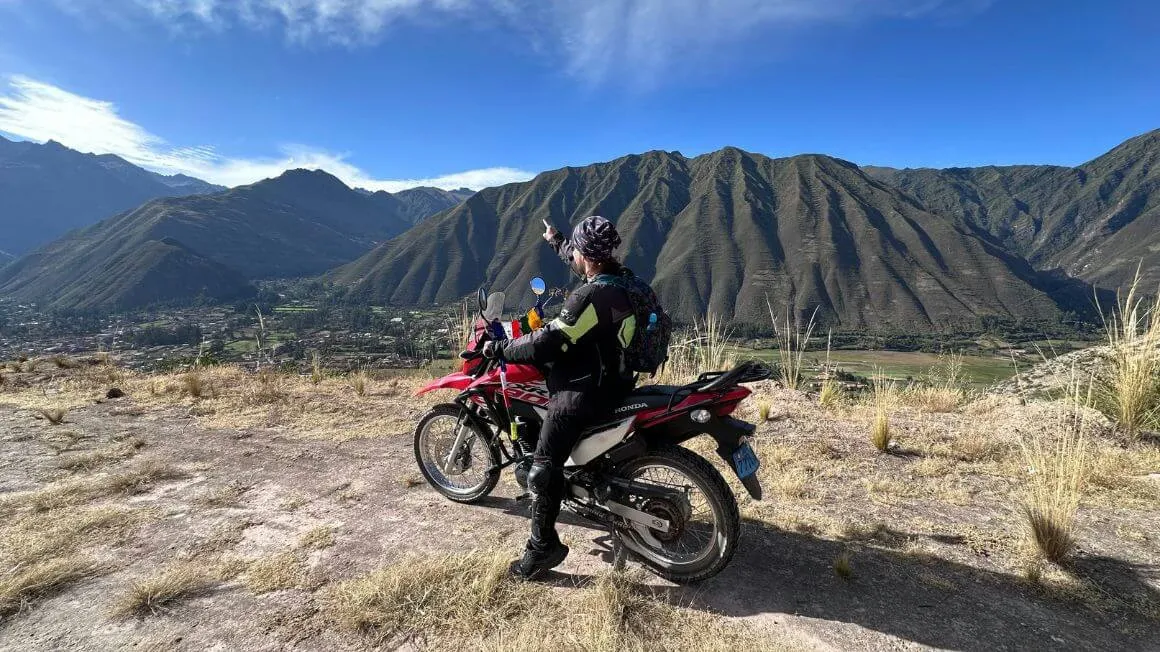
Enjoy Peru!
Looking for more info on traveling to Peru?
- Let me help you choose where to stay in Peru
- Plan the rest of your trip with our fantastic backpacking Peru travel guide!
- Get inspired by these EPIC bucket list adventures
- See exactly how to travel the world for a year, even if you’re broke
- Take a look at my expert travel safety tips learned from 15+ years on the road
Disclaimer: Safety conditions change all over the world on a daily basis. We do our best to advise but this info may already be out of date. Do your own research. Enjoy your travels!