Introduction
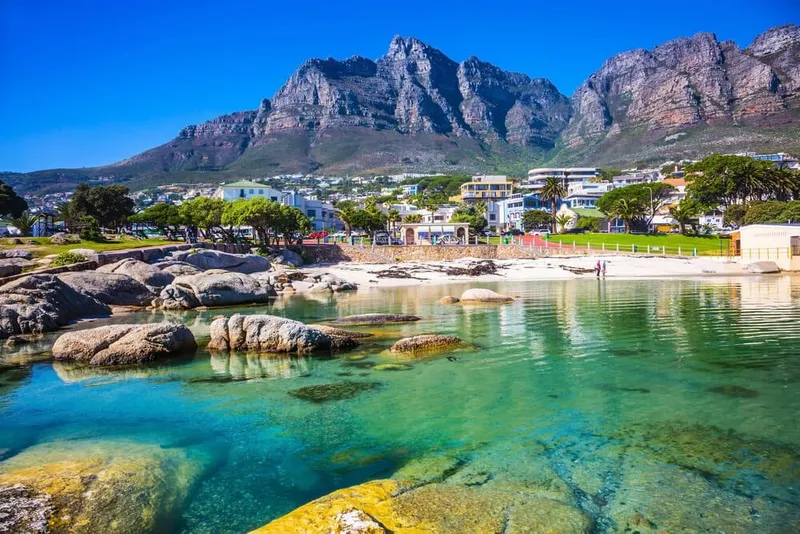
Cape Town, often called the Mother City, delivers an unforgettable experience for backpackers. As Southern Africa’s most visited city, it draws travelers with its dramatic setting between Table Mountain, Devil’s Peak, and Lion’s Head. This coastal metropolis blends high-income and low-income areas and ranks among the most multicultural cities in the world.
Its famous landmarks—the harbor, Cape Point, and its location within the Cape Floristic Region—make it a captivating destination. Fortunately, South Africa’s affordability and numerous free natural attractions mean you can explore Cape Town on a tight budget. This guide provides what you need to navigate the city without overspending.
I’ve updated all the details after a recent week-long visit. Here you’ll find:
- How to reach one of the world’s most beautiful cities.
- Where to see penguins, visit Nelson Mandela’s former prison cell on Robben Island, and enjoy many other experiences.
- Essential logistics and, perhaps most importantly, safety information.
Whether you love coasts and diving, mountains and hiking, or city life and dining, Cape Town suits backpackers. Let’s dive in.
What Does Backpacking Cape Town Cost?
If you’re a strict budget traveler or simply enjoy affordable trips, you’re in the right place. For most visitors—though regrettably not for many South Africans—foreign currencies stretch far against the South African Rand (R). In short, your money goes a long way in Cape Town.
Generally, accommodation, food, and transport are cheap. A daily budget of $70–80 buys a comfortable day, but you can spend much less if you skip restaurant meals and expensive wines. Still, it’s worth setting aside some funds for South Africa’s excellent wines—if not here, where?
Typical Costs for a Cape Town Trip
Below is an up-to-date breakdown for your budget:
Daily Budget in Cape Town
| Expense | Our website | Frugal Traveler | Creature of Comfort |
|---|---|---|---|
| Accommodation | $14–20 | $21–30 | $50–80+ |
| Food | $7–12 | $13–20 | $25–50+ |
| Transport | $0–6 | $12–20 | $21–30+ |
| Nightlife | $0–5 | $6–10 | $15–20+ |
| Activities | $0–15 | $20–30 | $40–80+ |
| Totals per day | $21–58 | $72–110 | $141–240+ |

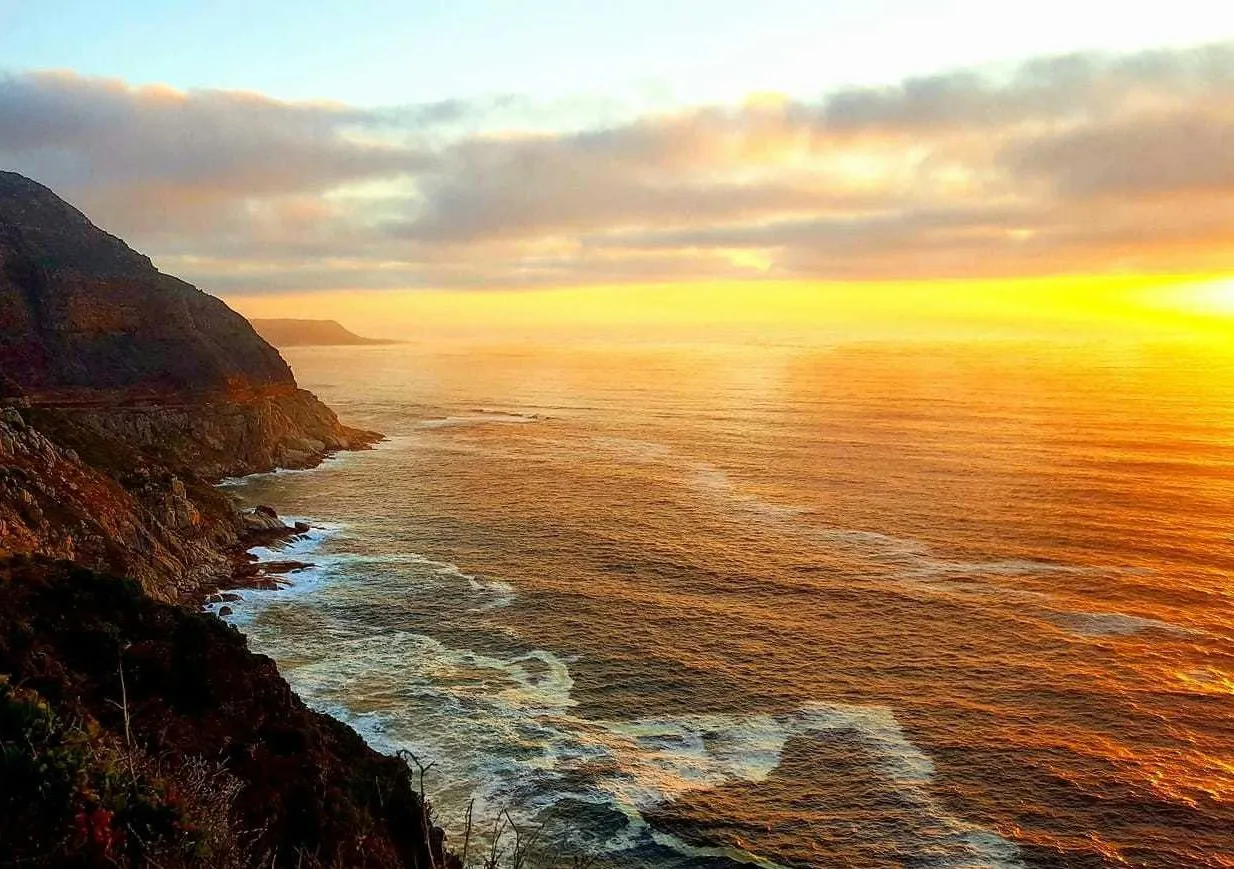
Chapman’s Peak
Budget Tips for Cape Town

Cape Town is easier on the wallet than many top city destinations. Even so, some local advice helps keep you on the economical track. Here are a few pointers:
Uber: The safest and best way to get around. Bolt also operates, but its vetting system is weaker, and safety matters here—so choose Uber. From the airport to main areas costs about $13; city trips run $5–10; and a ride to the Stellenbosch wine region is around $25. Always use Uber at night.
Free Walking Tours: A great way to discover the city. There’s no fee, but guides rely on tips—tip as you see fit. Guides are knowledgeable, and several routes showcase the city from different angles.
Hike Around Cape Town: Hike Lion’s Head and Table Mountain for free. (The Table Mountain Cableway offers free return rides on your birthday; otherwise it costs $25.) Beyond these, many more remote trails are worth exploring, but going with a local guide is strongly advised. Several hikers have been attacked in recent years, and areas away from popular spots carry higher risk.
Stroll the Sea Point Promenade and wander the V&A Waterfront. Watch the sunset from Signal Hill or visit one of the city’s many beaches. See the murals and graffiti in Woodstock. Take in the view from Chapman’s Peak or walk through local parks and forests.
Markets: Cape Town has plenty of markets, especially food markets. Entry is free, live music by local musicians is common, and food prices are excellent. Check out the Old Biscuit Mill, Bay Harbour Market, Oranjezicht City Farm and Market, and Mojo Market.
Drink Hacks: Try happy hour for up to 50% off drinks or two-for-one specials at local bars. Starting early usually means lower prices. Most happy hours run 4–7pm. Many wine estates offer good-value tastings, and some liquor stores offer free tastings. Wine Concepts has daily in-store tastings at no charge—great for bargain hunters.
Pack a travel water bottle: Save money and reduce waste every day. Stop buying bottled water.
Where to Stay in Cape Town
Cape Town has many distinct neighborhoods, each with its own character. Hostels (called backpackers) exist in nearly every area, and there are also plenty of alternatives if you want private space.
Below are a few districts where you can rest your head. The V&A Waterfront is the safest area but not budget-friendly; other good options exist.
Green Point: Home to the 2010 FIFA World Cup Stadium, this area hosts sporting events and concerts. It’s a trendy residential neighborhood within walking distance of the Waterfront and Sea Point Promenade. I stayed here for two weeks and mostly felt safe. Avoid going out after dark and you’ll be fine.
Central Business District (CBD): Once primarily for business travelers, the CBD now attracts shoppers, coffee lovers, bar-goers, and diners. Hip Bree Street and famous Long Street are here. It can be a bit dodgy, though—thieves like this area at night.
Woodstock: An artsy, up-and-coming area similar to Brooklyn, NY. Known for street art and the Old Biscuit Mill.
Observatory: “Obs” blends art, urban life, and rich culture. It offers cool nightlife, coffee shops, and second-hand stores, and is close to just about everything. A great place to base yourself for a few nights.
Best Areas to Stay
For more inspiration, see our Cape Town Neighborhood Guide.
First-Time Visitors: Gardens
Gardens is an inner-city suburb next to the CBD. Laid-back yet full of things to see and do, it’s close to major attractions and nightlife while offering a more local feel.
Nightlife: CBD
The CBD is Cape Town’s busiest and most vibrant area. With plenty to do day and night, it’s also the best neighborhood for nightlife.
Families: Camps Bay
The sandy beach, many restaurants, street entertainers, and fun activities make this one of the best areas for families.
For more places to stay, see our full list of backpacker hostels in Cape Town.
Top Things to Do in Cape Town
1. Hike to the Top of Table Mountain
If your itinerary is short, include a hike to the top of Table Mountain. This flat-topped landmark offers stunning views of Cape Town. Enjoy the wildlife along the trail. At 1,067 m (3,501 ft), the cableway provides a relaxing way down.
2. Tour Robben Island
Tour the political prison on Robben Island. Former inmates serve as guides, sharing the true story of victims of political oppression. Robben Island’s most famous prisoner, Nelson Mandela, became South Africa’s first black president and a leader of the civil rights movement. Tours leave from the V&A Waterfront; ferry tickets should be bought in advance for about $38.
3. Sunrise or Sunset on Lion’s Head
Hike above the city skyline to the top of Lion’s Head. You’ll get impressive views of the sea, city, and Table Mountain—bring your camera. Rising above the clouds is special, and this is a remarkable spot for sunrise or sunset.
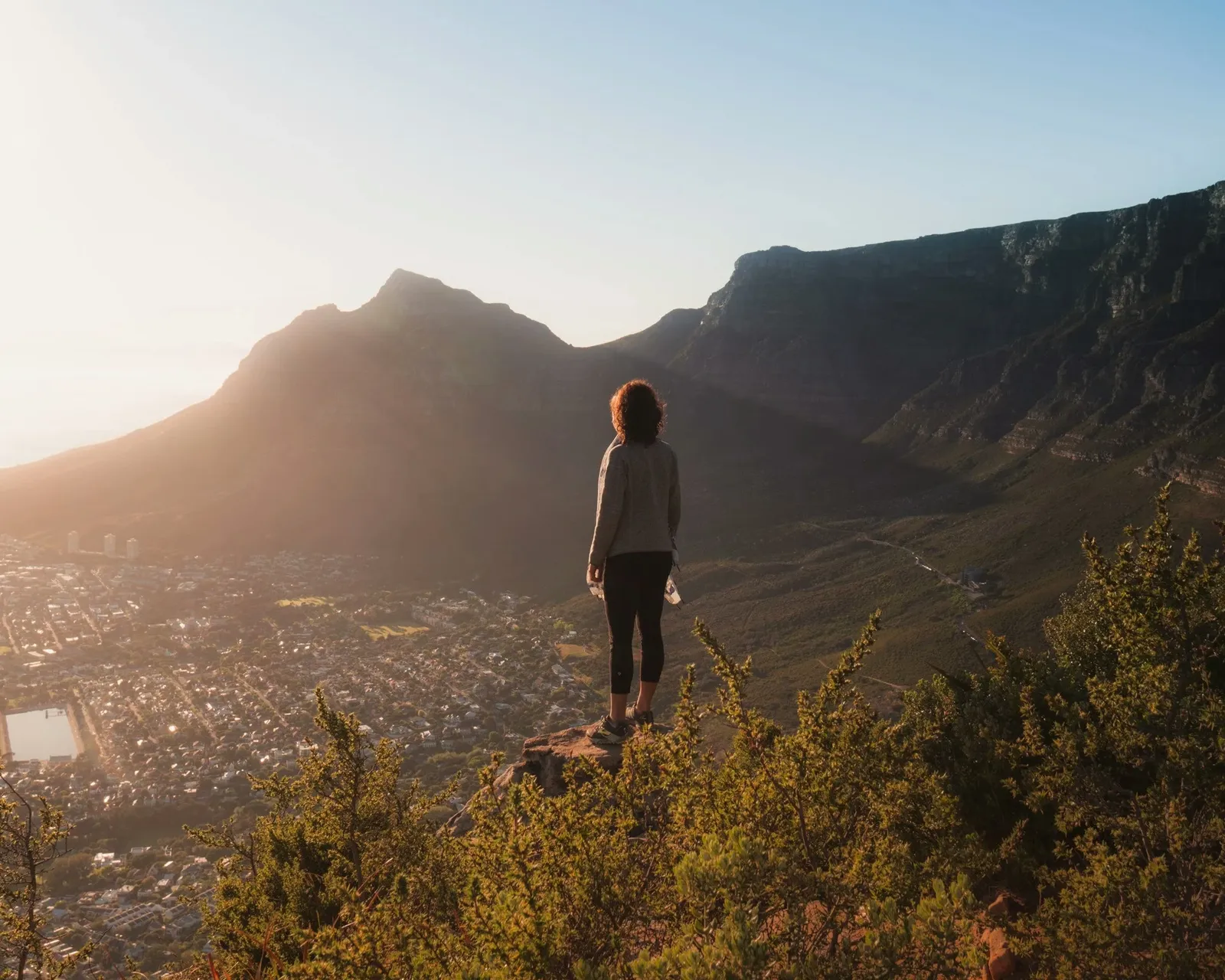
Watching the sunrise over Cape Town from the top of Lion’s Head
4. Eat at Victoria & Alfred Waterfront
Cape Town’s busy retail, dining, and entertainment district is the V&A Waterfront. It’s touristy, but still pleasant for a walk, a cocktail, or ice cream by the water. One afternoon I wandered down and found several fantastic markets offering food and local art.
5. Visit Chapman’s Peak
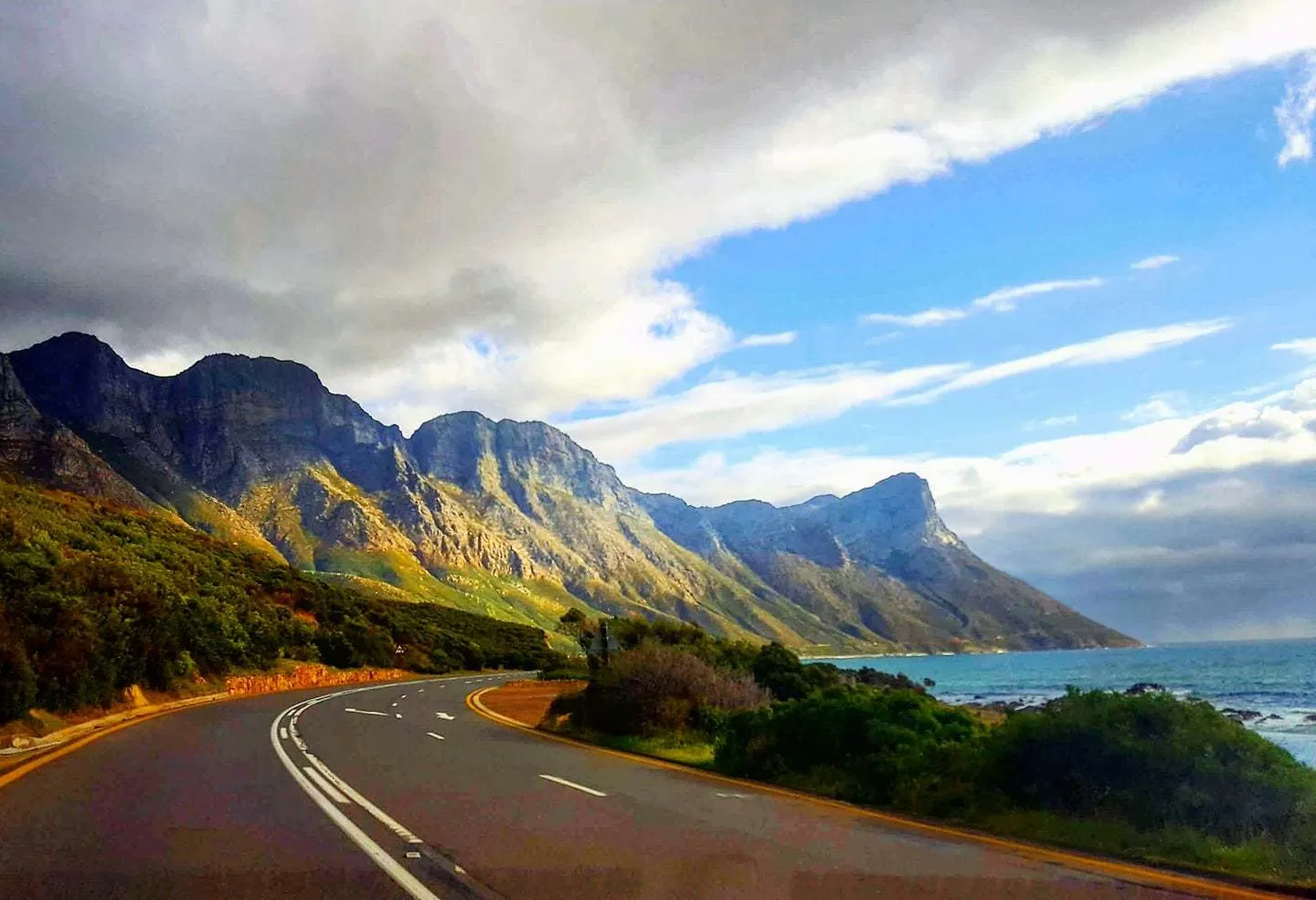
Often overlooked by backpackers, Chapman’s Peak is magical. Drive Chapman’s Peak Drive between Noordhoek and Hout Bay for one of the world’s most scenic marine drives. Catch a sunset here—breathtaking.
6. Relax on the Beach
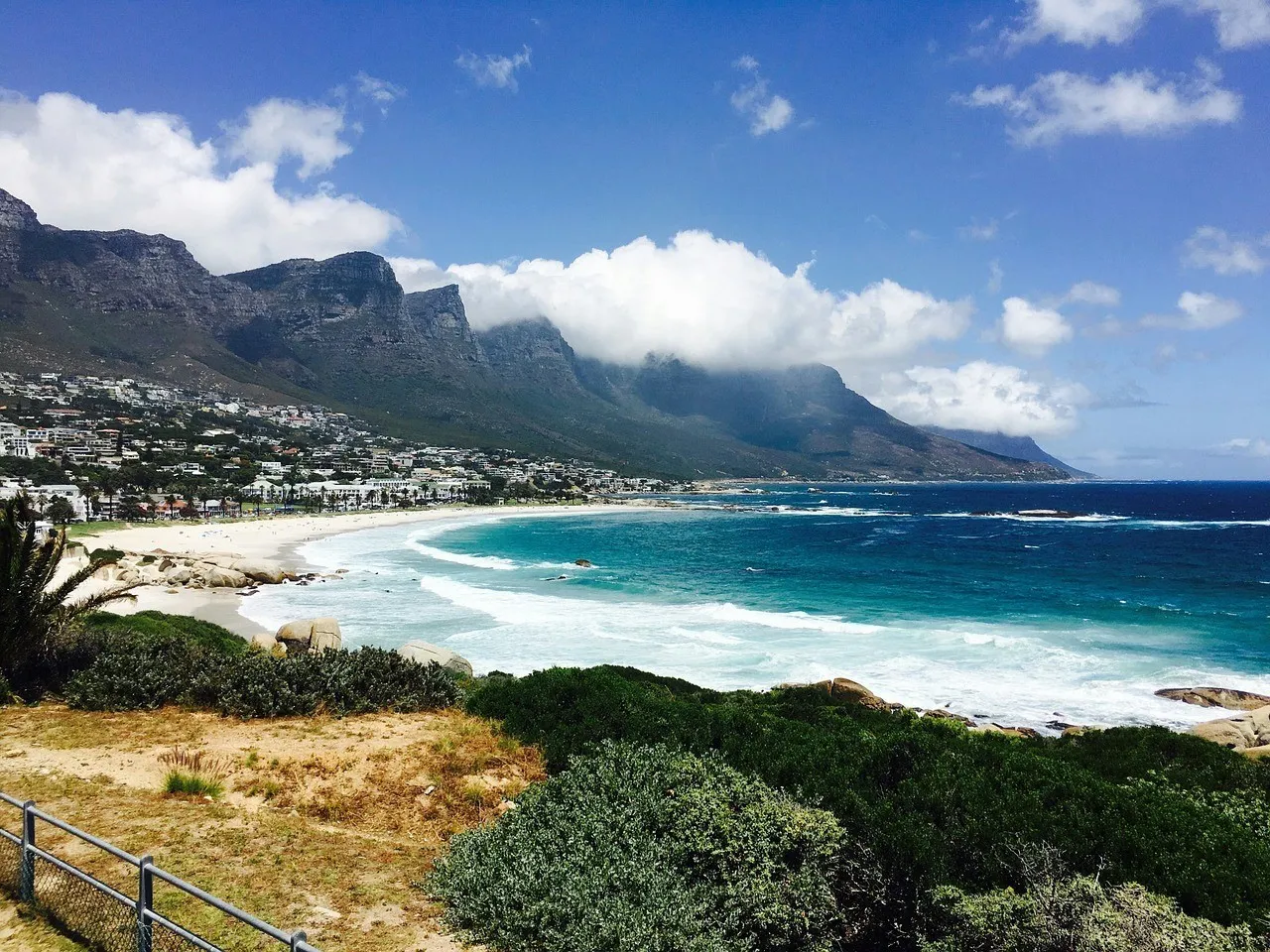
There’s no shortage of beaches for sunbathing. Clifton Beach, Camps Bay Beach, and Fish Hoek Beach are just a few worth remembering. The best rolling waves and the spot to learn surfing is Muizenberg. Ride waves while admiring the mountains and snap photos of the colorful huts on the boardwalk.
7. Stroll the Sea Point Promenade
The Sea Point Promenade offers a seaside path from Mouille Point to Bantry Bay—a lovely spot for a walk, run, or bike ride.
8. Another Sunset at Signal Hill
Signal Hill is another ideal sunset spot. Take an Uber; your driver will likely wait while you take photos, or you can stay for a picnic. Cape Town has no shortage of picture-perfect sunset spots. And did you know you can paraglide from the side of this mountain down to the city?
9. Kirstenbosch National Botanical Garden
Dubbed “the most beautiful garden in Africa,” Kirstenbosch National Botanical Gardens offers an escape from the city. It displays plants native to the Cape Region outdoors, while the large conservatory houses plants from savanna and fynbos regions.
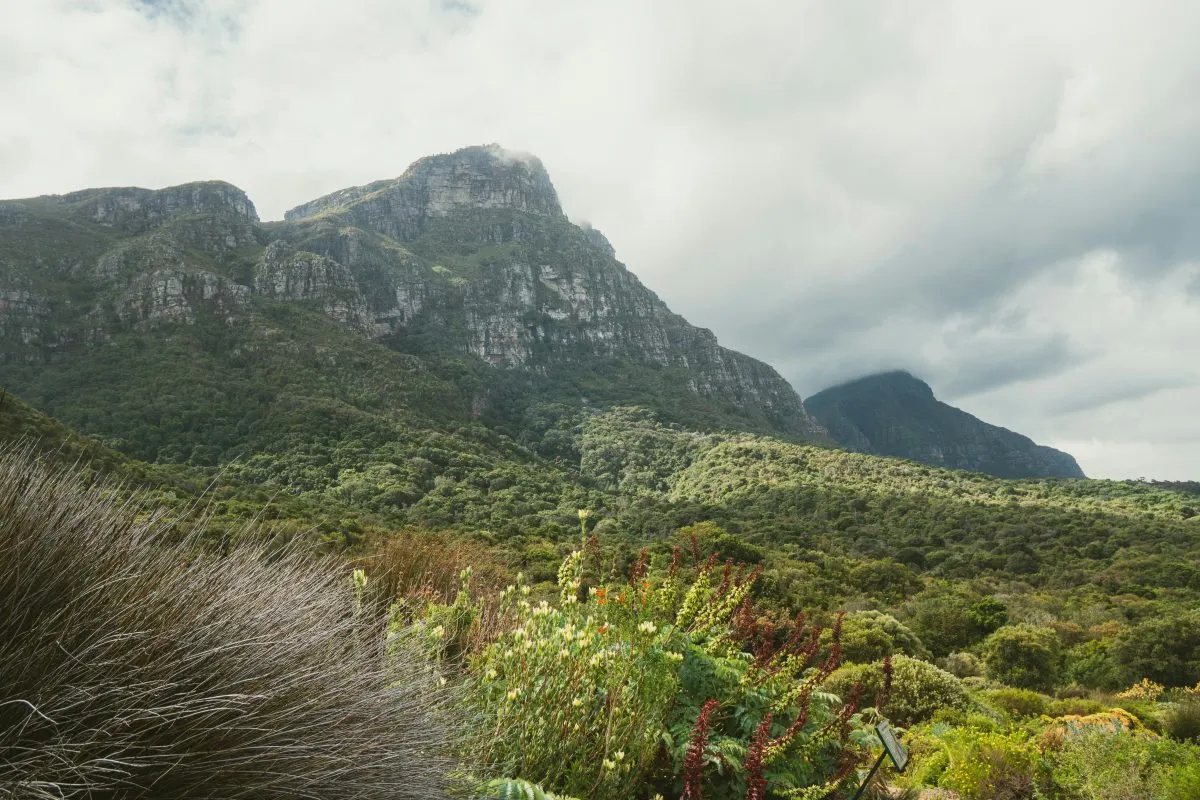
View at the Botanical Gardens!
10. Dive with Great Whites
Cape Town is one of the best and most affordable places to dive with Great White sharks. East of the city, closer to the Agulhas Current, the waters attract sharks in abundance.
11. Chill with Penguins at Boulders Beach
A few kilometers south of Simon’s Town is Boulders Beach. Here you’ll find a colony of African penguins and the option to swim with them. Did you know Africa has penguins?

South Africa is home to wild Africa penguins!
12. Take Photos in Bo-Kaap
Within walking distance of the city center is the colorful Bo-Kaap neighborhood. Vibrant and bright, it’s worth a quick stroll and an Instagram shot. It’s one of the best places to visit in Cape Town.
Need help choosing between Johannesburg and Cape Town? See our helpful guide.
Three-Day Cape Town Itinerary
Three days in the Mother City is not nearly enough to see and do everything—proof that Cape Town is bustling with everything that makes a city great. If time is limited, adjust this itinerary to your interests. What one backpacker values may differ completely from another.
I’ve broken down three days to maximize the sights you can see in this large city.
 Traveling to Cape Town? Plan your trip the smart way. With a Cape Town City Pass, you can experience the best of Cape Town at the lowest prices. Discounts, attractions, tickets, and even public transport are standard in any good city pass—invest now and save when you arrive! Buy your pass now!
Day 1 in Cape Town
Start with breakfast by the water, then walk the Sea Point Promenade. Head to the V&A Waterfront for possible live music or special markets.
The V&A Waterfront offers ferry service to Robben Island. Take a guided tour to see where Nelson Mandela and many others were imprisoned under apartheid.
Head toward the city center and pass the FIFA World Cup Stadium on your route. Support local craftsmen at Greenmarket Square by picking up authentic South African items. Grab lunch at a local restaurant or café.
After refueling, hike up Lion’s Head for an unbelievable sunset. Stand above the city and clouds and appreciate Cape Town in all its glory.
Day 1 is the perfect evening to enjoy dinner at a restaurant of your choice and savor local South African wine.

Lion’s Head
Day 2 in Cape Town
Rise early for day 2—hopefully you didn’t overindulge in wine the night before. Eat a full breakfast, pack snacks, fill your water bottle, and head to Table Mountain, a must-do when backpacking Cape Town.
Allow several hours if you plan to hike to the top. At the summit, explore, take photos, admire the city and sea below, and rest. There are many other adventurous activities around Table Mountain, such as abseiling, rock climbing, and mountain biking.
The tabletop has abundant plant and wildlife. Look for a cute rabbit-like creature called a dassie. Use the cableway for 360-degree views on the way down.
Do NOT hike up or down Table Mountain alone or at night. Locals recommend going in a group of at least four. I’ve heard mugging and even stabbing stories from those who ignored this advice.
Next, visit Kirstenbosch National Botanical Garden—absolutely magical and a lovely spot for a picnic lunch.
Then head to Bo-Kaap, where brightly colored orange, red, green, blue, and yellow homes add brightness to your day. Pose for an Instagram-worthy photo (everyone does it)—locals welcome you to photograph their homes.
Ride up Signal Hill for another superb sunset over Cape Town.
Drinks on Long Street may be in order for your second night. If Long Street isn’t your style, check out another of Cape Town’s many fun night spots.
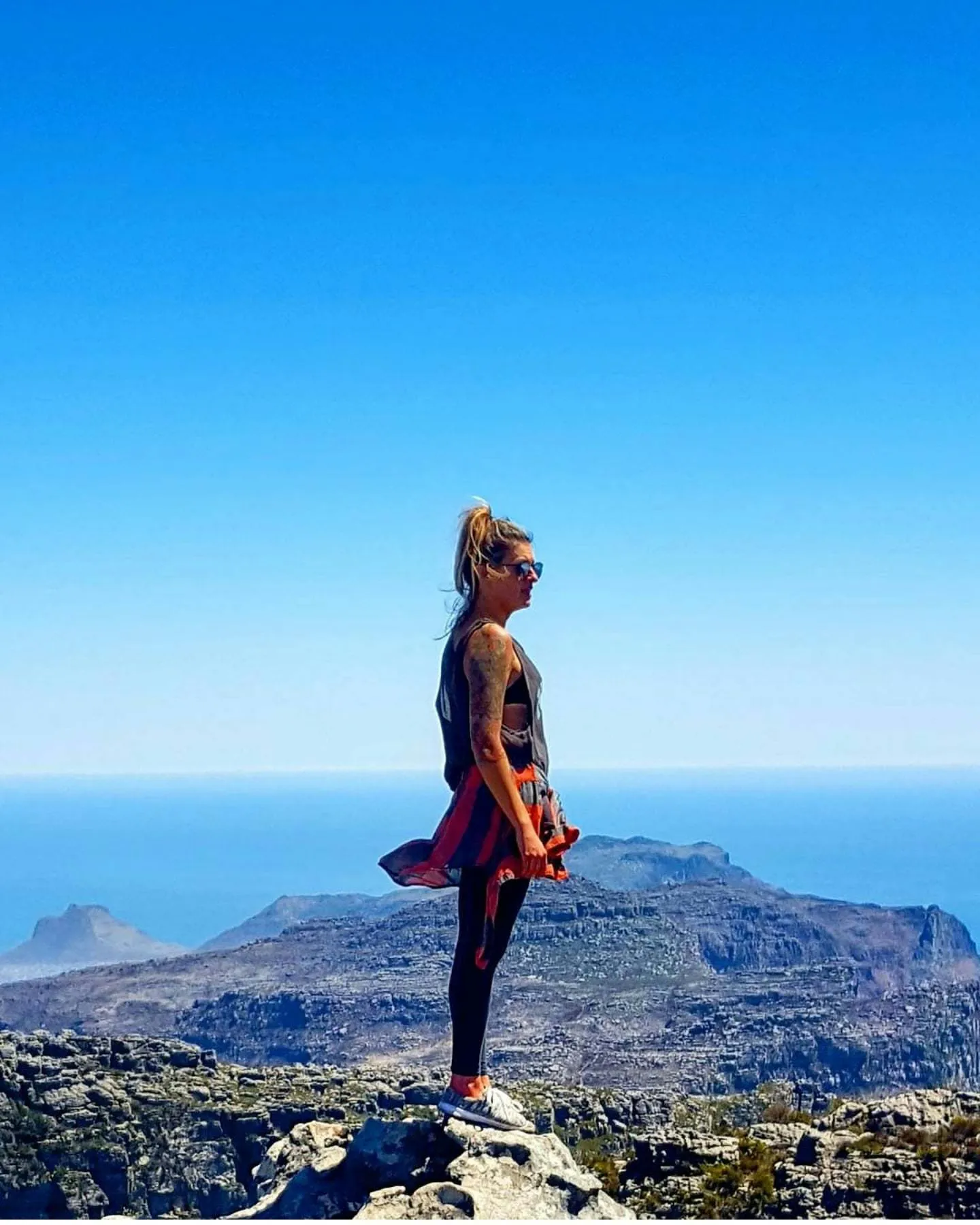
A view from the top of Table Mountain
Day 3 in Cape Town
Muizenberg is about 30 minutes’ drive from the city center but worth the early start. Take a surf lesson and enjoy the beach-bum lifestyle for a day. The neighborhood offers plenty to do—be sure to visit the colorful beach stands. You can find a list of local surf schools and lessons, both in and outside Muizenberg.
Drive south toward Simon’s Town and grab a bite in this quaint village. Continue to Boulders Beach to see African penguins. Hang out among them but don’t get too close—they will nip. Watch for baboons while cruising around town.
For Day 3, I suggest a coastal drive to Chapman’s Peak for sunset. Mountains meet the sea, and the colors are likely to be extraordinary. This was one of my personal favorites for scenic views.
You’ll likely want to enjoy a delicious dinner at a Cape Town restaurant and start making calls to delay your flight home. I assure you won’t want to leave.
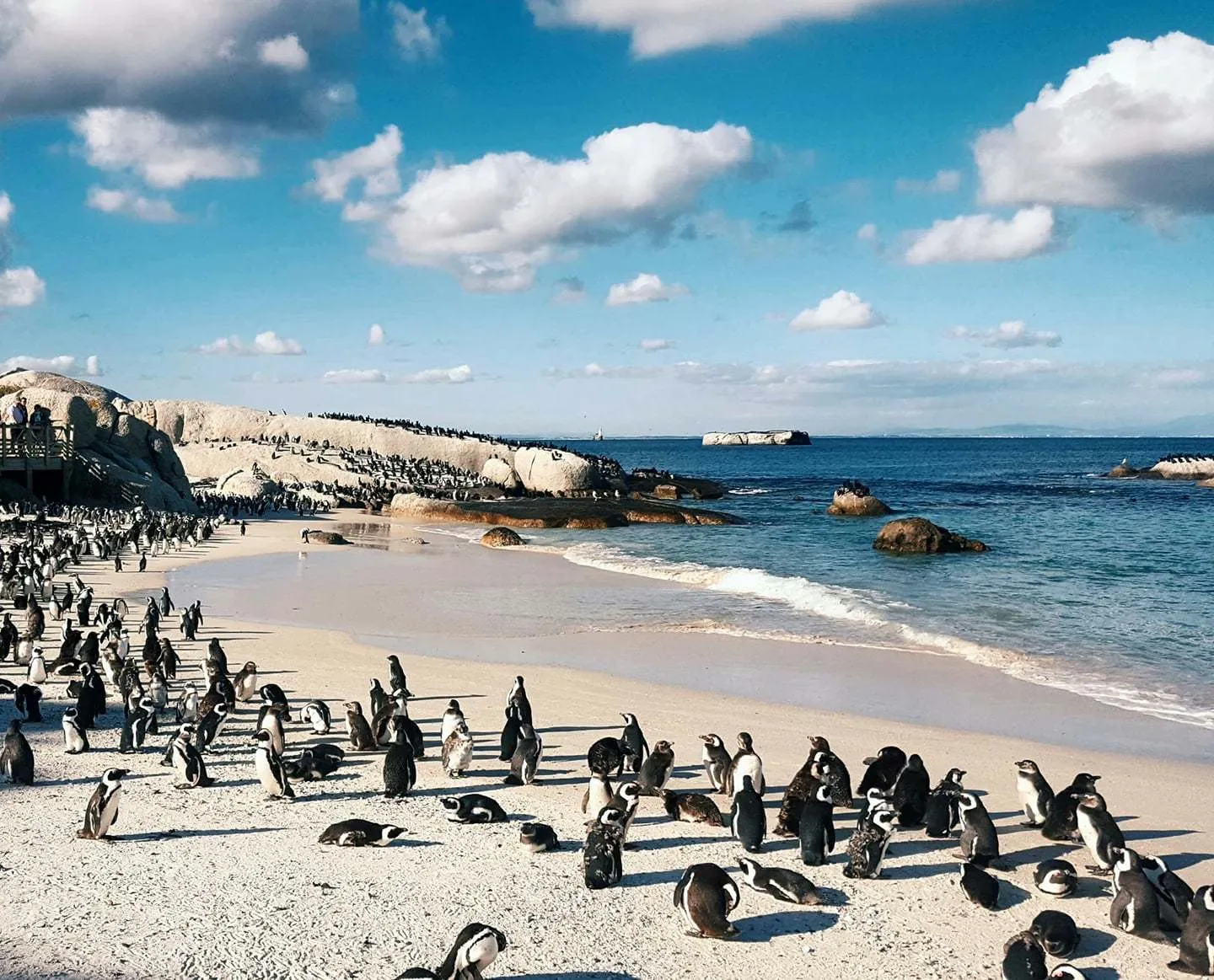
African penguins at Boulders Beach
Off the Beaten Track in Cape Town
If you have more time, consider these recommendations. They aren’t unusual activities—they just take a little longer to reach because they’re literally off the beaten track.
Woodstock – A Cape Town suburb often overlooked by backpackers—but that should change. Woodstock is an edgy, evolving area full of hip eateries, cafés, and galleries. The weekly Old Biscuit Mill market is the most popular attraction. The local street art alone is worth the visit, but there are also quirky shops, vintage stores, gin bars, and more.
Cape Point – A nature reserve within Table Mountain National Park on the Cape Peninsula. A Natural World Heritage Site, Cape Point is rich in flora and fauna. The vivid blue coastline, rugged cliffs, and distant mountains create a dramatic landscape. Climb to the lighthouse for some of the best views. Visit the most south-western point of the African continent, the Cape of Good Hope, and get your standard photo in front of the sign.
Stellenbosch – A 45-minute ride from Cape Town is the world-renowned Stellenbosch wine region. There are hundreds of vineyards, and you can’t go wrong with any of them. The region is gorgeous, and a full day can easily be spent tasting wines and food pairings—all at a fraction of the price of the world’s most popular wine regions.
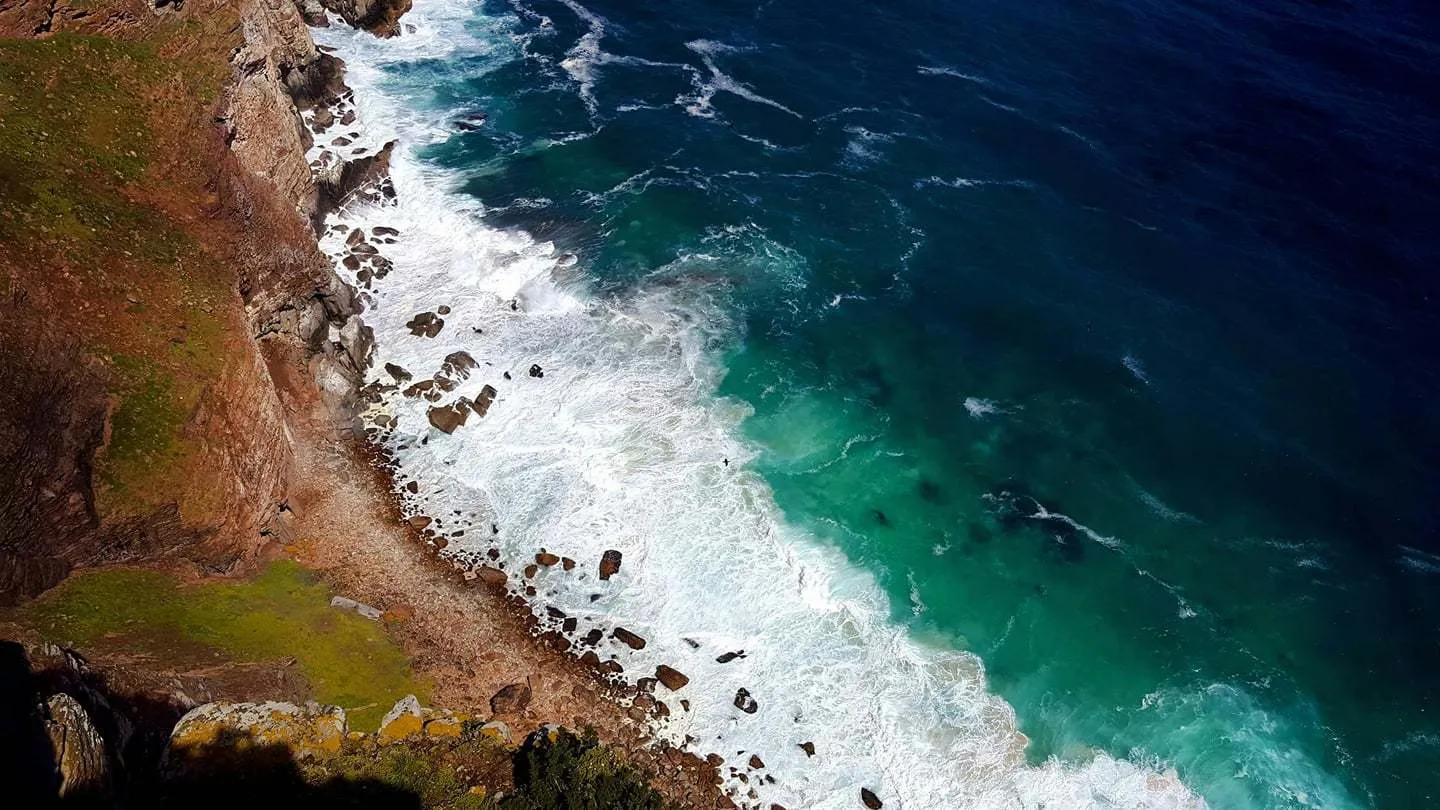
Cape Point
Best Walks in Cape Town
Cape Town has a strong outdoor culture, and the city is loaded with walking and hiking trails. Terrain and difficulty vary widely; here are a few popular choices:
Table Mountain – A network of trails of different difficulties and lengths. Platteklip Gorge is the most commonly walked route to the summit.
Lion’s Head – The trail follows a fairly easy track to a section below the summit. From there, you’ll use ladders and chains to reach the top.
Newlands Forest – A variety of trails offering dense forest views. Walks exist for all fitness levels.
Cape Point – The Lighthouse Keeper’s Trail is a short path running below the old lighthouse to the new one. It takes you along the cliff and gives an interesting angle on the old lighthouse.
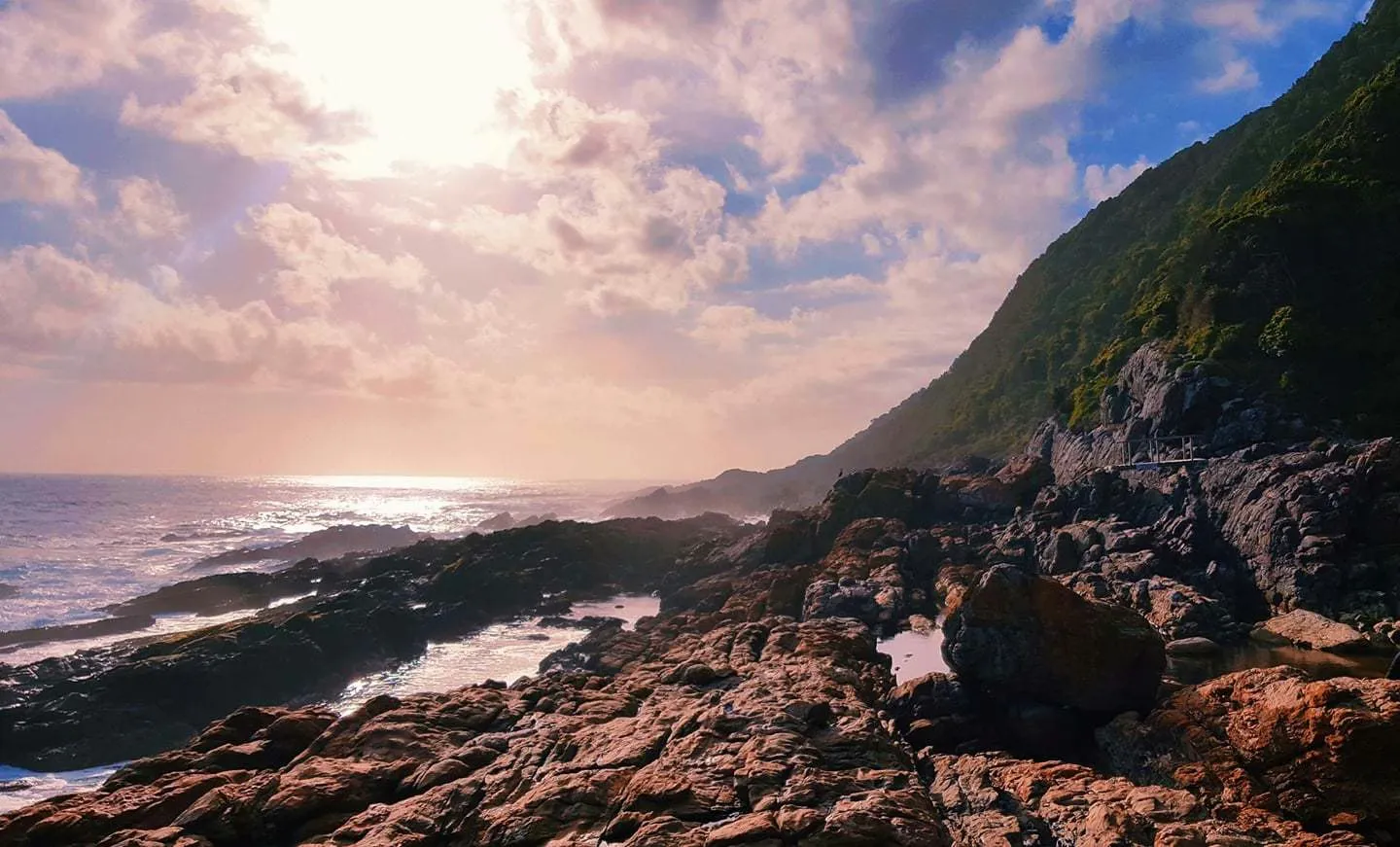
Travel Tips and City Guide
Below are travel tips for Cape Town, including the best time to visit, how to get around, food and nightlife guidance, and more.
Best Time of Year to Visit Cape Town
Cape Town can be visited comfortably in any season thanks to its warm Mediterranean climate. Temperature extremes are rare. Winter (June–August) is mild and moderately wet; summer (December–February) is warm and dry.
As with most places, summer is the busiest time. If you want sunshine, beaches, and outdoor activities, I recommend visiting in summer.
However, if you’re not picky about weather and water temperature, the shoulder season is your best bet. March–May and September–November offer fewer crowds, lower prices, and reasonable weather.
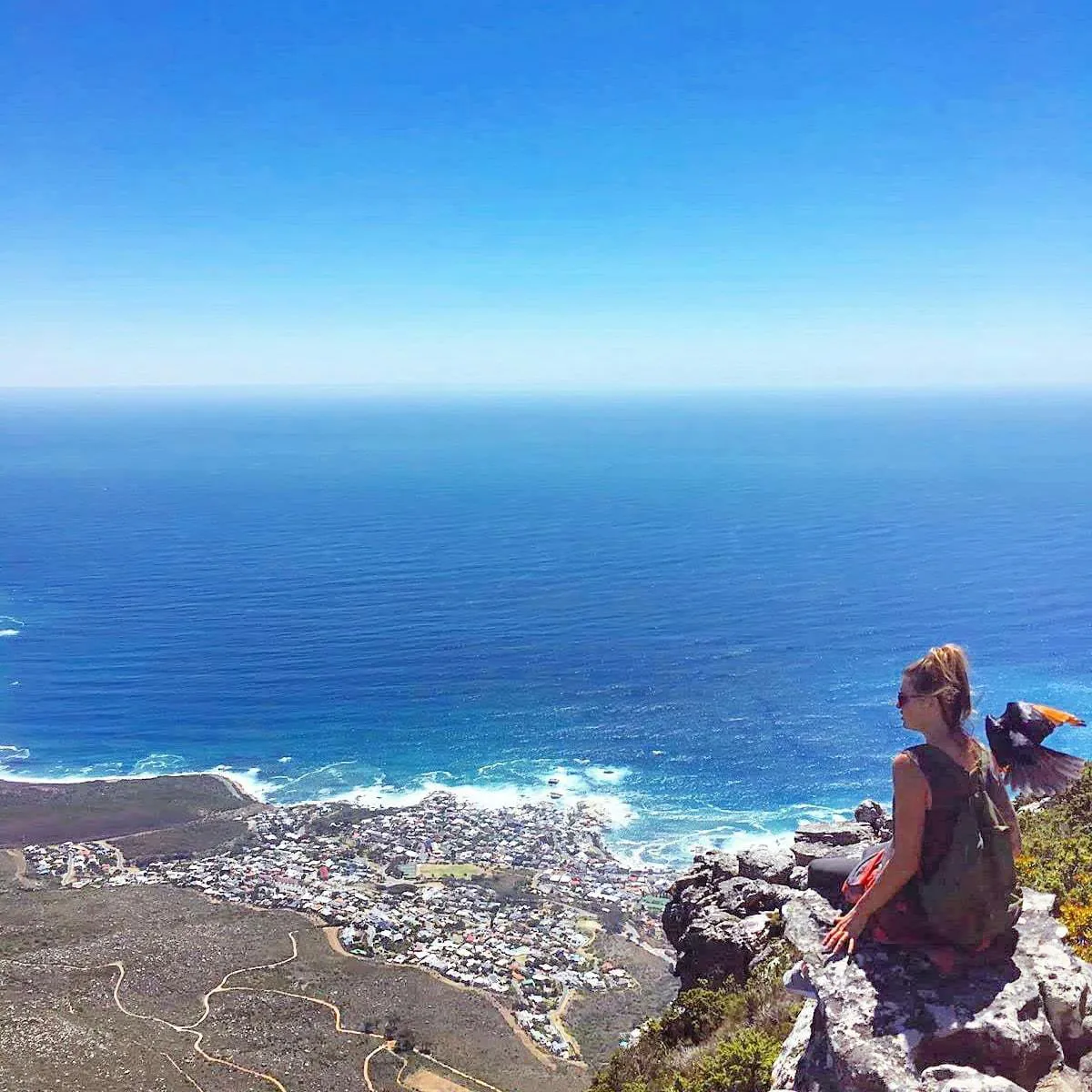
Wondering how to spend a weekend in Cape Town? Check out our insider’s Cape Town itinerary guide!
South Africa Entry Requirements
To backpack Cape Town, you first need to enter South Africa.
It’s a relatively easy country to visit. Visitors from the UK, EU, USA, Canada, Australia, New Zealand, and several other countries—including most southern African neighbors—get 90 days visa-free. A handful of other nationalities receive 30 days visa-free.
People from India, Indonesia, China, and Mexico need an ETA. With an ETA, you can only enter South Africa via three airports, and Cape Town International Airport is one of them.
An e-visa exists for some nations, while a few require a full visa—mostly those from the Sahel and Central Asia.
South Africa does not require permits for specific areas, so once you’re in the country, you can visit Cape Town without additional hurdles.
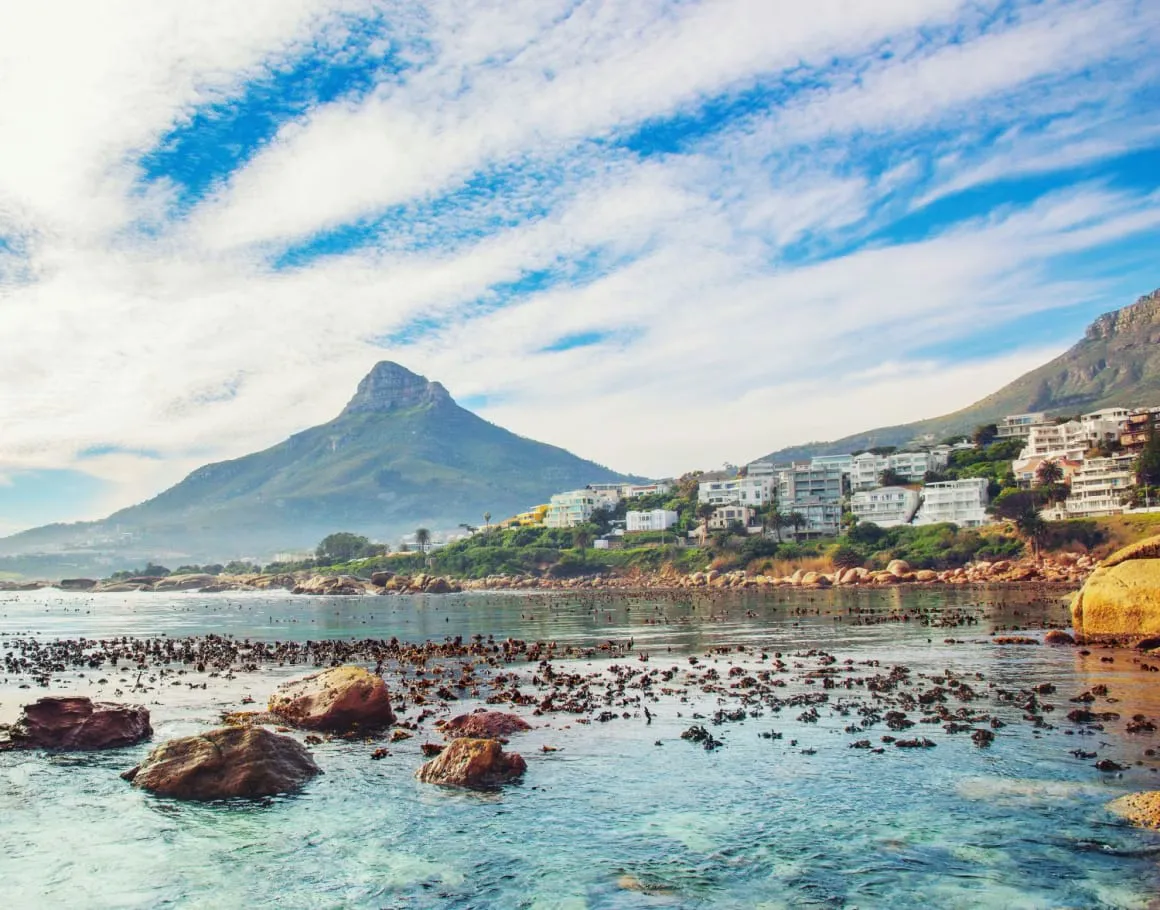
Getting In and Out of Cape Town
You’ll likely arrive by plane, given Cape Town’s location as South Africa’s southernmost city. Cape Town International Airport is the primary airport, about 20 km from the city center.
Options to and from the airport include Uber, taxi, hired car, shuttle, bus, or car rental.
Getting Around Cape Town
MyCiTi buses run from 5am to 10pm, with the most frequent service between 8am and 5pm. Routes cover much of Cape Town and include airport service. They aren’t always the safest option.
A ‘myconnect’ card is used for fares and can be bought at MyCiTi kiosks and participating retailers. Single-trip tickets are available. Fares depend on time of day but remain inexpensive.
Driving is easy in Cape Town, with a good road system. A gas station attendant will always fill your tank, wash your windows, and check fluid levels—keep cash for tipping. Car-hire companies are easy to find; popular choices include Avis and Hertz.
Cape Metro Rail trains are a cheap way to travel farther, such as to Simon’s Town. Ride during the day for safety and expect delays.
Taxis, Uber, and Bolt are all popular. Taxis can be dodgy, so I suggest sticking to rideshare apps. Among them, Uber has the strictest vetting system, making it safer. It’s affordable, and there’s a dedicated rideshare pickup spot at the airport.
Safety in Cape Town
Cape Town does not have a good reputation for safety. Stay cautious during your visit, but don’t panic. A few things to know:
Muggings are common throughout the Mother City. Ask any Capetonian about being mugged, and they likely have a story about themselves, friends, or family. This is linked to weak governance, corrupt policing, and a soft attitude toward crime. Your phone could feed many families, so try not to flaunt it.
Stay vigilant and don’t flash your belongings. Keep your phone away and secure—don’t pull it out on the street. Avoid wearing jewelry, and women should not carry a purse unless it goes across the body. Chains are common targets; thieves snatch them from people’s necks, so never wear a necklace or other neck jewelry.
Buy travel insurance for your trip. World Nomads is our favorite provider, but check out our roundup of backpacker insurance options.
Never carry anything worth fighting over. If someone tries to rob you, give in. Always make copies of important documents, and don’t wander with your passport.
If you enjoy strolling around new areas, do it during the day in Cape Town. Avoid wandering alone in the evenings, and always take a cab or Uber at night—even for short distances.
If self-driving, keep windows rolled up at stops, doors locked, and valuables in the trunk. Beggars target stopped cars at traffic lights (called robots by Capetonians). Car guards are common across South Africa, usually wearing bright vests; a small tip is worth having them around. They’ll often help guide you in and out of parking spaces.
Don’t hike alone in Cape Town. Table Mountain especially attracts armed robbers who hide in the bushes. Go with at least four people, or take the cable car (safest option).
Pick up a backpacker security belt to keep cash safe, and see our Cape Town safety guide for tips on staying safe while backpacking Cape Town.
This post has plenty of ideas on ingenious ways to hide your money when traveling.
Accommodation Travel Hacks
Accommodation is likely the biggest expense while backpacking Cape Town. If you’re on a tight budget, use the Couchsurfing community.
Airbnbs are often cheaper than hostel dorms and shouldn’t be overlooked—as backpackers tend to do.
One tip for traveling Cape Town on a budget: network. Facebook alone has countless African backpacking groups. Join one and post your journey ahead of time. Many solo travelers scan African pages daily looking for a partner in crime—or a partner to share an Airbnb.
Hostels
Hostels are the best way to save on accommodation while meeting like-minded travelers, wherever you go. Book your cheap Cape Town hostel here.
Worth noting: you can negotiate prices with hostels and Airbnbs during Cape Town’s winter, as owners have a harder time filling rooms.

Eating and Drinking in Cape Town
South Africans don’t have an indigenous cuisine per se, but that doesn’t mean the country doesn’t appreciate food. In fact, there are extraordinary restaurants and amazing local meats and produce to enjoy while backpacking South Africa. Cape Town may be the best place to dine in all of Africa.
Seafood is fresh from the sea. Fish (kingklip is popular), lobster, oysters, and mussels are easy to find. When you see ‘line fish’ on a menu, it simply means the catch of the day.
Meat is extremely common in Cape Town, and South Africans love their braais (barbecues), arguably even more than Australians. Biltong is a great snack—essentially beef jerky. The Cape Malay dish you’ll often see is bobotie: spiced minced lamb or beef on rice with an egg-based topping. Boerewors is a South African sausage you’ll come across often.
Fruit and vegetables are locally grown and generally of high quality.
Cape Town has restaurants from fine dining to cafés and everything in between. Nearly every cuisine from around the world can be found here. Eating out is reasonably priced compared to most top cities worldwide, and quality is not compromised.
Fruit juice comes unsweetened, in nearly every fruit variety, and is delightful with breakfast.
Beer remains hugely popular despite the many wine regions near Cape Town. Castle, Black Label, and Savanna Cider are widely available, and microbreweries are on the rise.
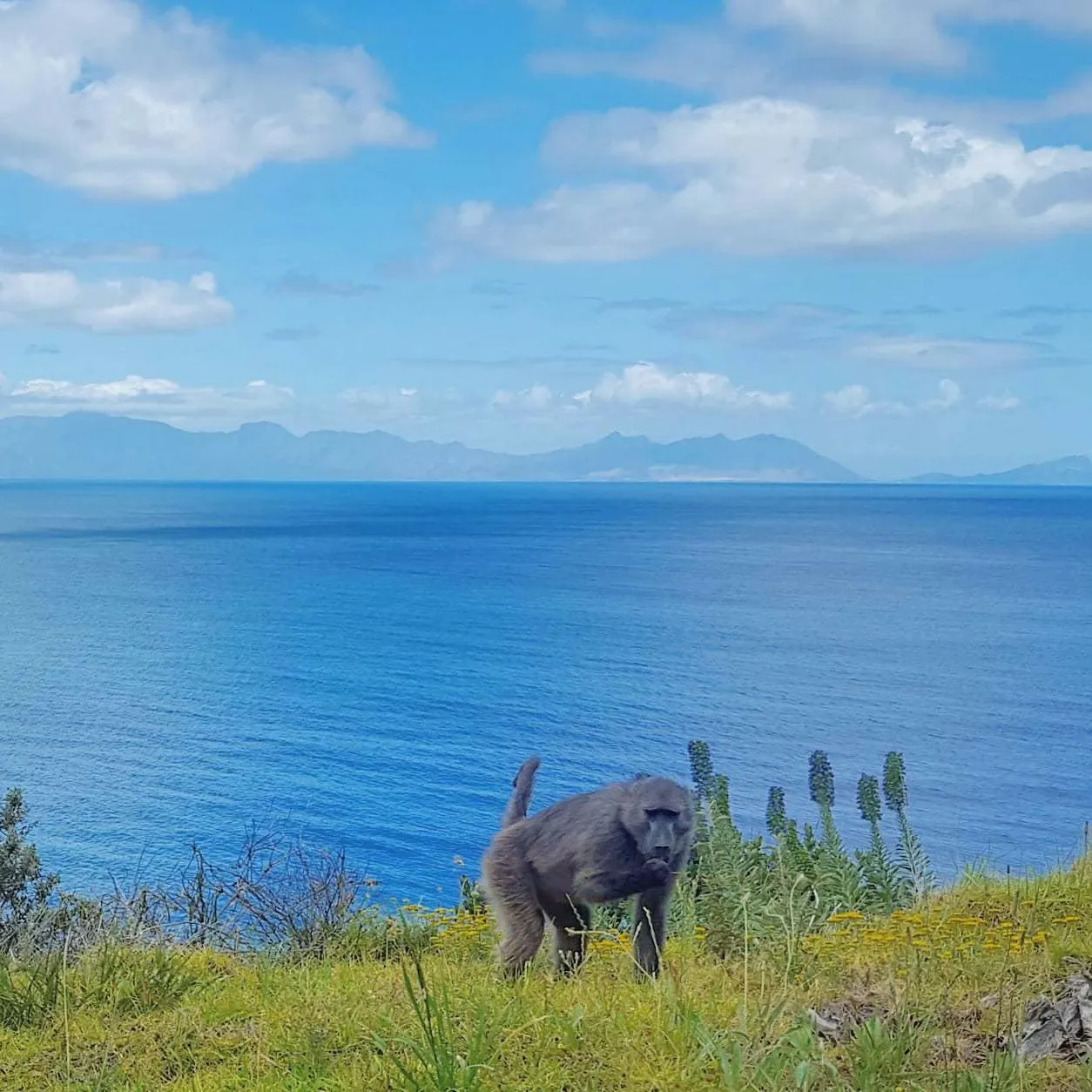
Spot baboons while cruising around Cape Town
Wine in Cape Town
The Mediterranean climate and fertile soil make the Cape Winelands one of the world’s best wine-producing regions—the 9th largest producer, in fact. With so many choices, here are some varietals to try while sipping in Cape Town:
Sauvignon Blanc: Great value and thirst-quenching when South African weather warms up.
Chenin Blanc: If you enjoy Sauvignon Blanc or Pinot Gris, Chenin Blanc comes highly recommended. In South Africa, it’s quite dry with a touch of sweetness.
Pinotage: A downright delicious, fruity red available at all price points.
Shiraz/Syrah: Grown throughout South Africa, giving you a wide range of styles.
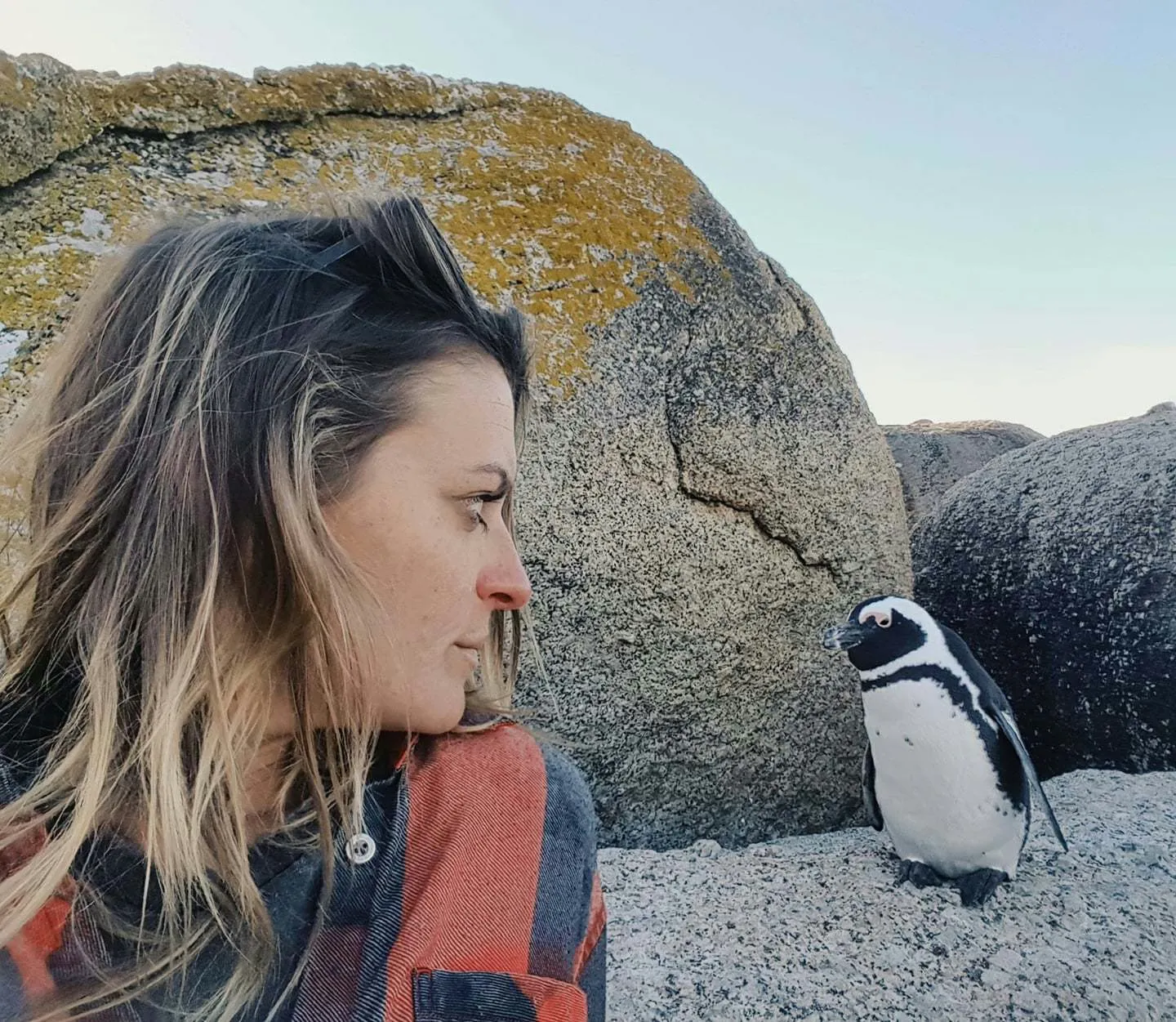
Having a moment with an African penguin at Boulders Beach
Nightlife in Cape Town
The Tavern of the Seas has long held a reputation as a great place for bars and refreshments. No matter the season, you’ll find endless pubs and bars to drink with friends, party, or club.
Cape Town’s hottest nightlife is on Long Street. The name could easily come from the road’s endless stretch of bars, restaurants, and clubs. The street never sleeps, with countless choices for music, dancing, or socializing any night of the week.
Party safely in Cape Town and always be aware of your surroundings. I don’t recommend this city for ‘experimenting’ or getting out of control. Walk in groups and always take a cab if you’re not just popping next door. There’s plenty of fun to be had, but you still want to wake up with your wallet.
Fancy a festival somewhere in the world? Cape Town hosts a fair few—take your pick.
What’s New for a Cape Town Backpacking Trip?
The main change is that Uber is now king for getting around. When this guide was first written, we recommended Taxify (now Bolt). Bolt still exists, but Uber has a much stricter vetting process—important in a city that can be dangerous.
Prices have also gone up, especially for accommodation in safer areas. You can still find cheap places, but there’s a trade-off. Cheaper means a dodgier area; more expensive (compared to similar properties elsewhere in the city) generally means safer.
Otherwise, little has changed in the last decade. The V&A Waterfront remains the safest area, followed by Green Point and Sea Point. Top attractions include Robben Island, Table Mountain, and the penguins of Boulders Beach—they alone make the city worth visiting.
Books to Read on Cape Town
Cape Town to Kruger: Backpacker Adventures in South Africa and Swaziland – A fascinating tour with vivid descriptions from Cape Town to Kruger Park.
A History of South Africa – A guide to South Africa’s turbulent past that also debunks common myths.
The Cape Town Book: A Guide to the City’s History, People and Places – An information-rich book presenting a fresh picture of the Mother City.
Long Walk to Freedom – Nelson Mandela’s autobiography. A compelling read about his life and hardships during 27 years of imprisonment. It belongs on everyone’s Cape Town reading list.
Lonely Planet Cape Town & the Garden Route (Travel Guide) – A detailed guide to Cape Town and its surroundings.
Volunteering in Cape Town
Long-term travel is awesome. Giving back is awesome too.
Worldpackers
For backpackers wanting to travel long-term on a budget in Cape Town while making a real impact on local communities, Worldpackers is an excellent platform connecting travelers with meaningful volunteer positions worldwide. In exchange for a few hours of work each day, your room and board are covered. Backpackers can spend long periods volunteering in an awesome place without spending money. Meaningful life and travel experiences come from stepping out of your comfort zone and into a purposeful project.
Worldpackers opens doors to work opportunities in hostels, homestays, NGOs, and eco-projects worldwide. We’ve tried and approved them ourselves—check out our Worldpackers in-depth review.
If you’re ready to create a life-changing travel experience and give back, join the Worldpackers community now. As a reader, you’ll get a special $10 discount. Use code BROKEBACKPACKER and your membership drops from $59 a year to only $49.
Workaway
Alternatively, Workaway is another excellent platform for volunteering opportunities. It’s massive, with over 40,000 hosts registered (that’s 40,000 opportunities) and over 350,000 reviews on the site. With a database that big, odds are you’ll find something that strikes your fancy. Read our review of Workaway for more info.
Volunteer programs through reputable work-exchange programs like Worldpackers and platforms like Workaway are usually well-managed. However, whenever you volunteer, stay vigilant, especially when working with animals or children.
Global Work and Travel
Last but not least, Global Work and Travel is another viable option for volunteer opportunities in Cape Town. What sets it apart is the amount of assistance: a 24/7 global help-line, visa processing help, airport transfers, and continued support once you’re in Cape Town.
They offer a Cape Town Community Center Project for volunteers wanting to stay 2 to 12 weeks. You’ll provide educational and developmental opportunities for children—an incredibly enriching and vital part of outreach work in the local area. As with all volunteer abroad programs, there’s a cost, but you can pay in interest-free installments. Don’t forget your camera, and make sure you’re between 18 and 85 to qualify.

Make Money Online While Backpacking Cape Town
Traveling in Cape Town long-term? Keen to earn cash when you’re not exploring?
Teaching English online is a great way to earn a consistent income from anywhere with a good internet connection. Depending on your qualifications (or your motivation to obtain qualifications like a TEFL certificate), you can teach English remotely from your laptop, save for your next adventure, and make a positive impact by improving someone’s language skills. It’s a win-win. Check out this detailed article for everything you need to start teaching English online.
Being a Responsible Backpacker in Cape Town
Reduce your plastic footprint: Perhaps the best thing you can do for the planet is to avoid adding to the plastic problem. Don’t buy one-use water bottles—the plastic ends up in landfill or the ocean. Instead, pack a tough travel water bottle.
Watch A Plastic Ocean on Netflix—it’ll change how you view the plastic problem. You need to understand what we’re up against. If you think it doesn’t matter, get off my fucking site.
Don’t take single-use plastic bags. You’re a backpacker—take your daypack if you need to go to the shop or run errands.
Bear in mind that many animal products in countries you travel through are not ethically farmed and won’t be of the highest quality. I’m a carnivore, but on the road, I only eat chicken. Mass-farming of cows and other animals leads to rainforest destruction—obviously a huge problem.
Backpacking in Cape Town will bring ample opportunities to participate in debauchery, and it’s very important to have fun, let loose, and get a bit wild at times. Most backpacking trips I’ve been on across the world have included at least a few mornings where I wake up knowing I went too far.
Some things will put you in the category of a straight-up jackass if you do them. Being super loud and obnoxious in a tiny hostel at 3 AM is a classic rookie mistake. Everyone in the hostel will hate you when you wake them up. Show your fellow travelers (and locals) respect while backpacking in Cape Town and anywhere else.