For many travelers, tracking mountain gorillas in Rwanda sits at the very top of the bucket list. I’ve been fascinated by the idea of jungle adventures for as long as I can remember, ever since flipping through monthly National Geographic issues on the living room floor. I doubt I’m the only nature enthusiast who feels that pull.
I used to picture myself in earthy safari gear, looking effortlessly cool while lounging in the lap of a massive silverback. Now that I’m older, I know the reality is every bit as amazing as I imagined—but it isn’t quite that simple.
Rwanda’s gorilla safaris are built around conservation, which is genuinely inspiring when the world often feels like it’s falling apart. That means the experience isn’t as shallow as snapping a selfie and moving on—you’ll need a permit to see these giants up close. Permits are costly and in high demand, so some advance planning is required, but it’s entirely doable.
I’ll cover that and everything else you need to know, from what to wear on your trek to choosing the best gorilla safari. My guide to gorilla trekking in Rwanda is your one-stop resource.
Let’s dive in.
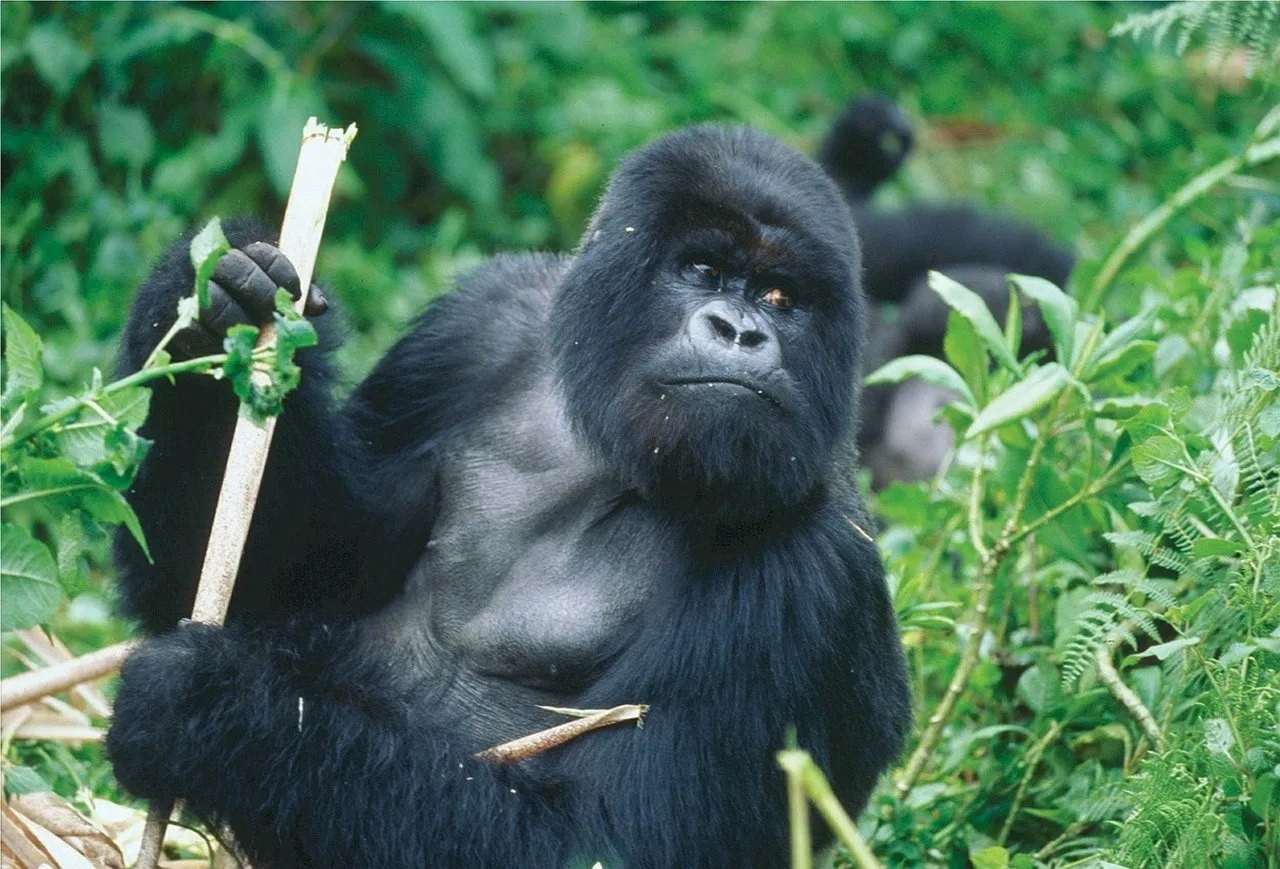
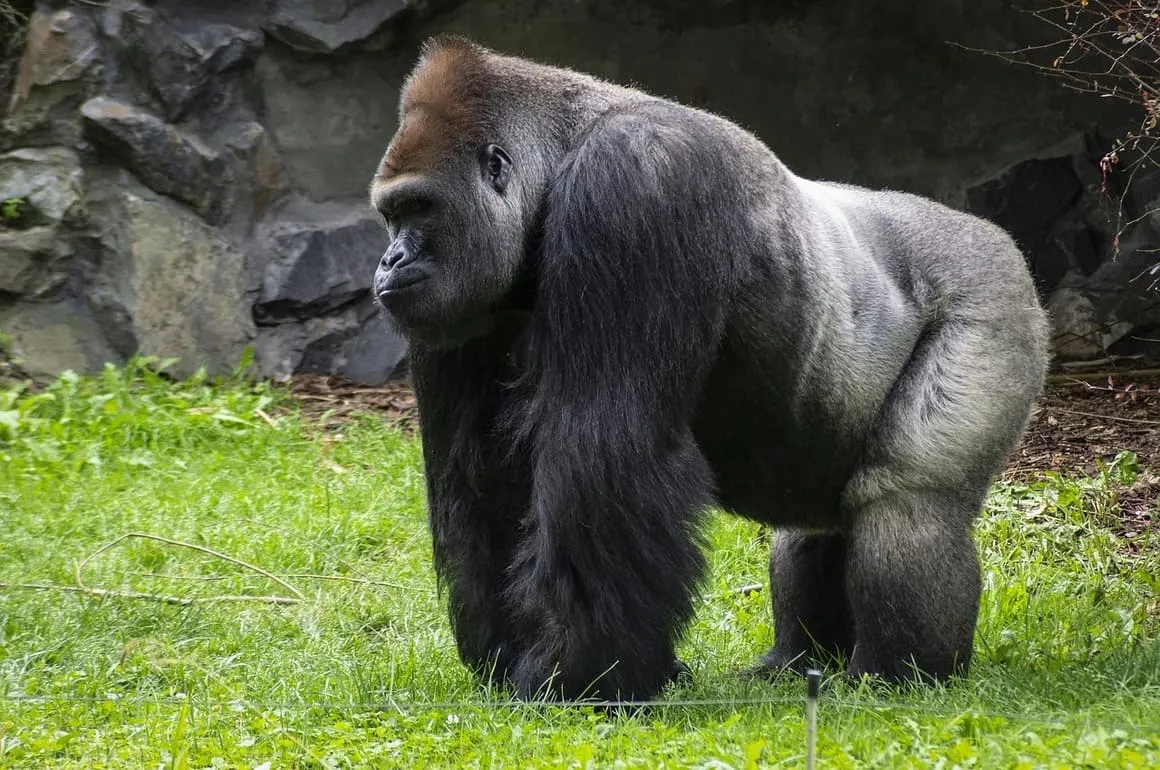
This is the guy we’re all here to see!
Why Go Gorilla Trekking in Rwanda?
Why not? If you’re backpacking in Tanzania or traveling through Africa, chances are you’re keen on a safari. Silverback gorilla tours offer an incredible way to see these endangered animals in their natural habitat. Over the past two decades, their population has soared, and Rwanda now has 10 gorilla families (habitual groups) that visitors can see.
These gorillas live in Volcanoes National Park, near Ruhengeri, which is a draw in itself. The area is rich with lush, serene landscapes that feel like a Pandora’s box—a whole world waiting inside, looking like a painting. Rwanda has nurtured a flourishing industry around one- and two-day gorilla treks, and as a result of this diligent care, silverback gorillas are increasing in population.
Despite humans’ seemingly limitless capacity for civil conflict, poaching our fellow primates, and procreating at a destructive rate, these gorillas are making a comeback. They’re still endangered and need more conscious conservation efforts, but the slant that conservation and ethical animal tourism have taken since the 1980s is working. So now it is (probably) impossible to lounge in a gorilla’s lap like I once imagined, but you can visit them from a distance.
Let’s look at how.
What to Expect From Silverback Gorilla Tours
What you can expect on Rwanda gorilla safaris depends on who you book with. If you’re booking a one-day gorilla trek in Rwanda, you’ll drive out to Volcanoes National Park at the crack of dawn. It takes a few hours to get there, and depending on where the gorillas are hanging out, it can take a while to find them.
A maximum of 10 people are allowed to visit each gorilla family per day, so your small group will follow the guide to track the gorillas. This hike could be strenuous; these wonderful giants don’t adhere to the Volcanoes National Park Rwanda map and wait for you to show up. Also, note the name—Volcanoes National Park—it’s a far cry from the plains of national parks in Kenya.
You could stumble on them within the first couple of hours, or it could take all day, and then you’re free to observe. Imbuing the majestic energy of these incredible primates is something that will stick with you for life. The rules are to keep a strict distance, but there’s nothing between you and nothing to stop a curious gorilla from interacting with you.
Except for obtaining a Rwanda gorilla trekking permit.
Getting a Gorilla Permit in Rwanda
These gorillas aren’t locked up in some zoo experience, but they’re not an all-you-can-eat buffet either. You need to obtain a “gorilla permit Rwanda” whether you’re doing a one-day gorilla trek in Rwanda or a two-day gorilla trek in Rwanda.
No matter the Volcanoes National Park Rwanda weather, you’ve gotta suss this, and know that you may not go if you’re sick—this is a big one. Because human diseases and viruses can transfer to these cousins of ours, you won’t be allowed near these glorious gorillas if you’re ill.
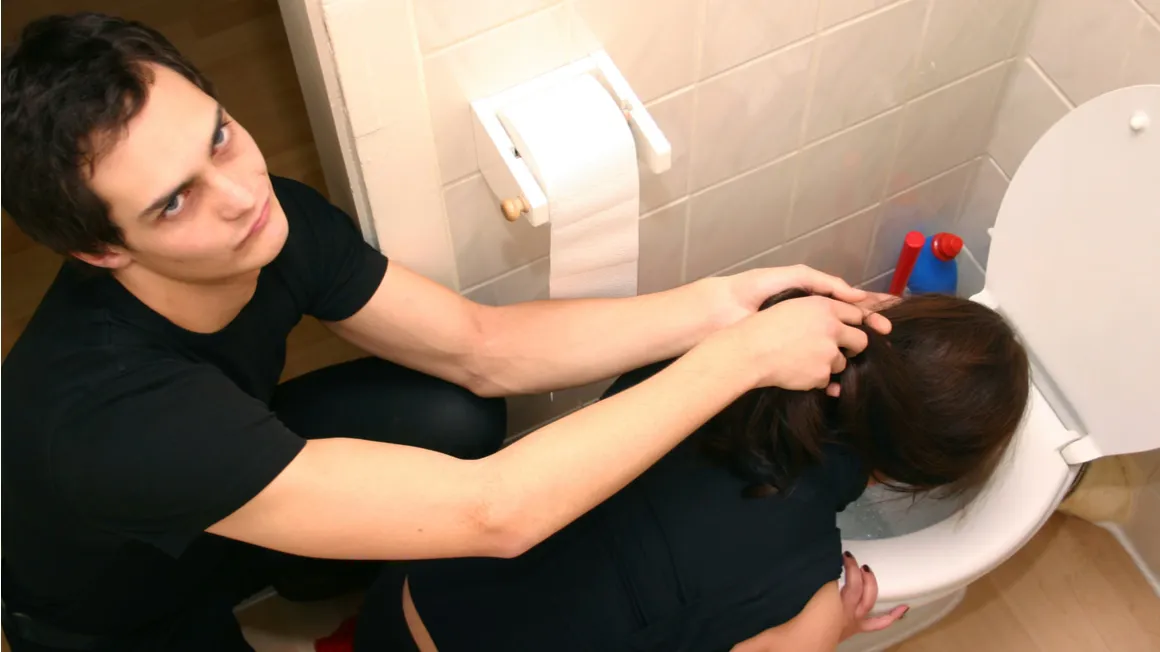
Stay healthy and dodge this disappointment
Well, I use “you” lightly here; most tours are inclusive and will have your gorilla Rwanda Permit sorted for you, but not all of them. Whether you’re working with a tourism company in Rwanda or a bigger operation, double-check whether this is included or not. Another thing that’s important is to do your due diligence on the ethics of your chosen provider—not all are created equal.
In terms of visas, check with your home country and the African embassy to find out exactly what you need to do. Lots of countries in Africa will accept visitors visa-free for 90 days. Obviously, this depends on where you’re from, how long you’re going and the purpose of your trip.
Visiting East Africa is an incredible experience, and staying in Kigali is a great place to base yourself. Especially if you’re booking a gorilla trekking safari for a day or two in Rwanda, the chances of the safari leaving from Kigali are high.
What to Wear for Gorilla Trekking in Rwanda
Now you’re committed, the ticket’s bought, you’ve got your visa and your gorilla permit for your stay in Rwanda, it’s time to pack those bags, baby! Obviously, packing light is an art form, and if you’re a seasoned backpacker, you’ll be good. However, there are a few things to note when you’re packing for a trip to Volcanoes National Park, Ruhengeri.
There are some specific things you’ll want to wear for gorilla trekking in Rwanda. Forget the nail polish and hair dryer Dian Fossey packed with her on her first expedition, I’m talking long sleeves and sensibility.
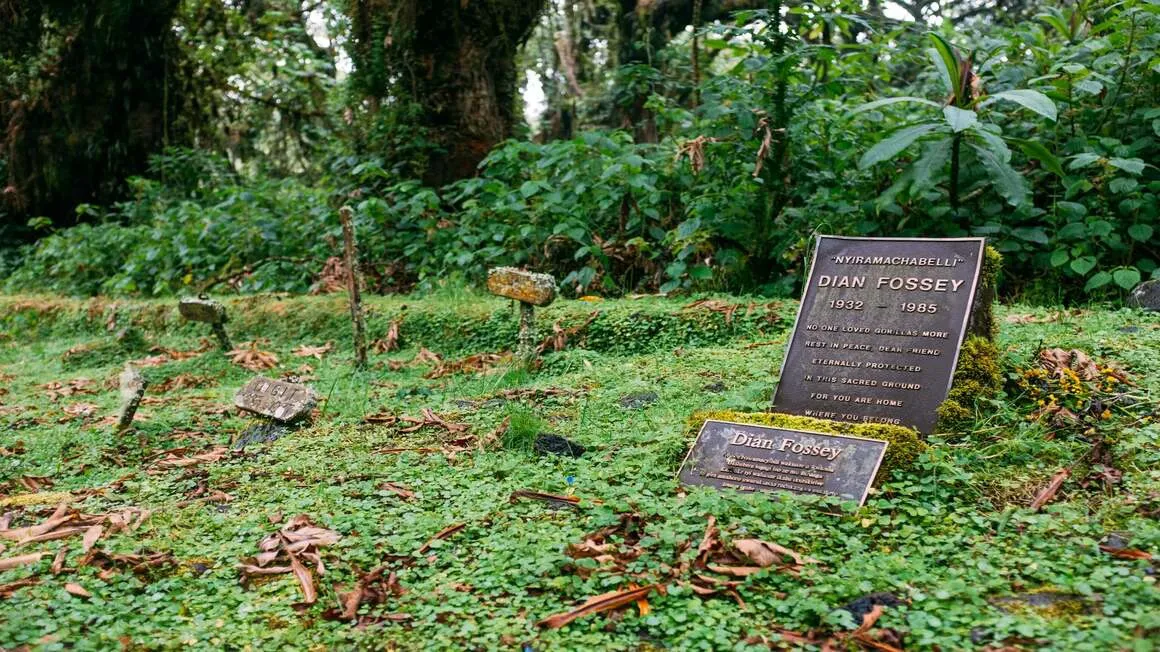
Dian Fossey rests eternally next to her gorilla friends
You’re going to be hiking through Volcanoes National Park, Rwanda, in all sorts of weather and with all sorts of bugs around. So I suggest you pack some long tops and pants, get something lightweight, moisture-wicking to keep you covered and comfortable. This is not me being dramatic, trekking to find the gorillas can take hours and is likely to be off-road to say the least!
The weather at the Volcanoes National Park can be unpredictable, so a lightweight waterproof jacket, waterproof hiking boots, a hat, sunglasses, and gloves are all a good idea. Gloves protect from the cold, all the scratchy vines and plants that may be in your way, and also from little stingy insects.
Getting to Gorilla Safaris in Rwanda
As I said earlier, most safaris leave from Kigali and travel to Volcanoes National Park in the northwest of Rwanda. The Musanze District area, which was formerly called Ruhengeri, is where the silverback mountain gorillas live.
This drive is pretty hectic, and you’ll be cruising through the country in a 4×4 without AC. This is a real off-the-beaten-path adventure, not some cruise ship tour.
If you’re embarking on a two-day or longer safari, you’ll likely get to experience the other wonderful creatures that call this national park home. There are buffaloes, bushbucks, golden monkeys, hyenas, numerous bird species, and some elephants living in the Volcanoes National Park, Ruhengeri.
Top Tips For Gorilla Trekking in Rwanda
Et voila. That’s all the info I’ve got for you on Rwanda gorilla safaris, now, book that ticket and make that dream come alive! To round up, let’s have a quick-fire round of bits you want to remember;
- Book in Advance – The access to the silverback gorillas is limited, so book in advance to ensure you’ll get your gorilla permits in Rwanda.
- Do Some Hill Walking! – I feel like this is obvious, but you could be climbing for up to six hours at an elevation of 2,500 – 3,500m. This is kind of strenuous, so make sure you clock up some cardio fitness before your trip.
- Choose an Ethical Tour Operator – Look for a tourism company in Rwanda with a focus on sustainability. This will maximise your chances of having a good time with the gorillas and feeling good about it. While you’re here, make sure you double-check whether your gorilla permit is included in your tour or not.
- Pack Thoughtfully – From the heat of the city to the cold potential wetness of the jungle, you’re going to need a variety of useful bits, but not your whole wardrobe. I suggest bringing gardening gloves, a light rain jacket and light long pants and top, plus a hat and sunscreen and plenty of drinking water, obviously!
- Hire a Porter – I find this one kind of conflicting, and it’s at your own discretion. But hiring a porter gives someone money to bring home to their family at the end of the day. And it takes worrying about your bag off your plate, meaning you’ll be able to focus solely on the Gorillas and following the rangers’ instructions.
- Don’t Expect a Show – This is nature in its rawest form, don’t be too disheartened if the conditions aren’t perfect, or exactly what you expected. Keep expectations low to get the most out of your experience.
- Support Local Communities – Spending a couple of days in Musanze (what was Ruhengeri), or somewhere else close to Volcanoes National Park, will give you an insight into local culture. Also, you’ll have the opportunity to experience daily life and invest back into this land that is going to give you lifelong memories. It’ll also give you a chance to adjust to the altitude.
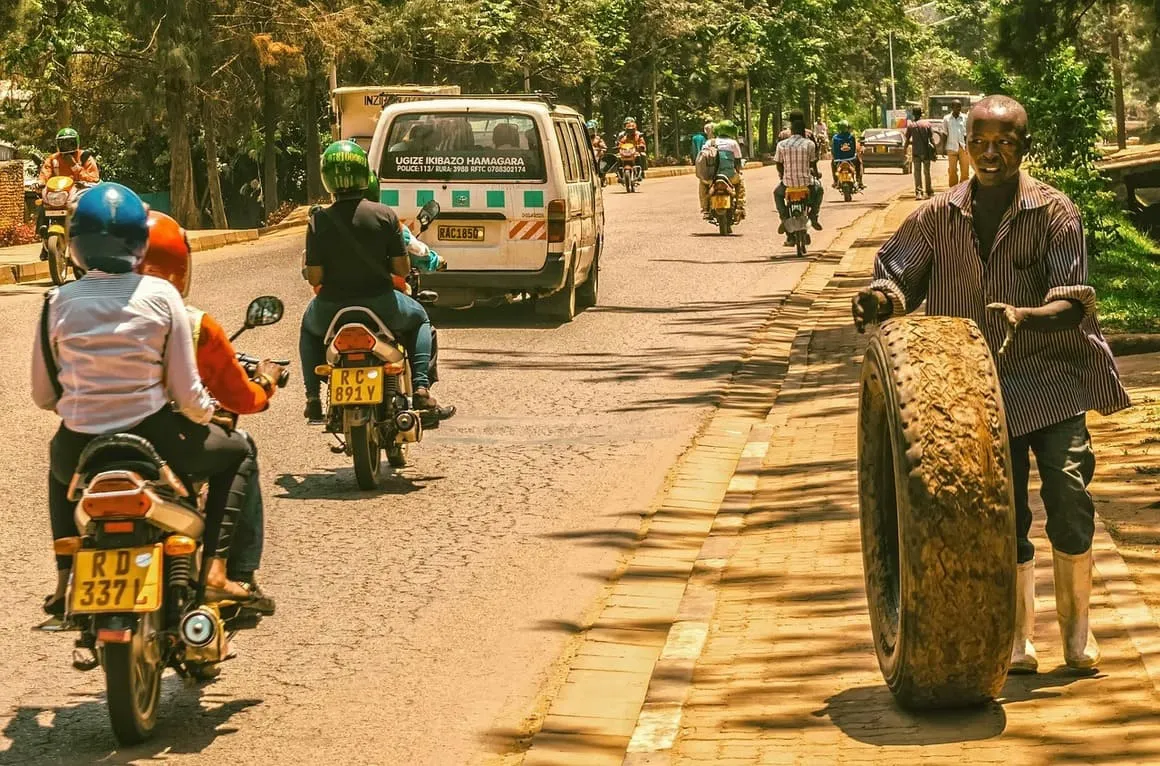
Even a drive down the street here is quite the experience…
Other Things to Do in Rwanda
There is more than just safari in Kigali, the capital of Rwanda. Known as the ‘Land of a Thousand Hills’, Rwanda’s capital has a thriving art scene surrounded by lush landscapes. One of the cleanest, safest, and most well-maintained African cities, Kigali fosters an unwavering commitment to environmental and social causes.
Whether you want to stay in Kimihurura and experience the lively heart of Kigali’s social scene, or in Kigarama, surrounded by lush hills and beautiful views… There are so many things to experience in this wonderful city, let alone in the entire, wonderful country. Checking out a walking tour is the best way to get to grips with the deep cultural and historical significance of this city.
While Rwanda is a relatively small country, there are some incredible sights to see, and the history of this land is turbulent. The local people all have stories to tell, so I suggest you take your time here. The Congo Nile Trail is a wonderful trail that winds through 140 miles of Rwandan shoreline around Lake Kivu.
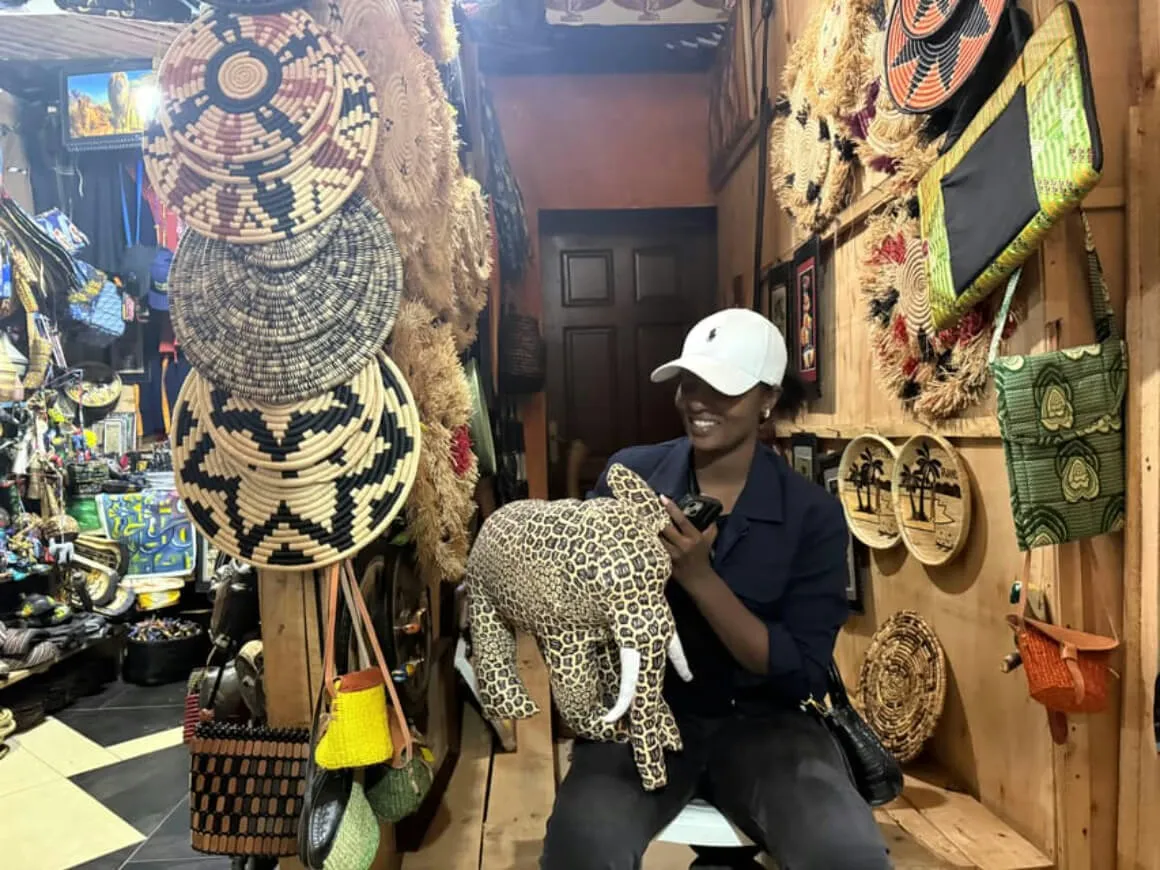
Sooo much window shopping to be done
Biking the Congo Nile Trail is a great way to get a taste of the smorgasbord of scenery Rwanda has to offer. Travelling by bike is the hottest new way to travel, and there are plenty of bike rentals in Rwanda if this is something that tickles your fancy.
When travelling to a third-world country, I personally believe it is your obligation to find out about the culture you’re visiting and leave it richer than you found it. Whether this is by volunteering, by donating to a local charity, or simply shopping locally, it’s a value of mine.
One of the many wonderful social enterprises in Rwanda is the Nyamirambo Women’s Centre. Women are still fighting for equality, let alone equity, in Africa, and this centre supports women’s livelihoods while educating visitors about traditional cooking and crafts.
The Best Time to Visit Rwanda
Rwanda is a hot country, but if you’re in Rwanda for a gorilla safari, remember you’ll be venturing into the mountains, which get cold. Packing a down jacket is a great idea, so you’re insulated without having to carry too much weight. With this in mind, the shoulder seasons always get you the best experience and value for money from any trip, in my opinion.
In Rwanda, visiting Volcanoes National Park in the wet season or the dry season offers different experiences. The dry season is generally better for gorilla trekking; a dry jungle is easier to climb through than a wet one! BUT, lush vegetation in the wet season and the striking contrast between the green and black of the silverbacks is a photographer’s wet dream (get it?).
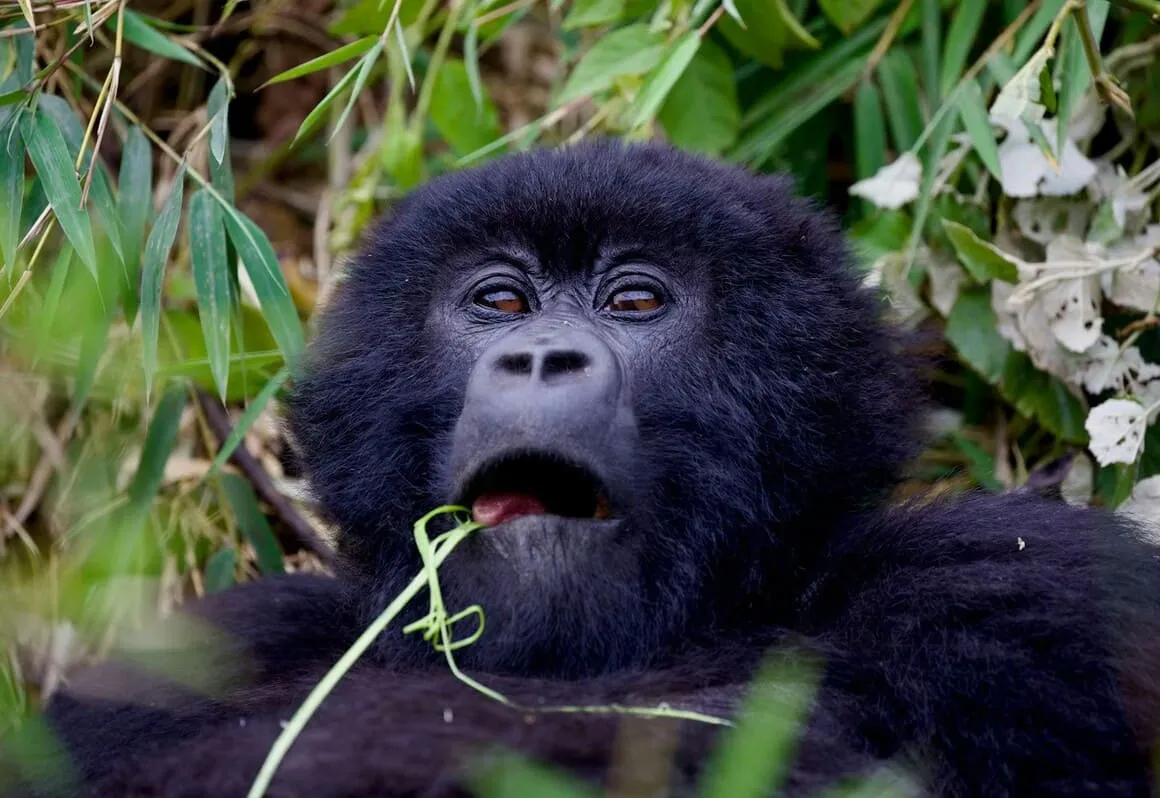
Rain or shine, these fellas are sure to strike a pose for ya
In terms of getting the best out of Volcanoes National Park weather while you’re in Rwanda, June-Mid-September and December-February are when it’s dry. It’ll be less muddy (and slippery) on your trek, and gorillas are easier to spot in the sparse, dry jungle. East Africa is a great place to visit in August, when it’s not too rainy but not completely drained of colour
The wet season is March-May and October-November, so there are smaller windows to get amongst. While there’s more rainfall, the payoff of this is that the landscape is lush and green, and some accommodations and tours can be more budget-friendly.
Where to Stay in Rwanda
I highly recommend staying in Kigali for a day or two, either side of your gorilla safari in Rwanda. Or maybe you’re going to continue on to do some Uganda gorilla tours, or you’re off to do more backpacking in Africa somewhere else entirely. Regardless, here are a couple of my top choices for accommodation on your gorilla trekking safari.
Kinigi Cottage
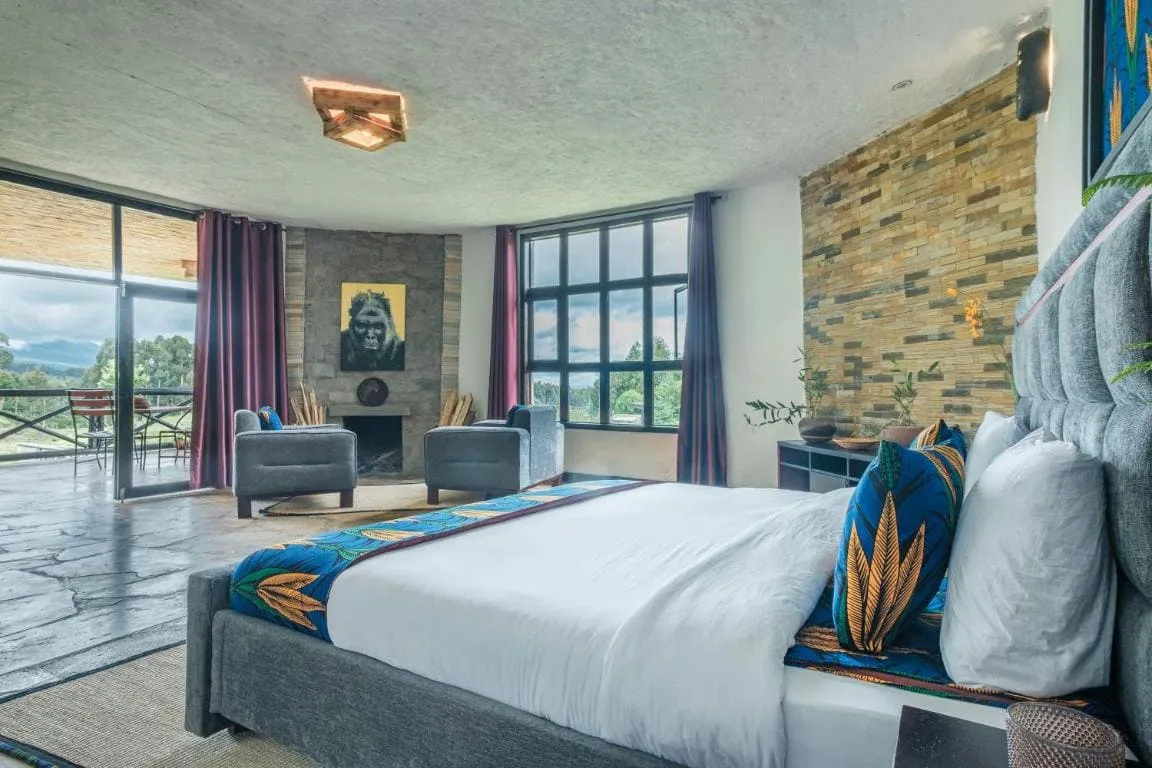
Kinigi Cottage has clean, modern rooms with touches like fresh flowers and a bathroom built from natural stone. There’s a living room with sofas by the fireplace, a good spot to relax after a day out. The cottage is just ten minutes from Volcanoes National Park, making it easy to get to the gorillas without rushing.
The standout here is the staff. Their hospitality feels genuine—friendly, helpful, and attentive without ever being over the top. Breakfast sets the tone for the day, with plenty of options that leave you ready to get out and explore.
Villa Asimba
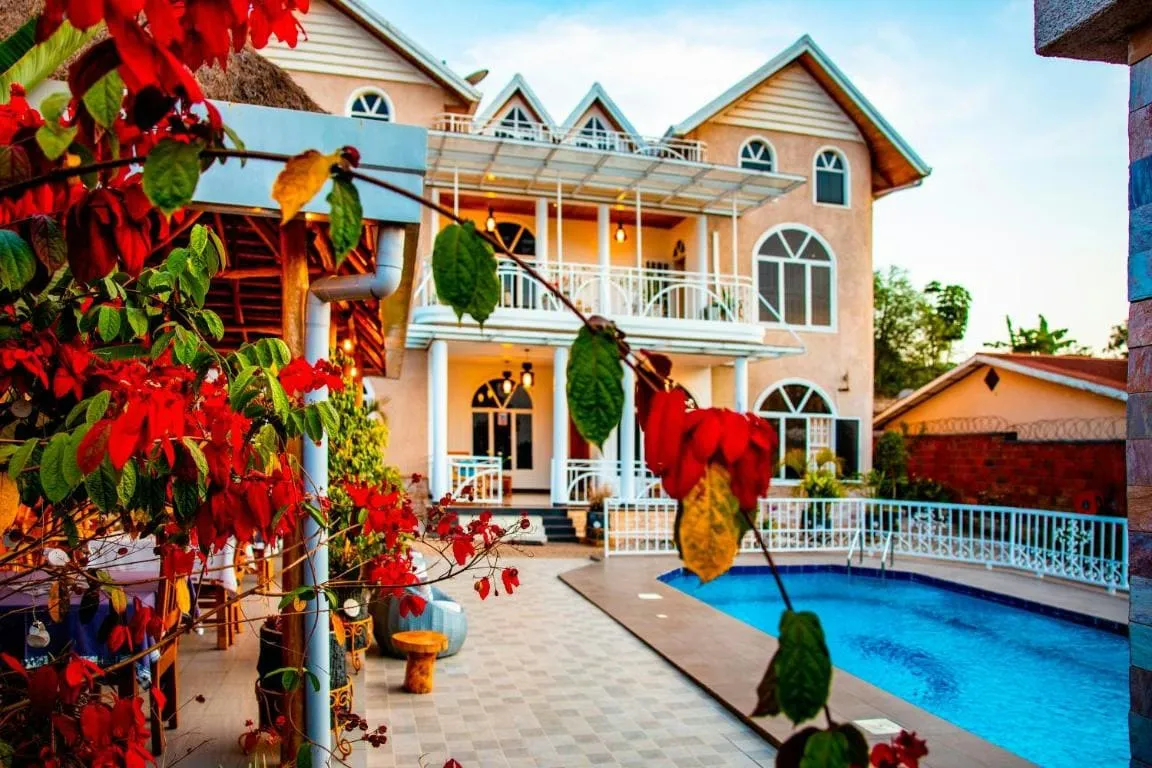
Villa Asimba is one of those exceptional places where the hospitality, food, and room aesthetic all hit the sweet spot. It feels homey and elegant, with tastefully decorated suites that reflect a mix of modern design and Rwandan arts and crafts.
The lush gardens and pool area are a big highlight. There are few better places to return to after a day of exploring Kigali.
Yambi Guesthouse and Hostel
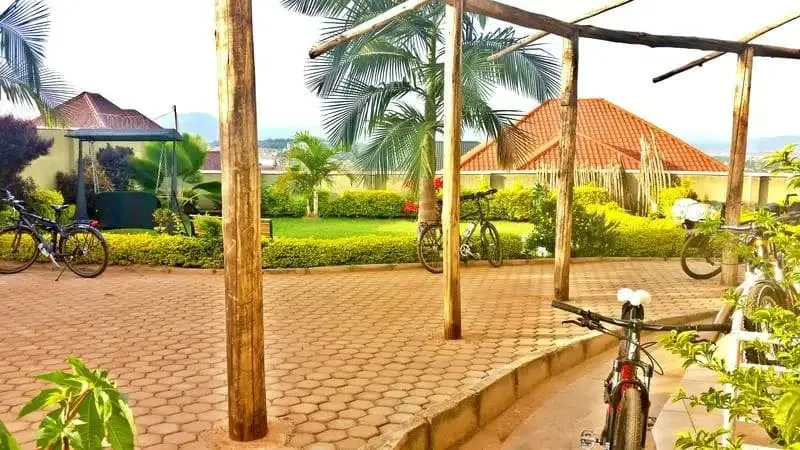
Yambi Guesthouse and Hostel is one of the only hostels in the city. And while it doesn’t have much competition, it truly is in a league of its own. It’s a boutique establishment that offers a uniquely Rwandan experience, all for a super low price per night.
Each of the 10 suites is individually designed, showcasing local artistry and craftsmanship. The space is colourful and vibrant and has a stunning garden that overlooks the lush hills of Rwanda.
FAQs About Gorilla Trekking in Rwanda
These are the most common questions asked about gorilla trekking safaris in Rwanda.
How Do I Get a Permit For Gorilla Trekking in Rwanda?
Gorilla trekking permits are issued by the government in Rwanda. Some tour companies will take care of this for you, and this is the easiest way to obtain a permit. To get your permit for your safari in Rwanda personally, head to the Volcanoes National Park Website for the Rwanda Development Board (RDB) contact information.
What About Uganda Gorilla Tours?
I’ve got a whole other article on this, lucky you! Regardless of where you see the gorillas, I’m sure you’ll have a memorable time with this life-changing experience.
Where should I Stay When I’m Gorilla Trekking in Rwanda?
Kigali offers a wide range of accommodations and is only a couple of hours’ drive from Volcanoes National Park, perfect for a day of gorilla trekking adventure. From luxury hotels like Bisabo Suites Apartment to boutique guesthouses like Villa Asimba to budget-friendly hostels and serviced apartments. There are also some eco-lodges around the more rural parts of the city for those looking for a more local experience.
Final Thoughts
Well, now you’re armed with all the information you need on gorilla trekking in Rwanda, go forth and book that trip! This is a once-in-a-lifetime trip; it’s the kind of experience that requires careful planning and is well worth it. Seeing these guys in real time is an incredible privilege. If you have the resources to experience it, then why wouldn’t you?
You can read, research, and watch all the films on gorillas, and you’ll have an iota of the understanding of just how magical these gorillas are. Choosing the best gorilla trekking company for you and your trip is the key to having the best time, so take care doing this. Also, make sure you know that you’ve got your gorilla trekking permit sorted for Rwanda and stay healthy and fit for your trip.
Experiencing a gorilla safari in Rwanda will change your life, so pack your things and get going!
Have you been trekking with gorillas in Rwanda? Do you think I’ve left out something crucial? I’d love to hear, either way. Let’s chat in the comments.
Catch you out there!